Hair growth is a journey influenced by genetics, lifestyle, and consistent care. While you can't change your DNA, you can significantly impact how fast and healthy your hair grows through targeted strategies. The best way to grow your hair isn’t about quick fixes or miracle products—it’s rooted in understanding scalp health, nutrition, and protective habits. This guide breaks down the most effective, evidence-based methods to support stronger, longer, and shinier hair.
Understanding the Hair Growth Cycle
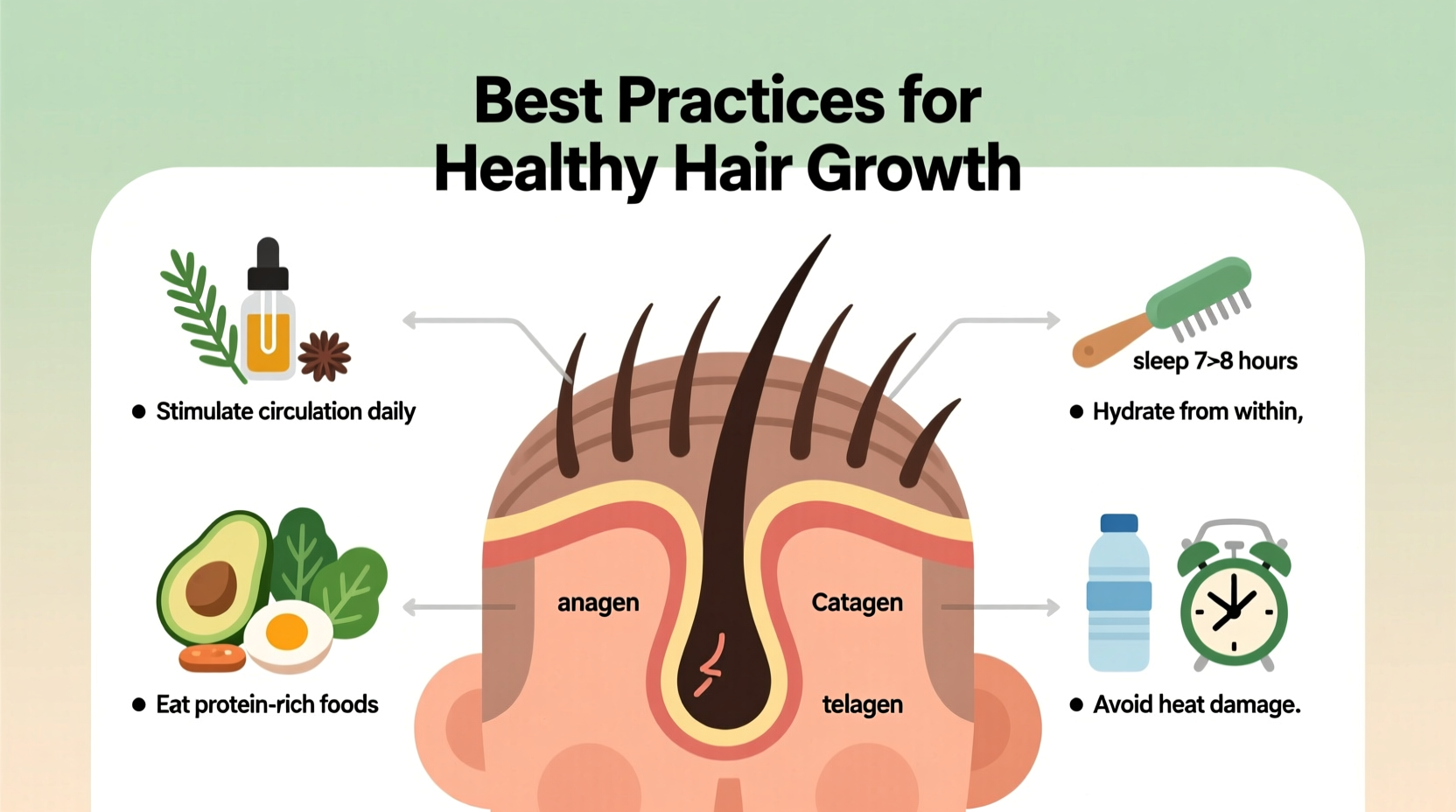
Hair doesn’t grow continuously. It follows a natural cycle made up of three phases: anagen (growth), catagen (transition), and telogen (resting). The anagen phase typically lasts 2–7 years, during which hair actively grows about half an inch per month. After this, strands enter a resting phase before shedding and restarting the cycle.
When people feel their hair isn’t growing, it’s often not because of slow growth—but due to breakage, shedding, or a shortened growth phase caused by stress, poor diet, or damage. Optimizing each stage of the cycle is key to seeing real progress.
“Hair growth starts at the root. If the follicle is unhealthy, no serum or supplement will override that.” — Dr. Lena Patel, Trichologist
Nutrition: Fuel Your Follicles from Within
Your scalp is an extension of your skin, and like all tissues, it depends on proper nutrition. Deficiencies in iron, vitamin D, biotin, zinc, and protein are commonly linked to thinning and stalled growth.
A balanced diet rich in whole foods supports keratin production—the protein that makes up hair. Focus on:
- Lean proteins: Eggs, chicken, fish, and legumes provide amino acids essential for hair structure.
- Omega-3 fatty acids: Found in salmon, chia seeds, and walnuts, they reduce inflammation and support scalp hydration.
- Iron and vitamin C: Pair spinach (iron) with citrus (vitamin C) to enhance absorption and prevent anemia-related hair loss.
- Biotin and B vitamins: Whole grains, nuts, and sweet potatoes contribute to cell turnover and follicle strength.
Scalp Care: The Foundation of Growth
A clean, stimulated scalp creates the ideal environment for hair to thrive. Dead skin cells, excess oil, and product buildup can clog follicles and hinder growth.
Gentle exfoliation once a week using a scalp scrub or soft brush helps remove debris. Massaging the scalp for 3–5 minutes daily increases blood circulation, delivering more oxygen and nutrients to hair roots.
Use lukewarm water when washing—hot water strips natural oils and causes dryness. Choose sulfate-free shampoos to maintain moisture balance, especially if you have curly or color-treated hair.
Step-by-Step Scalp Routine
- Rinse hair thoroughly with lukewarm water.
- Apply a small amount of gentle shampoo directly to the scalp.
- Massage in circular motions using fingertips (not nails).
- Rinse completely and follow with conditioner only on mid-lengths to ends.
- Once weekly, use a clarifying or exfoliating treatment to deep-clean follicles.
Protective Styling and Damage Prevention
Retaining length requires minimizing breakage. Heat styling, tight ponytails, and rough brushing weaken hair over time. The goal is to protect strands while promoting growth.
| Do | Avoid |
|---|---|
| Use silk or satin pillowcases to reduce friction | Cotton pillowcases that cause tangles and dryness |
| Sleep in loose braids or buns | Tight styles that pull on the hairline |
| Apply heat protectant before styling | Flat ironing or curling damp hair |
| Trim split ends every 8–12 weeks | Ignoring frayed ends that lead to further splitting |
Limit the use of flat irons, curling wands, and blow dryers. When used, keep heat settings below 350°F and alternate with air-drying days. Air drying is gentler but avoid rubbing hair vigorously with a towel—use a microfiber cloth or cotton T-shirt to blot moisture.
Evidence-Based Tools and Treatments
Not all hair growth tools are created equal. Some have clinical backing; others rely on anecdotal success. Here are the most effective options supported by research:
- Minoxidil (Rogaine): An FDA-approved topical treatment shown to extend the anagen phase. Results typically appear after 3–6 months of daily use.
- Low-Level Laser Therapy (LLLT): Devices like laser caps or combs stimulate cellular activity in follicles. Studies show improved density with consistent use over 12–24 weeks.
- Derma Rolling (Microneedling): Using a 0.5mm roller on the scalp 1–2 times per week may enhance absorption of topical treatments and trigger collagen production.
Mini Case Study: Realistic Progress Over Time
Maya, 32, noticed her hair wasn’t growing past shoulder length despite years of trying. After consulting a dermatologist, she discovered mild iron deficiency and was advised to adjust her diet and start a nightly scalp massage routine. She switched to a silk pillowcase, reduced heat styling, and began using minoxidil twice daily.
After four months, she observed less shedding and stronger strands. By month six, her hair had grown nearly two inches with minimal breakage. “I didn’t expect much,” she said, “but consistency made all the difference.”
Daily Hair Growth Checklist
To simplify implementation, here’s a practical checklist you can follow daily or weekly:
- ✅ Gently massage scalp for 3–5 minutes (morning or night)
- ✅ Drink at least 8 glasses of water for hydration
- ✅ Eat one serving of protein-rich food
- ✅ Use a wide-tooth comb on wet hair to prevent breakage
- ✅ Apply leave-in conditioner or oil to ends 2–3 times per week
- ✅ Avoid tight hairstyles that stress the roots
- ✅ Weekly: Clarify scalp or use LLLT device as directed
Frequently Asked Questions
Does cutting hair make it grow faster?
No, trimming does not affect the growth rate at the root. However, regular trims prevent split ends from traveling up the shaft, which reduces breakage and helps retain length over time.
How long does it take to see results from hair growth routines?
Visible changes typically take 3–6 months. Hair grows slowly, and improvements in texture, thickness, and reduced shedding are early signs that your regimen is working.
Can stress really cause hair loss?
Yes. Severe stress can trigger telogen effluvium, a condition where large numbers of hairs enter the resting phase and shed prematurely. Managing stress through sleep, exercise, and mindfulness supports healthier hair cycles.
Final Thoughts: Consistency Is Key
The best way to grow your hair lies in consistent, holistic care—not overnight solutions. There’s no single magic product or secret serum that overrides biology. Instead, sustainable growth comes from daily choices: nourishing your body, treating your scalp with care, protecting strands from damage, and using tools backed by science.
Progress may be slow, but it’s measurable. Track your journey with monthly photos and notes on texture, shedding, and manageability. Small wins compound into visible transformation over time.
🚀 Start today: Pick one habit from this guide—whether it’s a scalp massage, dietary tweak, or switching to a silk pillowcase—and commit to it for 30 days. Real growth begins with real action.








