
Prominent hand veins—those raised, clearly visible blue or greenish lines snaking across the back of the hands—are a common sight, especially as people age. While often harmless, their sudden appearance or dramatic visibility can raise questions about underlying health, lifestyle factors, or natural physiological changes. For some, visible hand veins are a badge of fitness; for others, a source of self-consciousness. Understanding why these veins become so noticeable is key to determining whether they signal something benign or warrant medical attention.
Anatomy of Hand Veins
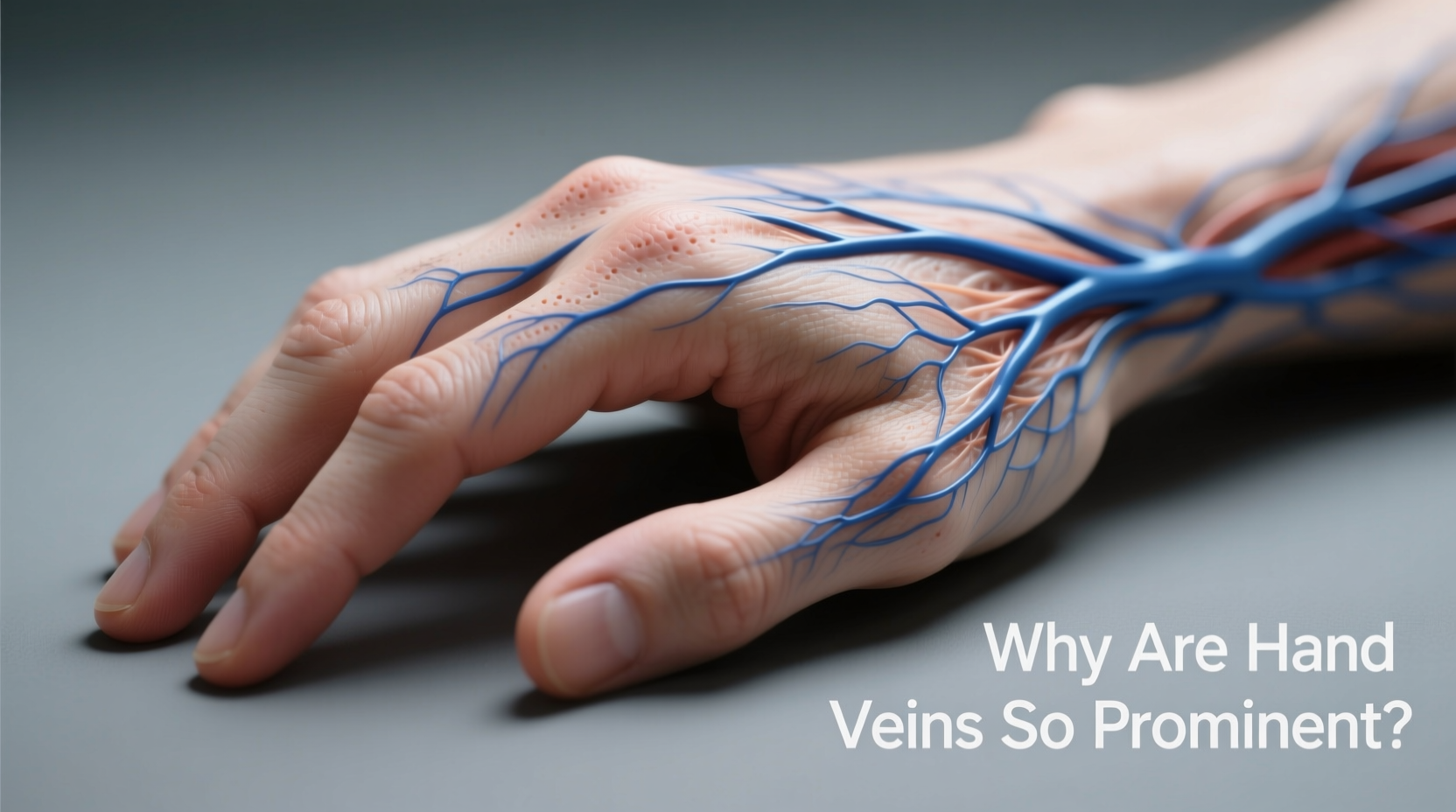
The hands contain a complex network of superficial and deep veins responsible for returning deoxygenated blood to the heart. The most visible ones lie just beneath the skin’s surface—part of the superficial venous system. These include the cephalic vein on the thumb side and the basilic vein on the pinky side, both connecting through a web of smaller vessels across the dorsum (back) of the hand.
Unlike arteries, veins have thinner walls and rely on surrounding muscles and one-way valves to push blood upward against gravity. Their visibility depends on several structural and environmental factors, including skin thickness, body fat percentage, hydration levels, and vascular tone.
“Vein prominence isn’t inherently abnormal. In many cases, it reflects normal anatomical variation combined with external influences like aging or physical conditioning.” — Dr. Lena Torres, Vascular Health Specialist
Common Causes of Prominent Hand Veins
Several interrelated factors contribute to the increasing visibility of hand veins. Most are non-pathological, but understanding each helps differentiate between natural change and potential concern.
1. Aging and Skin Thinning
As we age, the skin loses collagen and elastin, becoming thinner and more translucent. Subcutaneous fat also diminishes, particularly on the backs of the hands. With less tissue to cushion and obscure veins, they naturally appear larger and more pronounced. This process typically begins in the fourth decade of life and accelerates over time.
2. Low Body Fat Percentage
Individuals with lower body fat—especially athletes, bodybuilders, or those who’ve recently lost weight—often notice more prominent veins not only in the hands but throughout the body. Reduced adipose tissue means fewer layers between veins and the skin surface, making vascular structures more apparent.
Tip: If you're lean and active, prominent hand veins are likely a normal reflection of your physique, not a medical issue.3. Increased Blood Flow and Physical Activity
Exercise increases cardiac output and dilates blood vessels to meet muscular demand. During and after workouts, veins may bulge temporarily due to elevated venous pressure and engorgement. Over time, regular training enhances vascular efficiency, which can lead to permanently more visible vasculature—even at rest.
4. Genetics and Skin Tone
Genetics play a major role in vein visibility. Some people inherit thinner skin or more superficial venous patterns. Those with fair or light skin tones tend to show veins more clearly than individuals with darker pigmentation, simply because contrast is greater.
5. Temperature and Environmental Exposure
Heat causes blood vessels to dilate, increasing blood volume in peripheral areas like the hands. Conversely, cold environments constrict vessels but may make them more rigid and defined temporarily. Frequent exposure to sun can also degrade skin elasticity, further accentuating veins.
When Prominent Veins May Signal a Concern
While most cases are cosmetic, certain changes should prompt evaluation by a healthcare provider. Not all visible veins are equal—appearance, symmetry, pain, and progression matter.
| Normal Signs | Potential Warning Signs |
|---|---|
| Symmetrical appearance | Sudden onset in one hand only |
| No pain or discomfort | Swelling, redness, warmth |
| Gradual development over years | Rapid increase in size or number |
| Soft to touch, compressible | Hard, cord-like, tender |
| Family history of similar appearance | History of clotting disorders or trauma |
Conditions such as superficial thrombophlebitis (inflammation with clot formation), deep vein thrombosis (rare in hands but possible post-injury), or vascular tumors may mimic benign vein prominence. Trauma from IV insertions, repetitive strain, or surgery can also alter venous flow and cause localized dilation.
Managing Appearance and Supporting Vascular Health
If prominent hand veins cause aesthetic concern, options exist to minimize their look without compromising health. However, interventions should be considered carefully, especially since hand veins are often used for medical access.
Non-Invasive Approaches
- Maintain skin hydration: Use moisturizers rich in hyaluronic acid or ceramides to improve dermal fullness.
- Sun protection: Apply broad-spectrum SPF daily to slow photoaging and preserve skin integrity.
- Hand exercises: Gentle movements promote circulation without excessive vein strain.
- Stay hydrated: Proper fluid balance supports vascular tone and reduces temporary engorgement.
Medical and Cosmetic Options
Dermatologists and plastic surgeons offer treatments aimed at improving hand aesthetics:
- Filler injections: Hyaluronic acid or calcium hydroxylapatite fillers restore volume under the skin, camouflaging veins.
- Laser therapy: Targets smaller feeder veins, though results vary and multiple sessions may be needed.
- Sclerotherapy: Rarely used in hands due to risk of tissue damage, but sometimes considered for isolated problematic veins.
Real-Life Example: A Fitness Enthusiast’s Experience
Mark, a 38-year-old endurance cyclist, noticed his hand veins becoming increasingly prominent over two years of intense training. Initially concerned, he consulted his physician after a colleague remarked on their “rope-like” appearance. After examination and ultrasound, Mark was reassured that his veins were healthy—just highly efficient due to increased cardiovascular demand. His low body fat (12%) and high muscle mass contributed significantly. He adjusted his grip technique during long rides to reduce hand pressure and began using hand cream regularly to maintain skin resilience. Today, he views the veins as a sign of his dedication rather than a flaw.
Frequently Asked Questions
Are visible hand veins a sign of dehydration?
Not directly. While dehydration can make veins temporarily harder to access or more collapsed, it doesn’t cause long-term prominence. In fact, well-hydrated individuals often have better vein definition due to optimal blood volume and flow.
Can I prevent my hand veins from getting more noticeable?
You can't stop aging or genetics, but you can slow the rate of change. Protecting your skin from UV damage, maintaining moderate hydration and body fat, and avoiding excessive hand strain may help delay excessive visibility.
Should I worry if only one hand has prominent veins?
Asymmetry warrants attention, especially if recent. It could indicate localized inflammation, prior injury, or venous obstruction. See a doctor if accompanied by swelling, discoloration, or pain.
Action Plan: What You Can Do Today
- Evaluate your hand vein appearance: gradual vs. sudden, symmetrical vs. one-sided.
- Assess lifestyle factors: fitness level, body composition, sun exposure habits.
- Begin a simple skincare routine for hands using moisturizer and sunscreen.
- Monitor for changes in texture, pain, or swelling.
- Consult a healthcare provider if you notice rapid changes or unilateral development.
Conclusion
Visible hand veins are usually a normal part of aging, fitness, or genetic makeup. They reflect the dynamic relationship between skin, fat, and vascular function. While they may draw attention, most do not pose a health threat. By understanding the causes and knowing when to seek advice, you can approach this common phenomenon with confidence—not concern. Whether you embrace them as signs of vitality or explore ways to soften their appearance, informed choices lead to better outcomes.
💬 Have questions about your hand veins or experiences with treatment? Share your thoughts below—your story might help someone else feel more informed and less alone.








