Kidney stones are one of the most common and painful urological conditions affecting millions of people worldwide. While they may seem to appear suddenly—often with severe pain—their formation is usually a gradual process influenced by hydration, diet, genetics, and underlying health conditions. Understanding how long it takes for kidney stones to develop and what factors accelerate or prevent their growth is essential for effective prevention and long-term kidney health.
The Process of Kidney Stone Formation
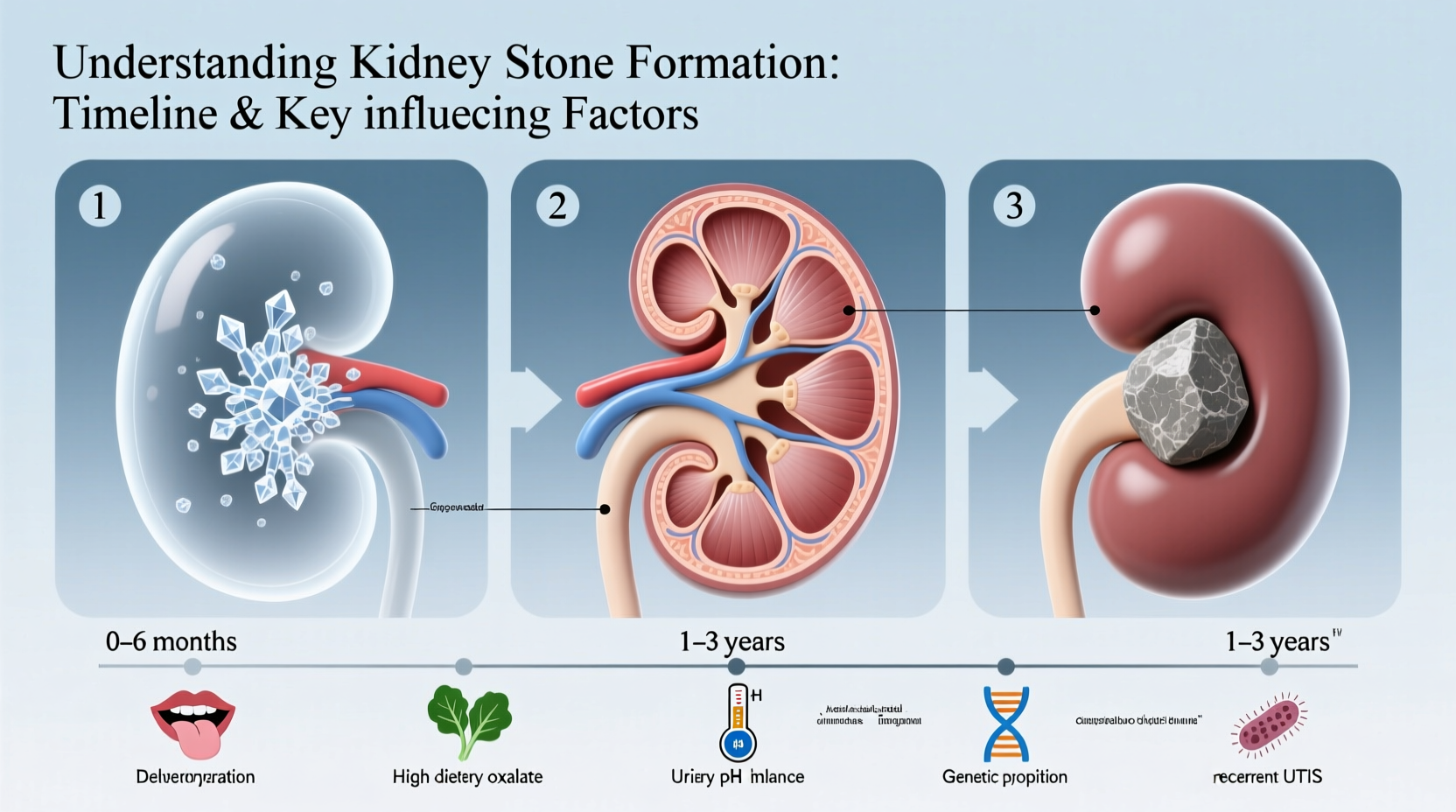
Kidney stones begin when certain minerals and salts in the urine become highly concentrated. Under normal conditions, these substances dissolve easily and pass through the urinary tract without issue. However, when urine becomes too concentrated, crystals can start to form. These crystals may stick together, gradually accumulating into solid masses known as calculi—or more commonly, kidney stones.
The most common types of kidney stones include calcium oxalate (about 75% of cases), calcium phosphate, uric acid, struvite (often linked to infections), and cystine (rare, genetic). The type of stone formed depends on the chemical composition of the urine and the individual’s metabolic profile.
Crystallization typically starts in the renal tubules or collecting ducts of the kidneys. Over time, if conditions persist—such as low urine volume or high levels of stone-forming substances—the crystals grow and aggregate. Some remain small and pass unnoticed; others enlarge and eventually obstruct the urinary tract, triggering pain and complications.
Tip: Drinking enough water daily helps dilute urine and reduces the chance of crystal formation.How Long Does It Take for a Kidney Stone to Form?
There is no fixed timeline for kidney stone development. In some individuals, stones can begin forming within weeks under extreme dehydration or dietary imbalance. For others, it may take months or even years. Most stones likely develop over several months, progressing from microscopic crystals to stones large enough to cause symptoms—typically 3 millimeters or more.
A 2021 study published in *Urolithiasis* followed patients with recurrent stones and found that detectable growth from initial crystal deposits to symptomatic stones occurred within 6 to 12 months in high-risk individuals. However, many people harbor \"silent\" stones—detected incidentally during imaging for other reasons—that may have been present for years without causing issues.
The speed of formation depends heavily on risk factors such as fluid intake, diet, medical history, and anatomical variations in the urinary tract. Once a person has had one stone, the recurrence rate is approximately 40–50% within five years without preventive measures.
Timeline of Stone Development (General Estimate)
- Days to Weeks: Initial supersaturation and nucleation (crystal formation) begins under dehydrating conditions.
- Weeks to Months: Crystals aggregate and grow into visible micro-stones.
- 3–12 Months: Stones reach sizes of 3–6 mm, potentially becoming symptomatic.
- Years: Larger stones (>1 cm) may form slowly, especially in cases of chronic infection or metabolic disorders.
Key Factors That Influence Kidney Stone Development
Several interrelated factors determine whether someone develops kidney stones and how quickly they progress. These range from lifestyle habits to genetic predispositions.
1. Hydration Levels
Low fluid intake is the single most significant modifiable risk factor. Concentrated urine increases the likelihood of mineral crystallization. People who produce less than 1 liter of urine per day are at substantially higher risk compared to those producing 2 liters or more.
2. Diet and Nutrition
Diet plays a central role. High intake of sodium, animal protein, oxalate-rich foods (like spinach, nuts, and chocolate), and added sugars (especially fructose) all promote stone formation. Conversely, diets rich in citrate (found in citrus fruits), potassium, and moderate calcium from food sources help inhibit stone growth.
3. Obesity and Metabolic Syndrome
Obesity alters urine chemistry, increasing acidity and excretion of calcium, oxalate, and uric acid. Insulin resistance—a hallmark of metabolic syndrome—is also linked to lower urinary pH, which favors uric acid stone formation.
4. Medical Conditions
Certain diseases significantly elevate risk:
- Hyperparathyroidism: Causes elevated blood and urine calcium.
- Chronic UTIs: Can lead to struvite stones.
- Gout: Associated with uric acid stones.
- Inflammatory bowel disease: Increases oxalate absorption (enteric hyperoxaluria).
5. Genetics and Family History
Having a first-degree relative with kidney stones doubles your risk. Some rare genetic disorders—like primary hyperoxaluria or cystinuria—cause early and aggressive stone formation.
6. Medications and Supplements
Excessive vitamin C supplements (which metabolize to oxalate), calcium-based antacids, certain diuretics, and some HIV medications can increase susceptibility.
“Kidney stone formation isn’t random—it’s a sign of systemic imbalance. We now view recurrent stones as a chronic metabolic condition, not just an acute event.” — Dr. Naim Maalouf, Associate Professor of Internal Medicine, UT Southwestern Medical Center
Prevention Checklist: Reduce Your Risk of Kidney Stones
Checklist: Follow these steps to minimize your risk of developing kidney stones:- Drink at least 2.5–3 liters of fluids daily (mostly water).
- Limitsodium intake to under 2,300 mg per day.
- Eat calcium-rich foods (e.g., dairy, kale), but avoid high-dose calcium supplements unless prescribed.
- Reduce consumption of red meat, organ meats, and shellfish (high in purines).
- Avoid sugary beverages, especially those with high-fructose corn syrup.
- Eat more fruits and vegetables rich in citrate, like lemons and oranges.
- Get tested if you’ve had a stone—know your stone type and underlying causes.
- Maintain a healthy weight through balanced nutrition and regular activity.
Real-Life Example: A Preventable Pattern
Consider Mark, a 42-year-old software engineer with a history of two kidney stones in three years. He worked long hours, drank minimal water, relied on fast food, and consumed multiple energy drinks daily. After his second emergency room visit, he underwent metabolic testing. Results showed hypercalciuria and low urinary citrate.
With guidance from a nephrologist, Mark increased his water intake, switched to homemade meals lower in salt and animal protein, and started drinking lemon water daily. Within a year, follow-up imaging showed no new stones, and his urine chemistry improved significantly. His case illustrates how lifestyle changes—even after stone formation begins—can halt progression.
Do’s and Don’ts: Managing Stone Risk
| Do’s | Don’ts |
|---|---|
| Do drink plenty of water throughout the day. | Don’t rely on thirst as your only cue to drink. |
| Do consume dietary calcium from whole foods. | Don’t take calcium supplements without medical advice. |
| Do limit processed and salty foods. | Don’t consume excessive amounts of spinach, beets, or nuts without balancing oxalate intake. |
| Do consider lemon juice or citrate supplements if recommended. | Don’t ignore recurrent symptoms or dismiss them as back pain. |
Frequently Asked Questions
Can kidney stones form in just a few days?
While full-sized, symptomatic stones rarely form in just a few days, the initial crystallization process can begin rapidly under conditions of severe dehydration or sudden dietary changes. However, noticeable stone growth typically takes weeks to months.
Are all kidney stones painful?
No. Many kidney stones are asymptomatic, especially when small or not obstructing the urinary tract. Pain usually occurs when a stone moves into the ureter and causes blockage or irritation, leading to flank pain, nausea, or blood in the urine.
Does drinking lemon water really help prevent stones?
Yes. Lemon juice is rich in natural citrate, which binds to calcium in the urine and inhibits crystal formation. Regular consumption of diluted lemon juice can increase urinary citrate levels, reducing the risk of calcium-based stones.
Take Control of Your Kidney Health
Kidney stone formation is not inevitable. While some risk factors like genetics cannot be changed, the majority of influences—hydration, diet, weight, and medication use—are within your control. Recognizing that stones often develop silently over months allows you to act early. Simple, consistent choices such as drinking more water, eating balanced meals, and seeking evaluation after a first stone can dramatically reduce future risk.
💬 Your kidneys work silently every day—don’t wait for pain to start protecting them. Share this article with someone who’s had a kidney stone, or leave a comment with your prevention tips to help others stay stone-free.








