For fans of convenient yet indulgent breakfast treats, Trader Joe’s Cinnamon Rolls have become a cult favorite among grocery shoppers seeking bakery-quality pastries without the effort. These frozen rolls promise soft, pillowy dough swirled with cinnamon-sugar filling and topped with a sweet vanilla icing—ready in under 30 minutes. But beyond convenience, consumers increasingly want to understand what they’re eating: How do these rolls taste compared to homemade or other brands? What are their nutritional implications? Are there hidden sugars or preservatives? This comprehensive guide dissects the sensory experience, ingredient composition, and dietary profile of Trader Joe’s Cinnamon Rolls, offering practical insights for home bakers, health-conscious eaters, and food enthusiasts alike.
Definition & Overview
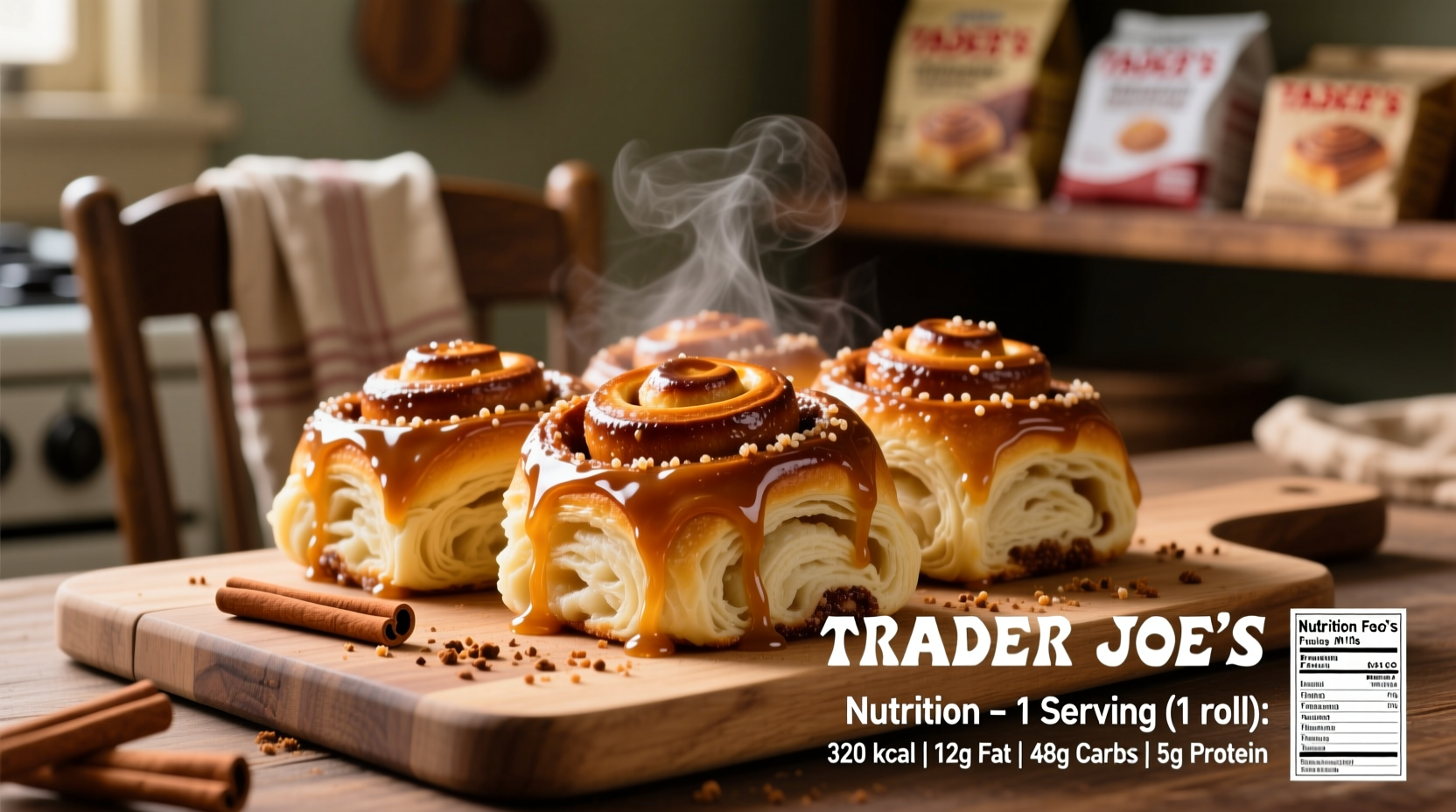
Trader Joe’s Cinnamon Rolls are a pre-portioned, frozen pastry product sold in packs of four. Each roll is designed to rise slightly during thawing and baking, then expand into a tender, aromatic bun with a generous spiral of cinnamon-sugar filling. After baking, a sealed packet of creamy vanilla icing is applied warm, mimicking the glaze found on classic diner-style cinnamon rolls.
These rolls fall under the category of frozen baked goods, specifically within the subcategory of quick-service sweet pastries. They are produced by a third-party manufacturer for private-label sale exclusively at Trader Joe’s stores across the United States. While not marketed as artisanal or organic, they occupy a middle ground between mass-market grocery store rolls (like Pillsbury) and premium bakery versions (such as Cinnabon), positioning themselves as affordable luxury—delicious enough to feel special, but priced accessibly at around $5–$6 per pack.
The appeal lies in their balance of texture, sweetness, and ease. Unlike raw dough that requires kneading and proofing, these rolls skip fermentation steps entirely, relying instead on chemical leaveners and partially pre-proofed dough technology to deliver consistent results with minimal user input. This makes them ideal for weekend brunches, last-minute guests, or comfort-food cravings when time—or skill—is limited.
Key Characteristics
| Attribute | Description |
|---|---|
| Flavor Profile | Balanced sweetness with prominent notes of ground cinnamon, buttery richness, and a mild vanilla finish from the icing. |
| Aroma | Warm, spiced scent upon baking; reminiscent of fresh-baked bread with top notes of brown sugar and melted butter. |
| Texture | Soft, slightly springy crumb with a delicate pull; outer edges may crisp slightly if overbaked. |
| Color/Form | Golden-brown exterior after baking; coiled spiral shape approximately 3.5 inches in diameter. |
| Sweetness Level | High—due to both internal filling and external icing—but not cloying when served moderately. |
| Culinary Function | Breakfast item, dessert option, or snack; functions as standalone treat or base for creative adaptations. |
| Shelf Life (Frozen) | Up to 6 months unopened; best quality within 2–3 months of purchase. |
| Allergens | Contains wheat, milk, eggs, soy; processed in facility with tree nuts. |
Practical Usage
To prepare Trader Joe’s Cinnamon Rolls, remove the desired number from the freezer and place them in a greased or parchment-lined baking dish. Allow them to thaw and rise at room temperature for 30–60 minutes—this step significantly improves texture versus baking straight from frozen. Bake at 350°F (175°C) for 18–22 minutes, or until golden brown. Warm the included icing packet by submerging it in hot water for 15 seconds, then snip off one corner and drizzle generously over the hot rolls.
In home kitchens, these rolls serve multiple purposes beyond simple reheating. Their neutral-enough base allows for customization:
- Breakfast Upgrade: Top with toasted chopped pecans or walnuts for added crunch and protein.
- Dessert Transformation: Serve alongside a scoop of vanilla ice cream and a sprinkle of sea salt for a deconstructed à la mode effect.
- Savory-Sweet Fusion: Crumble cooled rolls into a bread pudding mix with cream, eggs, and extra cinnamon for a next-day repurpose.
- Kid-Friendly Meals: Cut into bite-sized pieces and serve as finger food at children’s parties or school events.
Professionally, chefs have been known to use similar commercial frozen rolls as a time-saving shortcut in café menus. Some brunch spots reheat and plate them with house-made compotes or whipped mascarpone to elevate perceived value. Others infuse the icing with espresso or citrus zest to create signature variations without altering core prep time.
Pro Tip: For improved browning and moisture retention, cover the pan loosely with foil after the first 10 minutes of baking. Remove foil for the final 8–10 minutes to allow crust development.
Variants & Types
While the standard Original Cinnamon Roll with Vanilla Icing remains the flagship product, Trader Joe’s has introduced seasonal and regional variants over the years. These include:
- Maple Glazed Cinnamon Rolls: Features a maple-forward icing instead of vanilla, appealing to those who prefer autumnal flavors. Slightly less sweet overall, with subtle woody undertones.
- Mini Cinnamon Rolls: Smaller versions (about 1.5 inches wide), ideal for parties or portion control. Sold in larger quantities (e.g., 12–16 per pack). Require reduced baking time (10–14 minutes).
- Limited-Edition Holiday Versions: Occasionally released during winter holidays with festive sprinkles or spiced icing (e.g., eggnog-flavored glaze). Often packaged in themed boxes.
It’s important to note that availability varies by location and season. The original full-size version remains the most consistently stocked and widely reviewed.
Each variant maintains the same foundational dough and preparation method, ensuring familiarity across types. However, substitutions should be made thoughtfully—for instance, using mini rolls in place of standard ones in recipes may require adjusting bake times and icing distribution.
Comparison with Similar Ingredients
Consumers often compare Trader Joe’s Cinnamon Rolls to other commercially available options. Below is a comparative overview highlighting key differences:
| Feature | Trader Joe’s | Pillsbury (Grocery Store) | Cinnabon (Commercial Bakery) | Homemade |
|---|---|---|---|---|
| Price per Roll | $1.25–$1.50 | $0.90–$1.10 | $3.50+ | $0.75–$1.20 (variable) |
| Texture | Soft, slightly chewy | Denser, more uniform | Very soft, almost cake-like | Variable (depends on recipe) |
| Sweetness | Moderate-high | High | Very high | Adjustable |
| Ingredients Quality | No high-fructose corn syrup; uses real butter | Contains HFCS, artificial flavors | Proprietary blend; industrial ingredients | Controlled by baker |
| Preparation Time | ~30 min active + rise | ~20 min total | N/A (pre-made) | 2–4 hours (including rise) |
| Dietary Flexibility | Limited (no gluten-free/vegan) | Limited | Limited | Full control |
Notably, Trader Joe’s distinguishes itself by avoiding high-fructose corn syrup—a common criticism of mainstream brands like Pillsbury—and opting for simpler ingredient lists. While still processed, the formulation leans closer to “clean label” expectations than many competitors. Compared to Cinnabon, the TJ’s version is less intensely sweet and lacks the heavy cream cheese frosting, making it more breakfast-appropriate rather than dessert-only.
Practical Tips & FAQs
Are Trader Joe’s Cinnamon Rolls vegan?
No. They contain milk, butter, egg whites, and whey—all animal-derived ingredients. There is currently no plant-based alternative offered under the Trader Joe’s brand.
Can I make them healthier?
Yes, with modifications. Consider applying only half the icing packet to reduce sugar intake. Alternatively, substitute the icing with Greek yogurt mixed with cinnamon and a touch of honey. You can also toast individual slices in a toaster oven and pair with fruit to balance macronutrients.
How should I store leftovers?
Cooled rolls can be stored in an airtight container at room temperature for up to 2 days or refrigerated for up to 5 days. Reheat in a 300°F oven for 5–7 minutes or microwave briefly (10–15 seconds) with a damp paper towel to retain moisture.
Can I refreeze them after thawing?
Not recommended. Once thawed, the yeast and leavening agents begin activating, and refreezing compromises texture and rise potential. Freeze only unopened packages; take out only what you plan to bake.
What are the main sources of sugar?
The primary sugars come from granulated sugar in the filling, brown sugar, and dextrose in the dough. The icing contains powdered sugar, corn syrup, and milk solids. One roll with full icing delivers approximately 32 grams of sugar—nearly the daily limit recommended by the American Heart Association for women.
Are they safe for kids?
Yes, though due to high sugar content, moderation is advised. Many parents reserve them for special occasions or weekends. The soft texture also makes them suitable for younger children who can handle chewy foods.
Do they contain trans fats?
No. According to the nutrition label, they contain 0 grams of trans fat per serving. However, they do include partially hydrogenated oils in trace amounts below FDA reporting thresholds. Always check the current label, as formulations may change.
Can I bake them in an air fryer?
Yes—with caution. Preheat the air fryer to 320°F. Place one roll in the basket (do not overcrowd), and bake for 8–10 minutes, checking frequently. Higher heat settings may cause burning due to concentrated airflow. Best for single servings.
Storage Checklist:
✅ Keep frozen until ready to use
✅ Label with purchase date
✅ Use within 3 months for peak freshness
✅ Thaw in baking pan—not on counter uncovered
✅ Never refreeze once thawed
“The beauty of a product like Trader Joe’s Cinnamon Roll isn’t perfection—it’s reliability. It delivers a consistent, satisfying experience that bridges the gap between homemade aspiration and real-life constraints.” — Chef Elena Martinez, culinary instructor at the San Francisco Cooking School
Nutritional Breakdown (Per Roll + Full Icing)
Understanding the nutritional content is essential for informed consumption. Here's a detailed breakdown based on the official packaging information:
- Calories: 370
- Total Fat: 14g (22% DV)
- Saturated Fat: 6g (30% DV)
- Trans Fat: 0g
- Cholesterol: 40mg (13% DV)
- Sodium: 330mg (14% DV)
- Total Carbohydrates: 57g (21% DV)
- Dietary Fiber: 1g (4% DV)
- Sugars: 32g (includes 30g added sugars)
- Protein: 5g
Vitamin D: 2% DV | Calcium: 8% DV | Iron: 15% DV | Potassium: 4% DV
This places one fully-iced roll at roughly 18–20% of a typical 2,000-calorie daily intake. While not inherently unhealthy, regular consumption without dietary balancing could contribute to excess calorie, sugar, and saturated fat intake—particularly concerning for individuals managing diabetes, heart health, or weight.
From a macronutrient standpoint, these rolls are carbohydrate-dominant with moderate fat and low fiber. Pairing them with protein-rich sides—such as scrambled eggs, Greek yogurt, or cottage cheese—can help stabilize blood sugar response and increase satiety.
Summary & Key Takeaways
Trader Joe’s Cinnamon Rolls offer a compelling combination of flavor, convenience, and relative ingredient quality within the frozen pastry market. They deliver a warm, aromatic, bakery-style experience with minimal effort, making them a staple in many households for quick treats or weekend indulgences.
Key points to remember:
- The rolls feature a soft, buttery texture with a well-balanced cinnamon-sugar swirl and a sweet vanilla icing that enhances but doesn’t overwhelm.
- They avoid high-fructose corn syrup and artificial colors, setting them apart from many national brands.
- Nutritionally, they are high in sugar and calories—best enjoyed occasionally or with portion adjustments.
- Variants exist but are seasonal; the original version remains the most accessible and reliable.
- Customization options—from toppings to repurposing leftovers—expand their culinary utility beyond basic reheating.
- Proper storage and baking techniques preserve quality and optimize results.
Final Thought: Treat Trader Joe’s Cinnamon Rolls not as an everyday staple, but as a smart shortcut for moments when comfort matters more than precision. With mindful usage, they can be part of a balanced, joyful kitchen repertoire.









