
Sleep is one of the most foundational elements of a toddler’s development. At around two years old, many parents notice a sudden shift in their child’s sleep patterns—bedtime battles, frequent night wakings, or early morning risings that weren’t an issue before. This phenomenon, known as sleep regression, can be frustrating and exhausting for caregivers. But understanding why it occurs and how to respond with consistency and compassion can make all the difference.
Unlike newborn sleep challenges, which are often tied to biological immaturity, sleep regression at age two stems from developmental leaps, emotional growth, and newfound independence. Recognizing this phase as temporary—and normal—is the first step toward navigating it successfully.
What Is Sleep Regression at Age 2?
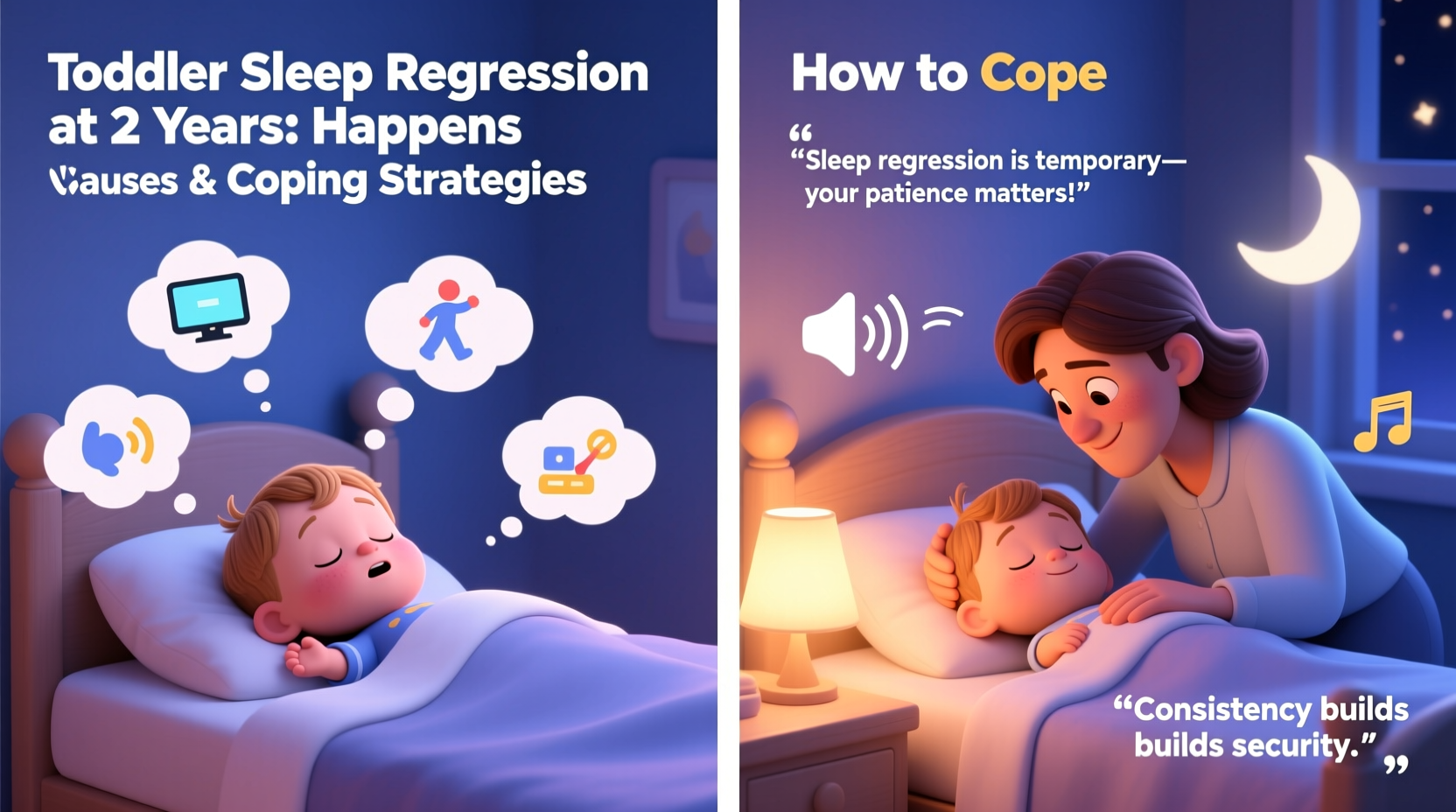
Sleep regression refers to a period when a child who previously slept well begins to resist bedtime, wake frequently at night, or stop napping altogether. While regressions can occur at various ages (4 months, 8 months, 18 months), the 2-year-old stage stands out due to the intensity of cognitive and emotional changes happening simultaneously.
This regression typically lasts between two to six weeks, though some children may experience shorter or slightly longer disruptions. It’s not a sign of poor parenting or a permanent change in sleep habits—it’s a natural response to rapid development.
Tip: Keep a sleep log for one week to identify patterns—this helps distinguish true regression from temporary disruptions like illness or schedule changes.Why Does Sleep Regression Happen at 2 Years Old?
The second year of life brings monumental shifts in brain development, language acquisition, emotional regulation, and physical abilities. These milestones, while exciting, can interfere with sleep stability. The primary causes include:
- Cognitive Growth: Toddlers begin thinking more abstractly, remembering past events, and anticipating future ones. This leads to separation anxiety and fear of missing out when being put to bed.
- Language Explosion: As vocabulary expands, so does the desire to communicate. Your toddler might stall bedtime with endless questions or demands.
- Independence and Control: “No” becomes a favorite word. Refusing to go to bed is a way for toddlers to assert autonomy.
- Milestone Mastery: Walking, running, climbing, and even toilet training consume mental energy. Practicing skills in dreams—or waking up to try them—can disrupt sleep.
- Overstimulation: Busy days, screen time, or inconsistent routines can leave toddlers too wired to settle down.
- Nap Transitions: Some 2-year-olds begin resisting one nap, but aren’t ready for none. This in-between phase destabilizes nighttime sleep.
“Sleep regressions are not setbacks—they’re signals of progress. When your toddler fights sleep, they’re often processing everything they’ve learned that day.” — Dr. Lena Peterson, Pediatric Sleep Specialist
Common Signs of 2-Year-Old Sleep Regression
It’s important to differentiate sleep regression from other issues such as illness, teething, or chronic sleep disorders. Key indicators include:
- Sudden resistance to bedtime despite no prior issues
- Frequent night wakings without illness or discomfort
- Shorter naps or refusal to nap
- Increased clinginess at bedtime
- Emotional meltdowns during the sleep routine
- Waking earlier than usual (e.g., 5 a.m.)
If these behaviors emerge abruptly and coincide with developmental leaps—such as speaking in full sentences or showing strong preferences—they are likely part of a regression rather than a long-term problem.
How to Cope: Practical Strategies for Parents
While you can’t skip the regression, you can minimize its impact with intentional, consistent responses. The goal isn’t perfection—it’s sustainability. Focus on creating a calm, predictable environment that supports both your toddler’s needs and your own well-being.
1. Reinforce a Consistent Bedtime Routine
A predictable sequence of activities signals the brain that sleep is coming. Keep the routine simple, soothing, and consistent—even on weekends.
- Bath (optional but calming)
- Put on pajamas
- Brush teeth
- Read 1–2 short books
- Sing a lullaby or quiet song
- Goodnight kisses and lights out
Limit screen time at least one hour before bed. Blue light suppresses melatonin, making it harder for toddlers to fall asleep.
2. Set Firm but Gentle Boundaries
Toddlers test limits because they need to understand where safety lies. If your child keeps getting out of bed, calmly return them without engaging in lengthy conversations.
Tip: Use a phrase like, “It’s time for sleeping now. I love you. Goodnight,” and exit promptly. Repeat as needed—consistency builds trust.3. Optimize the Sleep Environment
Ensure the bedroom supports sleep:
- Keep the room dark using blackout curtains
- Maintain a cool temperature (68–72°F / 20–22°C)
- Use a white noise machine to mask household sounds
- Offer a lovey or comfort object (if safe and approved by your pediatrician)
4. Manage Nap Transitions Thoughtfully
At two years, many toddlers transition from two naps to one. Abrupt changes can trigger regression. Watch for cues:
| Signs Ready for One Nap | Signs Not Ready Yet |
|---|---|
| Refuses morning nap consistently | Falls asleep in the car/stroller mid-morning |
| Happy and alert with only an afternoon nap | Becomes overtired by late afternoon |
| Can stay awake 4–5 hours before bedtime | Needs help falling asleep at night |
If your child resists the morning nap but crashes later, consider dropping it gradually. Offer quiet time instead—dim lights, books, soft music—for 30–60 minutes. This gives the brain a rest without disrupting nighttime sleep.
5. Address Separation Anxiety with Reassurance
Many 2-year-olds fear being apart from caregivers. Acknowledge feelings without reinforcing dependency.
Instead of saying, “Don’t worry, Mommy’s right here,” try, “I know it’s hard to say goodnight. I’ll check on you after you close your eyes.” Then follow through with a brief check-in three minutes later—just enough to reassure, not reward calling out.
Step-by-Step Guide to Managing Sleep Regression
Follow this five-day plan to stabilize your toddler’s sleep during regression:
- Day 1: Document current sleep times, wakings, and behaviors. Identify triggers (e.g., late dinner, overexcitement).
- Day 2: Adjust bedtime earlier by 15–30 minutes. Overtired toddlers fight sleep harder.
- Day 3: Simplify the bedtime routine. Remove stimulating activities; focus on calm transitions.
- Day 4: Introduce a visual bedtime chart with pictures (bath, book, bed) to increase predictability.
- Day 5: Respond consistently to night wakings—same words, same tone, same return-to-bed method.
By day seven, many families see improvement. Remember: progress is rarely linear. Some nights will be better than others.
Mini Case Study: The Martinez Family
The Martinezes noticed their daughter Sofia, age 2, began screaming when placed in her crib. She used to fall asleep within 10 minutes; now, she’d cry for 45. She also started waking twice nightly, asking for water or cuddles.
After tracking her sleep, they realized she was skipping her morning nap but wasn’t getting enough quiet time. They introduced a 45-minute “rest hour” with dimmed lights and audiobooks. They also moved bedtime from 8 p.m. to 7:15 p.m., suspecting she was overtired.
They created a bedtime chart and agreed to respond to night wakings with minimal interaction. After 10 days, Sofia’s crying decreased, and she returned to sleeping 11–12 hours straight.
“We thought we were doing something wrong,” said Maria Martinez. “But once we saw it as a phase tied to her new words and walking skills, we felt more patient.”
Do’s and Don’ts During Sleep Regression
| Do | Don't |
|---|---|
| Stick to a regular bedtime and wake-up time | Let bedtime drift later to compensate for poor sleep |
| Offer comfort with brief, calm responses | Bring your toddler into your bed regularly |
| Adjust naps based on behavior, not age alone | Eliminate naps abruptly without observing readiness |
| Use a toddler clock to teach when it’s okay to get up | Allow screen time right before bed |
| Praise cooperation (“You stayed in bed all night!”) | Negotiate or give in to repeated requests |
FAQ: Common Questions About 2-Year-Old Sleep Regression
How long does the 2-year sleep regression last?
Most cases resolve within 2 to 6 weeks. However, if major changes like potty training or travel occur simultaneously, it may extend. Consistency in routine usually shortens the duration.
Should I drop the nap during sleep regression?
Not automatically. Many toddlers resist naps due to overtiredness, not readiness. Try adjusting nap timing or offering quiet rest first. Sudden nap removal often worsens nighttime sleep.
Is it okay to let my toddler cry it out during regression?
Every family has different comfort levels. Some find gentle sleep training methods helpful; others prefer responsive parenting. The key is consistency. Whichever method you choose, stick with it for at least 5–7 nights to assess effectiveness.
Checklist: How to Support Your Toddler Through Sleep Regression
- ✅ Maintain a consistent bedtime and wake-up time (within 30 minutes daily)
- ✅ Create a calming, screen-free bedtime routine
- ✅ Assess nap schedule—adjust or offer quiet time if needed
- ✅ Optimize sleep environment (dark, cool, quiet)
- ✅ Respond calmly and consistently to night wakings
- ✅ Avoid introducing new sleep associations (e.g., nursing to sleep if not usual)
- ✅ Monitor for signs of illness or discomfort that mimic regression
- ✅ Practice self-care—your patience and energy matter too
Conclusion: This Phase Will Pass
Sleep regression at two is not a failure—it’s a milestone marker. Your toddler isn’t giving you a hard time; they’re having a hard time integrating rapid growth. With empathy, structure, and steady routines, most children emerge from this phase with stronger sleep habits than before.
Be kind to yourself. You don’t need to be perfect—just present and consistent. Trust that this challenge is temporary, and your efforts today lay the foundation for years of healthy sleep ahead.
💬 Have you experienced the 2-year sleep regression? What worked for your family? Share your story in the comments to support other parents navigating this common—but tough—phase.








