The Achilles tendon, the strongest tendon in the human body, connects your calf muscles to your heel bone. When this tendon becomes tight, it can lead to discomfort, reduced mobility, and even injury if left unaddressed. Tightness often develops gradually, making early recognition crucial. Whether you're an athlete, a weekend walker, or someone who spends long hours on your feet, understanding the root causes, identifying symptoms, and knowing how to find relief can prevent long-term complications such as tendinopathy or rupture.
What Causes a Tight Achilles Tendon?
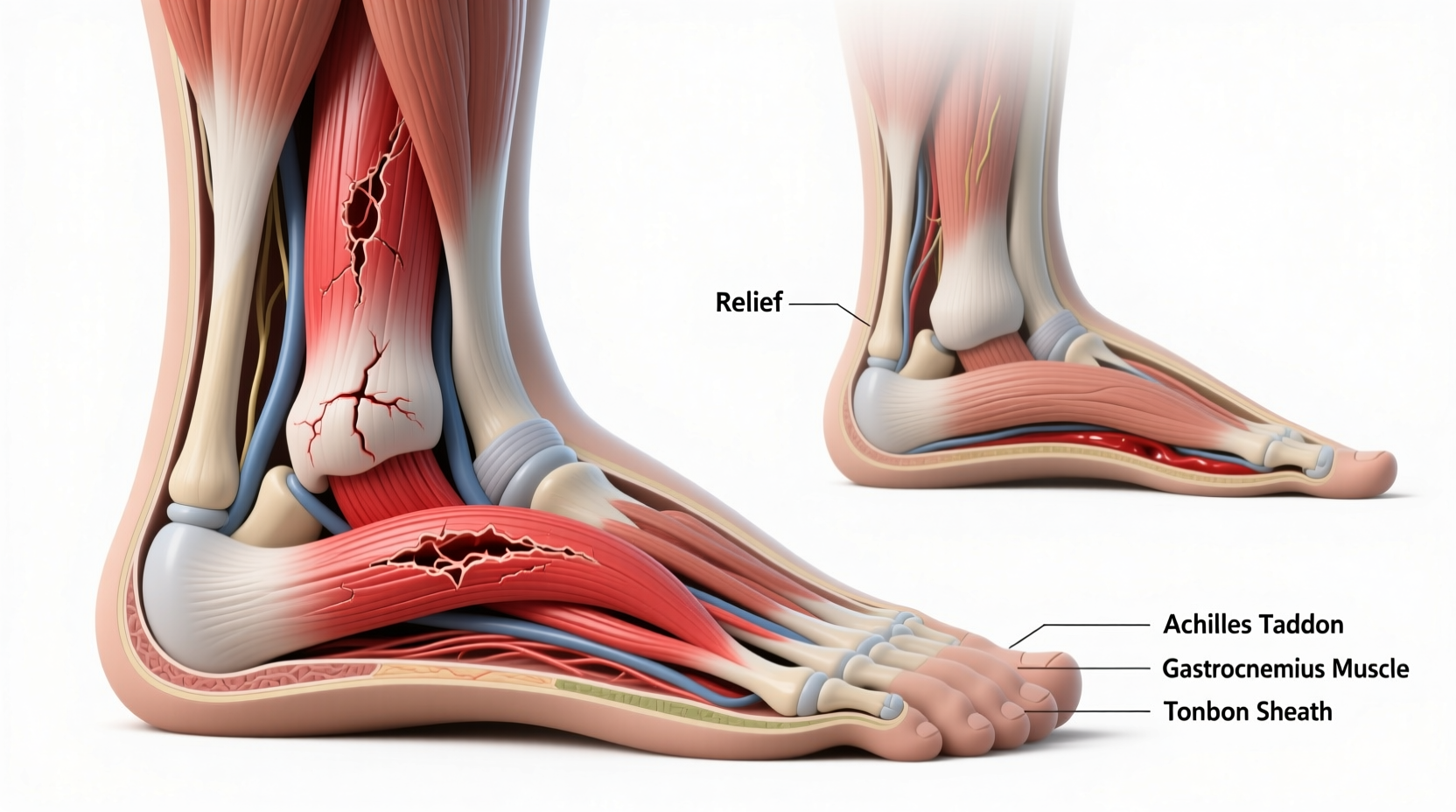
A tight Achilles tendon doesn’t happen overnight. It typically results from a combination of biomechanical stress, lifestyle habits, and physical imbalances. Understanding the underlying causes helps in both treatment and prevention.
- Overuse: Repetitive strain from running, jumping, or sudden increases in activity intensity can irritate the tendon.
- Poor Footwear: Shoes with inadequate support or excessive heel elevation alter natural gait mechanics, increasing tension on the tendon.
- Lack of Stretching: Skipping post-workout stretches, especially in the calves, leads to chronic shortening of the muscle-tendon unit.
- Muscle Imbalances: Weak glutes or tight hip flexors can shift load to the lower legs, overworking the calf and Achilles.
- Age-Related Stiffness: As we age, tendons naturally lose elasticity, making them more prone to tightness and microtears.
- Biomechanical Issues: Flat feet (overpronation) or high arches (supination) change how force is distributed through the foot and ankle.
- Sudden Changes in Activity: Transitioning from sedentary behavior to intense exercise without proper progression strains the tendon.
“Many patients come in with Achilles pain that started subtly—just stiffness in the morning. By addressing tightness early, we can often avoid chronic inflammation.” — Dr. Lena Torres, Sports Medicine Physician
Common Symptoms of Achilles Tightness
Recognizing symptoms early allows for timely intervention. While some signs are mild, others indicate advancing issues that may require medical attention.
Tip: Pay special attention to morning stiffness—it’s one of the earliest indicators of Achilles dysfunction.- Stiffness in the back of the ankle, particularly upon waking or after sitting for long periods.
- Pain or tenderness along the tendon, especially near the heel.
- Reduced range of motion when trying to dorsiflex the ankle (bringing toes toward the shin).
- Swelling or warmth around the tendon area.
- Crepitus (a creaking sound) when moving the ankle, indicating friction within the tendon sheath.
- Difficulty walking uphill or climbing stairs, due to limited ankle flexibility.
In more advanced cases, persistent tightness can progress to Achilles tendinitis (acute inflammation) or tendinosis (chronic degeneration), which require longer recovery times.
Effective Relief Strategies
Relief begins with reducing strain and restoring flexibility. A multi-pronged approach yields the best results.
1. Daily Stretching Routine
Consistent stretching improves tissue extensibility. Perform these exercises twice daily, especially before and after activity.
- Standing Calf Stretch: Place hands on a wall, step one foot back, keep the heel down, and bend the front knee until you feel a stretch in the calf. Hold 30 seconds, repeat 3 times per leg.
- Seated Towel Stretch: Sit with legs extended, loop a towel around the ball of your foot, and gently pull toward you while keeping the knee straight.
- Eccentric Heel Drops: Stand on a step with heels hanging off. Rise onto both toes, then slowly lower one heel below the step. Use both feet to rise, one to lower. 3 sets of 15 reps, twice daily.
2. Self-Myofascial Release
Use a foam roller or massage ball to release tightness in the gastrocnemius and soleus muscles. Roll slowly, pausing on tender spots for 20–30 seconds.
3. Ice and Heat Therapy
Apply ice for 15 minutes after activity if there’s swelling or acute pain. Use moist heat in the morning to loosen stiff tissues before stretching.
4. Supportive Footwear and Orthotics
Choose shoes with firm heel counters and moderate cushioning. Consider custom orthotics if you have flat feet or overpronation to correct alignment.
5. Activity Modification
Temporarily reduce high-impact activities like running or jumping. Replace them with low-impact alternatives such as swimming or cycling to maintain fitness without aggravating the tendon.
Do’s and Don’ts: Managing Achilles Tightness
| Do’s | Don’ts |
|---|---|
| Stretch daily, especially after activity | Ignore morning stiffness or mild pain |
| Wear supportive, well-fitted shoes | Run on uneven or hard surfaces frequently |
| Gradually increase training intensity | Perform aggressive stretches that cause sharp pain |
| Use heel lifts temporarily if pain is severe | Rely on heel lifts long-term (can weaken calf muscles) |
| Seek professional evaluation if pain persists | Continue painful activities hoping it will “work itself out” |
Real-Life Example: Recovery from Chronic Tightness
James, a 42-year-old recreational runner, began experiencing tightness in his right Achilles after increasing his weekly mileage for a half-marathon. Initially dismissing it as normal soreness, he continued training. Within three weeks, the stiffness turned into sharp pain during runs and noticeable swelling.
After consulting a physical therapist, James learned his running shoes were worn out and lacked arch support. He also had significant weakness in his gluteal muscles, causing his calves to compensate. His treatment plan included eccentric heel drops, glute strengthening, footwear replacement, and two weeks of cross-training.
Within six weeks, James’ symptoms resolved. He returned to running with a structured program and now incorporates dynamic warm-ups and regular stretching into his routine—preventing recurrence.
Prevention Checklist
Stay ahead of Achilles issues with this actionable checklist:
- ✅ Perform calf stretches at least once daily
- ✅ Replace athletic shoes every 300–500 miles
- ✅ Warm up properly before workouts (5–10 minutes of light cardio + dynamic stretches)
- ✅ Strengthen calf, glute, and core muscles twice weekly
- ✅ Avoid sudden spikes in activity volume or intensity
- ✅ Listen to your body—rest when you feel tightness or discomfort
Frequently Asked Questions
Can a tight Achilles tendon lead to plantar fasciitis?
Yes. A tight Achilles limits ankle dorsiflexion, increasing strain on the plantar fascia. This altered mechanics often contributes to or worsens plantar fasciitis.
How long does it take to loosen a tight Achilles tendon?
With consistent daily stretching and activity modification, most people see improvement in 2–6 weeks. Chronic cases may take several months, especially if structural changes have occurred.
Should I massage a tight Achilles tendon?
Direct massage on the tendon itself should be gentle. Focus instead on the calf muscles above. Aggressive pressure on the tendon can irritate it further, especially if inflammation is present.
Conclusion: Take Action Before It Worsens
A tight Achilles tendon is more than just a minor annoyance—it’s a warning sign your body sends when mechanical stress exceeds tolerance. Left unchecked, it can derail your activity, limit mobility, and lead to prolonged rehabilitation. The good news is that most cases respond well to early, consistent care. Simple habits like daily stretching, wearing appropriate footwear, and listening to your body’s signals go a long way in maintaining tendon health.
💬 Have you experienced Achilles tightness? What helped you recover? Share your story in the comments to help others find relief faster.








