
Selecting the right toothbrush is one of the most overlooked yet critical decisions in maintaining strong oral health. For families, this choice becomes even more complex—children, adults, and seniors all have different dental needs. A soft toothbrush is often recommended by dentists, but not all soft brushes are created equal. Understanding what makes a toothbrush truly effective—and safe—for daily use can prevent gum recession, enamel wear, and long-term sensitivity.
The American Dental Association (ADA) emphasizes that brushing twice a day with a soft-bristled brush is essential for plaque removal without damaging soft tissues. Yet, many consumers still choose medium or hard brushes, believing they clean better. The truth is quite the opposite: aggressive brushing with stiff bristles can lead to irreversible gum damage. This guide breaks down everything you need to know to select the ideal soft toothbrush for every member of your family.
Why Soft Bristles Matter for Long-Term Oral Health
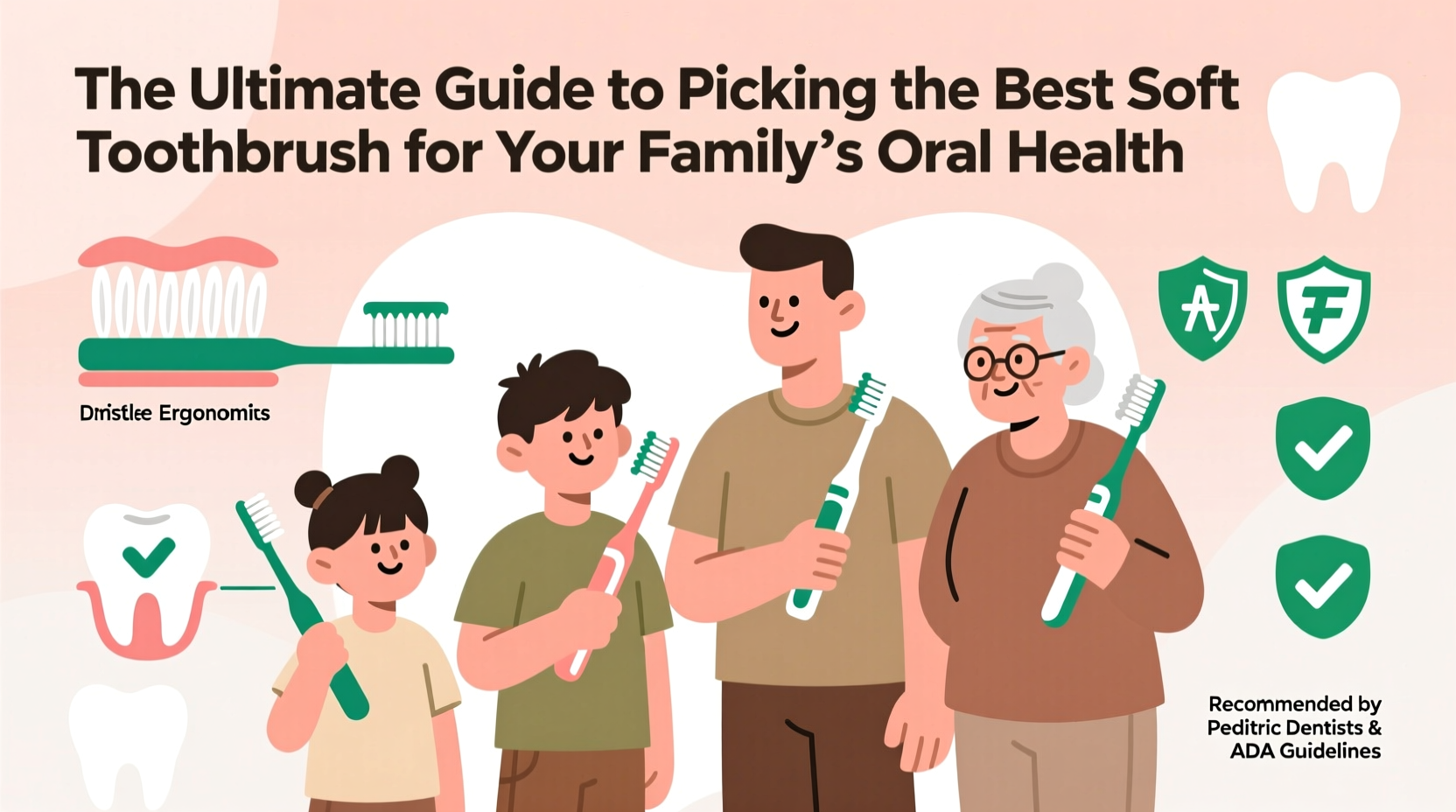
Soft bristles are designed to gently remove plaque along the gumline and between teeth while minimizing trauma to gums and enamel. Unlike firmer brushes, they flex with the contours of your teeth and gums, reaching areas without causing micro-abrasions. Over time, using a hard-bristled toothbrush—even with gentle pressure—can contribute to gingival recession, root exposure, and increased tooth sensitivity.
Dentists consistently recommend soft bristles, especially for individuals with sensitive teeth, gum disease, or those undergoing orthodontic treatment. According to Dr. Linda Chen, a board-certified periodontist:
“Over 60% of adult patients I see show signs of non-carious cervical lesions—essentially notches near the gumline—caused by years of overzealous brushing with stiff bristles. Switching to a soft brush and proper technique reverses further damage.”
Children, whose enamel is still developing, and older adults, who may experience gum shrinkage, benefit immensely from the gentler action of soft bristles. The key is pairing the right brush with correct brushing habits—not scrubbing, but massaging the gums and gliding over surfaces.
How to Evaluate a Quality Soft Toothbrush
Not all “soft” labels are trustworthy. Some brands use vague marketing terms without adhering to clinical standards. To ensure you’re getting a genuinely soft and effective toothbrush, consider these five criteria:
- Bristle Tapering: Look for “end-rounded” or “tapered” bristles. These are polished at the tips to reduce gum irritation and allow safer access to tight spaces.
- Bristle Density: Medium to high density helps remove plaque efficiently without requiring excessive pressure.
- Handle Ergonomics: A non-slip grip is crucial, especially for children and elderly users. Angled necks can improve reach to back molars.
- Head Size: Small to medium heads (about 1 inch long) fit comfortably in most mouths and allow precise control.
- ADA Seal of Acceptance: This indicates the brush has been independently tested for safety and effectiveness.
Choosing the Right Brush for Each Family Member
Families require different solutions based on age, dexterity, and dental conditions. Here's how to tailor choices across generations:
| Age Group | Recommended Features | Top Considerations |
|---|---|---|
| Children (3–10) | Small head, extra-soft bristles, fun colors, easy-grip handle | Avoid adult-sized brushes; prioritize comfort to encourage regular brushing |
| Teens (11–17) | Soft bristles, ADA-approved, compatible with electric models | Ideal time to introduce electric brushes for better plaque control |
| Adults (18–59) | Soft or extra-soft, angled head, durable bristles | Pair with fluoride toothpaste; replace every 3 months |
| Seniors (60+) | Extra-soft bristles, large non-slip handle, lightweight design | Supports users with arthritis or reduced hand strength |
Real Example: The Miller Family’s Brush Upgrade
The Millers had a routine: everyone used the same bulk-pack toothbrushes from the supermarket. After a family dental checkup, their hygienist noticed receding gums in both parents and plaque buildup in their 8-year-old daughter. She recommended switching to age-specific soft brushes. They chose a child-friendly model with a cartoon timer for their daughter, a compact manual soft brush for the mother, and an electric toothbrush with extra-soft heads for the father, who had mild gum disease. Within three months, their next cleaning revealed significantly less inflammation and improved home care compliance—especially from their daughter, who loved her new “dancing toothbrush.”
Manual vs. Electric: Which Soft Toothbrush Is Better?
Both manual and electric soft toothbrushes can be effective when used correctly. However, studies show that oscillating-rotating electric brushes remove up to 21% more plaque than manual ones after three months of use.
Electric models often come with built-in pressure sensors and timers, helping prevent over-brushing—a common issue even with soft bristles. For children and adults with limited mobility, electric brushes offer consistent motion with minimal effort.
That said, a well-designed manual soft toothbrush remains a powerful tool. It’s more affordable, travel-friendly, and doesn’t require charging. The real difference lies in technique: small circular motions at a 45-degree angle to the gumline, lasting two full minutes.
Tip: If using a manual brush, set a timer or play a two-minute song to ensure thorough cleaning.Step-by-Step Guide to Choosing & Using Your Family’s Soft Toothbrush
- Assess individual needs: Note any sensitivities, braces, or mobility issues in family members.
- Read labels carefully: Look for “soft” or “extra-soft” and confirm ADA approval.
- Test the handle: Ensure it feels secure and comfortable in each person’s hand.
- Demonstrate proper technique: Show gentle circles, not back-and-forth scrubbing.
- Replace regularly: Change brushes (or heads) every 3 months, or sooner if bristles fray.
- Rinse and store properly: Wash under running water and store upright to air-dry.
Common Mistakes to Avoid
- Using the same brush for too long: Worn bristles lose effectiveness and harbor bacteria.
- Sharing toothbrushes: Even among family, this spreads germs and increases infection risk.
- Storing brushes in closed containers: Damp, enclosed spaces promote bacterial growth.
- Applying too much pressure: Let the bristles do the work—pressing harder doesn’t clean better.
FAQ
Can a soft toothbrush clean as effectively as a hard one?
Yes—when used with proper technique. Plaque is soft and can be removed with gentle pressure. Hard bristles don’t clean better; they just damage tissue. Studies confirm soft brushes are equally effective at plaque removal when brushing duration and method are correct.
Are soft toothbrushes safe for kids with braces?
Absolutely. In fact, orthodontists strongly recommend soft or orthodontic-specific brushes for patients with braces. These brushes feature contouring bristle patterns that clean around brackets and wires without snagging or irritating gums.
How do I know when it’s time to replace a soft toothbrush?
Replace your toothbrush every three months, or earlier if the bristles become frayed, splayed, or discolored. Also replace it after an illness to avoid reintroducing bacteria.
Final Checklist: Picking the Best Soft Toothbrush
- ☐ Verified soft or extra-soft bristle label
- ☐ ADA Seal of Acceptance present
- ☐ Bristles are end-rounded or tapered
- ☐ Head size fits comfortably in mouth
- ☐ Handle provides secure grip
- ☐ Age-appropriate design for each user
- ☐ Easy to clean and store upright
Conclusion
Picking the best soft toothbrush for your family isn’t about finding a one-size-fits-all solution—it’s about matching the right tool to each individual’s needs. From toddlers learning to spit to grandparents managing gum sensitivity, a thoughtful choice today supports healthier smiles for years to come. The benefits extend beyond cleaner teeth: reduced sensitivity, stronger gums, and fewer dental visits. Start by evaluating your current brushes, involve your family in the selection process, and commit to replacing them regularly. Your future self—and your dentist—will thank you.
🚀 Ready to upgrade your family’s brushing routine? Share this guide with other parents or caregivers and start a conversation about smarter, gentler oral care today.