Hair clippers are essential tools for barbers, stylists, and home users alike. Over time, hair, oil, and skin debris accumulate on the blades, causing friction, overheating, and reduced cutting efficiency. A dirty blade doesn’t just perform poorly—it can also damage your hair, irritate the scalp, and shorten the life of your clippers. Regular cleaning isn’t optional; it’s a necessity for consistent, professional-grade results. This guide walks you through every step of maintaining clean, sharp blades that deliver smooth cuts and last for years.
Why Blade Maintenance Matters
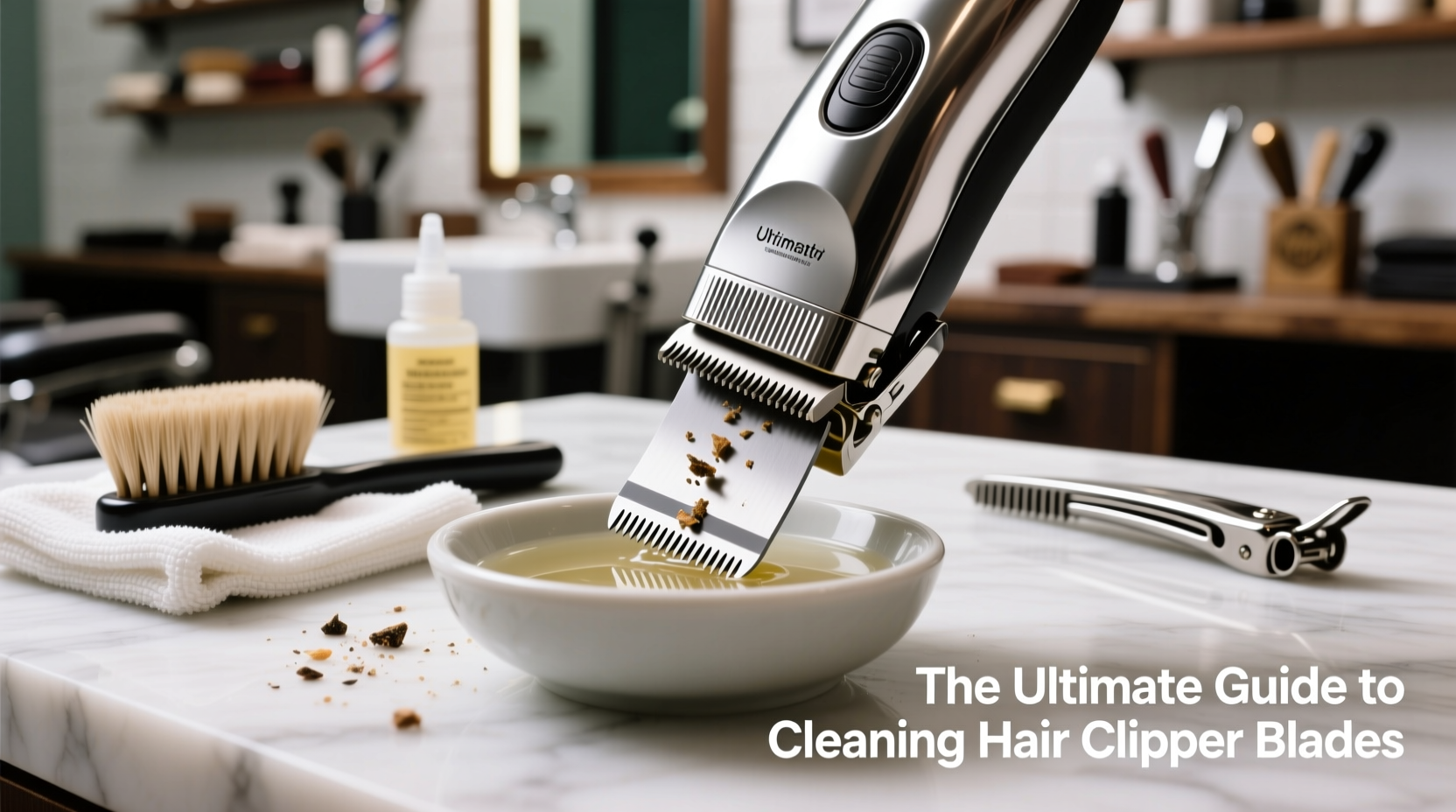
The performance of any hair clipper hinges on its blades. Dull or clogged blades tug at hair instead of slicing cleanly, leading to discomfort and uneven results. More importantly, accumulated organic material creates a breeding ground for bacteria, which poses hygiene risks—especially in salon environments. Proper cleaning prevents corrosion, reduces motor strain, and maintains precision alignment between the moving and stationary blades.
“Blade maintenance is the most overlooked aspect of clipper care. A well-maintained blade can last three times longer than a neglected one.” — Marcus Reed, Master Barber & Tool Technician
Neglecting this routine leads to frequent replacements, costly repairs, and client dissatisfaction. Whether you're using clippers daily or weekly, a consistent cleaning schedule ensures reliability and longevity.
Step-by-Step Guide to Cleaning Clipper Blades
Cleaning your clipper blades properly involves more than a quick wipe. Follow this detailed process to ensure thorough sanitation and optimal function.
- Power off and unplug the clippers. Safety first. Never attempt cleaning while the device is running or plugged in.
- Remove the blades if possible. Most professional clippers allow blade removal. Consult your manual to detach them safely without damaging the hinge or alignment.
- Brush away loose debris. Use a small stiff-bristle brush (often included with clippers) to remove hair fragments from between the teeth and along the blade edges.
- Apply a blade cleaning solution. Spray a dedicated clipper cleaner or use 90%+ isopropyl alcohol onto both blades. Avoid water-based cleaners unless specified by the manufacturer.
- Wipe thoroughly with a lint-free cloth. Gently wipe each blade until no residue remains. Pay attention to crevices where buildup hides.
- Sanitize for hygienic safety. Soak removable blades in disinfectant solution for 5–10 minutes, especially in salon settings. Rinse only if required, then dry completely.
- Reassemble and lubricate. Once dry, reattach the blades. Apply 2–3 drops of clipper oil along the blade track before turning the device on briefly to distribute the oil evenly.
- Test performance. Run the clippers over your hand (with caution) to ensure smooth, quiet operation. If there’s resistance or noise, repeat cleaning or check for misalignment.
Do’s and Don’ts of Blade Care
| Do’s | Don’ts |
|---|---|
| Use manufacturer-recommended cleaning solutions | Use household detergents or soaps |
| Lubricate blades before and after each use | Run clippers dry for extended periods |
| Store clippers in a dry, dust-free case | Leave blades exposed to moisture or humidity |
| Replace blades when worn or chipped | Continue using damaged blades to “save money” |
| Inspect blade alignment monthly | Force blades into place if they don’t fit smoothly |
Real-World Example: The Busy Barber’s Routine
Jamal runs a high-volume barbershop in downtown Chicago. With 15+ clients per day, his clippers face constant use. Early on, he skipped post-cut cleaning, assuming a quick brush was enough. Within six months, two clippers failed due to motor burnout caused by excessive friction from clogged blades. After consulting a tool technician, he implemented a strict protocol: brush, spray, wipe, oil—after every single client. He also began deep-cleaning blades weekly with an ultrasonic cleaner. Two years later, his original set of Andis clippers still performs like new. His overhead dropped, client comfort improved, and repeat customers noticed the smoother fades. Jamal now trains all junior barbers in his shop using this same system.
Essential Tools for Effective Blade Maintenance
You don’t need a full toolkit, but having the right supplies makes cleaning faster and more effective. Keep these items on hand:
- Clipper cleaning brush: Small, firm bristles ideal for dislodging trapped hair.
- Blade cleaning solution or isopropyl alcohol (90%+): Dissolves oils and sanitizes metal surfaces.
- Lint-free cloths: Prevent fibers from sticking to oiled blades.
- Clipper oil: Specially formulated to reduce friction without gumming up mechanisms.
- Ultrasonic cleaner (optional): Excellent for deep sanitation in professional settings.
- Spare screws and hinge pins: In case of accidental loss during cleaning.
Maintenance Checklist: Weekly & Monthly Tasks
Consistency is key. Use this checklist to stay on top of blade health:
After Every Use
- Turn off and unplug clippers
- Brush out hair and debris
- Wipe blades with cleaning solution
- Apply 2–3 drops of oil
- Run clippers briefly to spread oil
Weekly Deep Clean
- Remove blades (if applicable)
- Soak in disinfectant or alcohol bath
- Scrub gently with brush
- Dry completely before reassembly
- Check for nicks or dullness
Monthly Inspection
- Test blade alignment
- Examine screw tightness
- Assess cutting performance
- Replace blades if slipping or pulling
- Service motor if unusual noise occurs
Frequently Asked Questions
Can I use WD-40 instead of clipper oil?
No. WD-40 is not a lubricant—it’s a water-displacing solvent. It can strip existing oils, attract dust, and degrade internal components. Always use clipper-specific oil designed for high-speed metal contact.
How often should I replace my clipper blades?
With proper care, quality blades last 6–12 months under heavy use. Signs it’s time to replace include visible chips, persistent tugging, uneven cutting lines, or failure to improve after cleaning and oiling. Some models offer sharpening services, but replacement is often more cost-effective.
Is it safe to wash blades with water?
Only if the manufacturer explicitly allows it. Most electric clippers contain motors and electronics vulnerable to moisture. Even removable blades should be dried immediately and thoroughly. Alcohol-based cleaners are safer and evaporate quickly without residue.
Final Thoughts: Make Cleaning a Habit, Not a Chore
Clean clipper blades aren’t just about performance—they’re about professionalism, hygiene, and respect for your craft. Taking five minutes after each use saves hours of repair or replacement down the line. Whether you're shaping fades in a buzzing barbershop or trimming family members at home, your tools deserve regular attention. Think of blade care as part of your signature service: smooth, precise, and reliable every time.
🚀 Start today: Grab your brush and oil, clean your blades now, and commit to a routine. Your clippers—and your clients—will thank you.








