
Seasonal allergies affect millions of people every year, turning spring blooms and autumn breezes into sneezing fits, itchy eyes, and sleepless nights. While over-the-counter medications offer temporary relief, many are turning to air purifiers as a long-term solution to improve indoor air quality. But do they actually work? The answer isn’t a simple yes or no—it depends on the type of purifier, the allergens involved, and how the device is used in your home.
Indoor air can be up to five times more polluted than outdoor air, according to the U.S. Environmental Protection Agency (EPA). Pollen, dust mites, pet dander, and mold spores—common triggers for seasonal allergies—can accumulate indoors, especially with tightly sealed homes designed for energy efficiency. Air purifiers aim to filter out these airborne irritants, but not all models are equally effective. Understanding how they work and what to look for can make the difference between meaningful symptom reduction and wasted investment.
How Air Purifiers Work Against Allergens
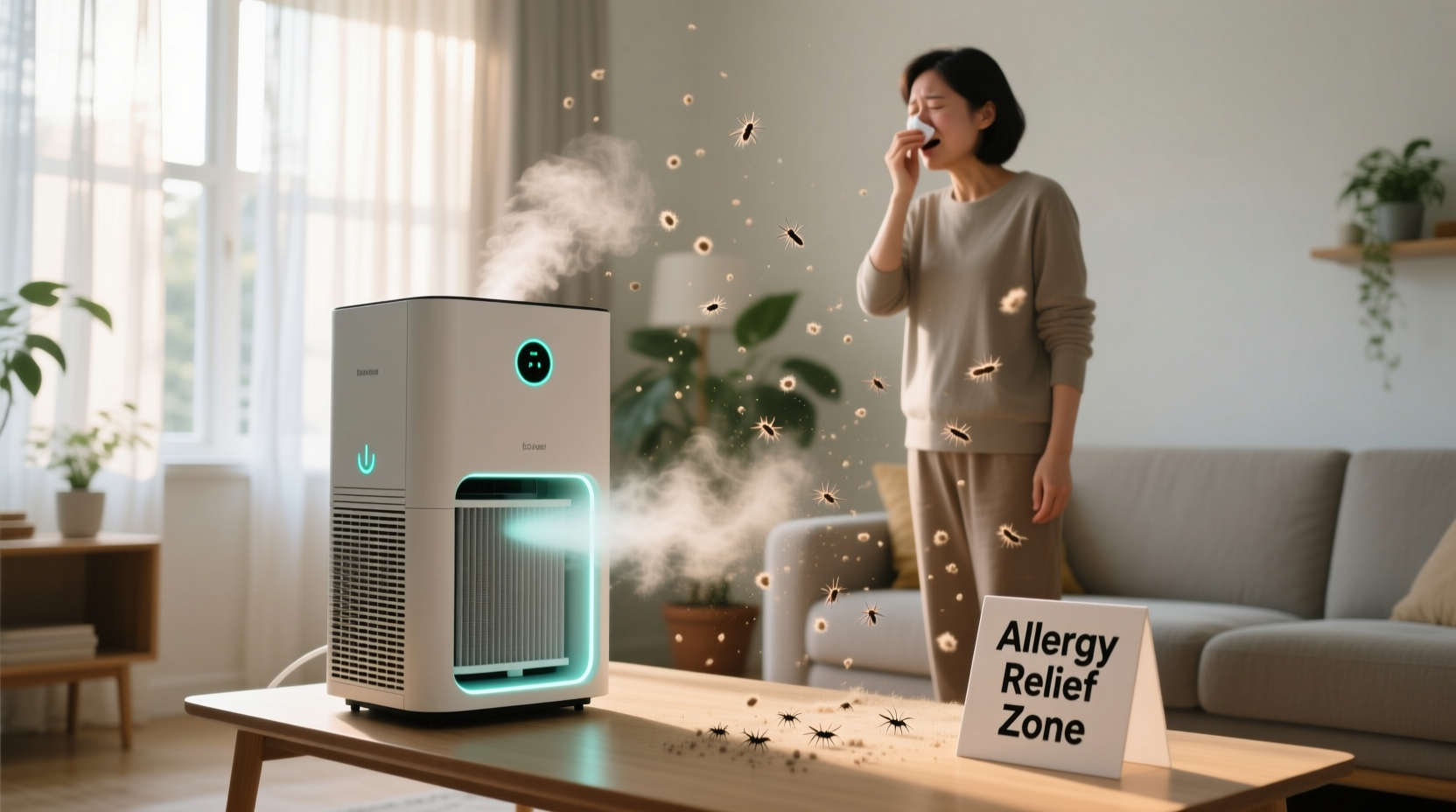
Air purifiers function by drawing in room air and passing it through one or more filtration systems before releasing cleaner air back into the environment. The most effective units for allergy sufferers use High-Efficiency Particulate Air (HEPA) filters, which capture at least 99.97% of particles as small as 0.3 microns—including pollen, mold spores, and fine dust.
It's important to note that HEPA filters don't remove gases or odors. For comprehensive air cleaning, some purifiers combine HEPA with activated carbon filters to address volatile organic compounds (VOCs) and odors, though these are less relevant for seasonal allergies.
The key mechanism for allergy relief lies in continuous operation. Allergens settle and resuspend throughout the day—especially when walking, vacuuming, or opening windows. A well-placed air purifier running consistently can intercept these particles before they’re inhaled, reducing overall exposure.
Tip: Place your air purifier in the bedroom, where you spend the most time breathing deeply and continuously.What Science Says About Air Purifiers and Allergy Relief
Multiple studies support the role of HEPA air purifiers in reducing indoor allergen levels. A 2020 review published in The Journal of Allergy and Clinical Immunology: In Practice analyzed data from 15 clinical trials and found that HEPA purifiers significantly reduced airborne particulate matter and improved allergy symptoms such as nasal congestion, sneezing, and eye irritation.
In one notable study, participants with pollen allergies who used HEPA purifiers in their bedrooms reported a 30% reduction in symptom severity compared to those without purifiers. Another trial involving children with allergic rhinitis showed improved lung function and fewer nighttime awakenings when air purifiers were used consistently.
“Portable air purifiers with true HEPA filtration can be an effective component of a multi-pronged approach to managing seasonal allergies, particularly when combined with source control and proper ventilation.” — Dr. Lena Patel, Board-Certified Allergist & Immunologist
However, researchers caution that air purifiers alone are not a cure-all. Their effectiveness depends on factors like room size, airflow patterns, and the presence of ongoing allergen sources (e.g., pets, dampness, or open windows during high-pollen days).
Choosing the Right Air Purifier for Seasonal Allergies
Not all air purifiers deliver the same results. To get real benefits for seasonal allergies, focus on specific features that target airborne allergens:
- True HEPA Filter: Avoid \"HEPA-type\" or \"HEPA-like\" filters. Only true HEPA (sometimes labeled H13 or H14) meets the standard for capturing 99.97% of 0.3-micron particles.
- Appropriate Room Coverage: Match the purifier’s Clean Air Delivery Rate (CADR) to your room size. Using an undersized unit in a large space will yield minimal results.
- Low Noise Levels: Since you’ll want it running at night, choose a model with a quiet sleep mode (ideally under 30 dB).
- No Ozone Emission: Avoid ionizers or ozone-generating purifiers, which can irritate lungs and worsen asthma and allergy symptoms.
- Filter Replacement Alerts: Timely filter changes ensure consistent performance. Clogged filters reduce airflow and filtration efficiency.
| Feature | Recommended for Allergies | Not Recommended |
|---|---|---|
| Filtration Type | True HEPA + Activated Carbon | Ionizers, Ozone Generators |
| CADR Rating | At least 2/3 of room area (in sq ft) | Below 50% of room size |
| Noise Level | Below 35 dB on low setting | Louder than 50 dB |
| Maintenance | Easy filter access, replacement alerts | No indicators, hard-to-find filters |
Real-World Example: Sarah’s Spring Allergy Breakthrough
Sarah, a 34-year-old teacher from Portland, Oregon, had struggled with springtime allergies for over a decade. Each March, she’d experience persistent nasal congestion, fatigue, and difficulty sleeping. Antihistamines helped but left her drowsy during school hours.
After consulting an allergist, she was advised to reduce indoor allergen exposure. She purchased a true HEPA air purifier rated for her 200-square-foot bedroom and began using it nightly starting in early February—before peak pollen season. She also started closing windows during high-pollen days and washing her bedding weekly in hot water.
Within three weeks, Sarah noticed fewer nighttime symptoms and reduced reliance on medication. Her morning sneezing fits decreased, and she reported feeling more alert during the day. Over the next two springs, she continued the routine and found her symptoms were consistently milder than in previous years.
While other factors contributed, Sarah credits the air purifier as the “turning point” in managing her seasonal allergies at home.
Maximizing Effectiveness: A Step-by-Step Guide
Getting the most out of your air purifier requires more than just plugging it in. Follow this sequence to optimize allergen reduction:
- Assess Your Home’s Problem Areas: Identify rooms where you spend the most time (e.g., bedroom, living room) and where allergens are likely to concentrate (near windows, pet areas).
- Select the Right Model: Choose a true HEPA purifier with a CADR rating appropriate for the room size. Check independent reviews for noise and reliability.
- Position Strategically: Place the unit at breathing level, away from walls and furniture, to allow optimal airflow. Avoid corners or behind doors.
- Run It Continuously: Set it to run 24/7 on a medium or low setting. Use auto-mode if available to adjust based on air quality.
- Maintain the Unit: Replace filters as recommended (typically every 6–12 months). Clean pre-filters monthly if washable.
- Combine With Other Measures: Vacuum with a HEPA-filter vacuum, wash bedding weekly, and keep windows closed during high-pollen periods.
Common Misconceptions About Air Purifiers
Despite growing popularity, several myths persist about air purifiers and their role in allergy management:
- Myth: Any air purifier helps with allergies. Reality: Units without true HEPA filters or those that generate ozone may do little or even worsen symptoms.
- Myth: One purifier cleans the whole house. Reality: Most portable units only clean the air in a single room. Central HVAC filters can help but require proper MERV ratings (11–13 recommended).
- Myth: Air purifiers eliminate the need for cleaning. Reality: They complement—not replace—dusting, vacuuming, and laundry routines. Settled allergens must still be physically removed.
- Myth: Results are immediate. Reality: It takes hours of continuous operation to noticeably reduce airborne particles. Long-term use yields cumulative benefits.
FAQ: Common Questions About Air Purifiers and Allergies
Can air purifiers stop pollen from entering my home?
No, air purifiers cannot prevent pollen from coming in through open windows or on clothing. However, once pollen is airborne indoors, a HEPA purifier can capture it quickly, reducing your exposure over time.
Do I need an air purifier if I have central air conditioning?
Your HVAC system helps, but standard filters aren’t sufficient for allergens. Upgrading to a high-MERV filter and adding standalone HEPA purifiers in key rooms provides better protection, especially since HVAC systems don’t run constantly.
Are there side effects to using an air purifier?
True HEPA purifiers are safe. However, models that emit ozone—even in small amounts—can irritate airways and worsen asthma. Always check product specifications and avoid \"ionizing\" or \"plasma wave\" technologies if you have respiratory sensitivities.
Final Thoughts: A Smart Addition, Not a Standalone Fix
Air purifiers can genuinely help reduce seasonal allergy symptoms at home—but only when chosen wisely and used correctly. A true HEPA model operating in your bedroom or main living area can lower airborne allergen concentrations, leading to fewer symptoms and better sleep. However, it should be part of a broader strategy that includes minimizing allergen entry, regular cleaning, and possibly medical treatment.
The best outcomes come from consistency. Think of your air purifier as an invisible ally, working quietly in the background to clean the air you breathe. When combined with informed habits and attention to your indoor environment, it becomes a valuable tool in reclaiming comfort during allergy season.
🚀 Ready to breathe easier? Evaluate your current space, measure your room, and invest in a true HEPA air purifier today. Your future self—sneeze-free and sleeping soundly—will thank you.








