
After months or years of orthodontic treatment, the last thing anyone wants is for their teeth to shift back out of alignment. Yet, this is a surprisingly common issue—especially when retainers are neglected. Teeth can begin moving within days of stopping retainer wear, and in some cases, the shift becomes visibly noticeable within weeks. Understanding why this happens, recognizing the signs early, and knowing the correct steps to take can make all the difference in preserving your smile and avoiding costly corrections down the line.
Why Teeth Shift Without a Retainer
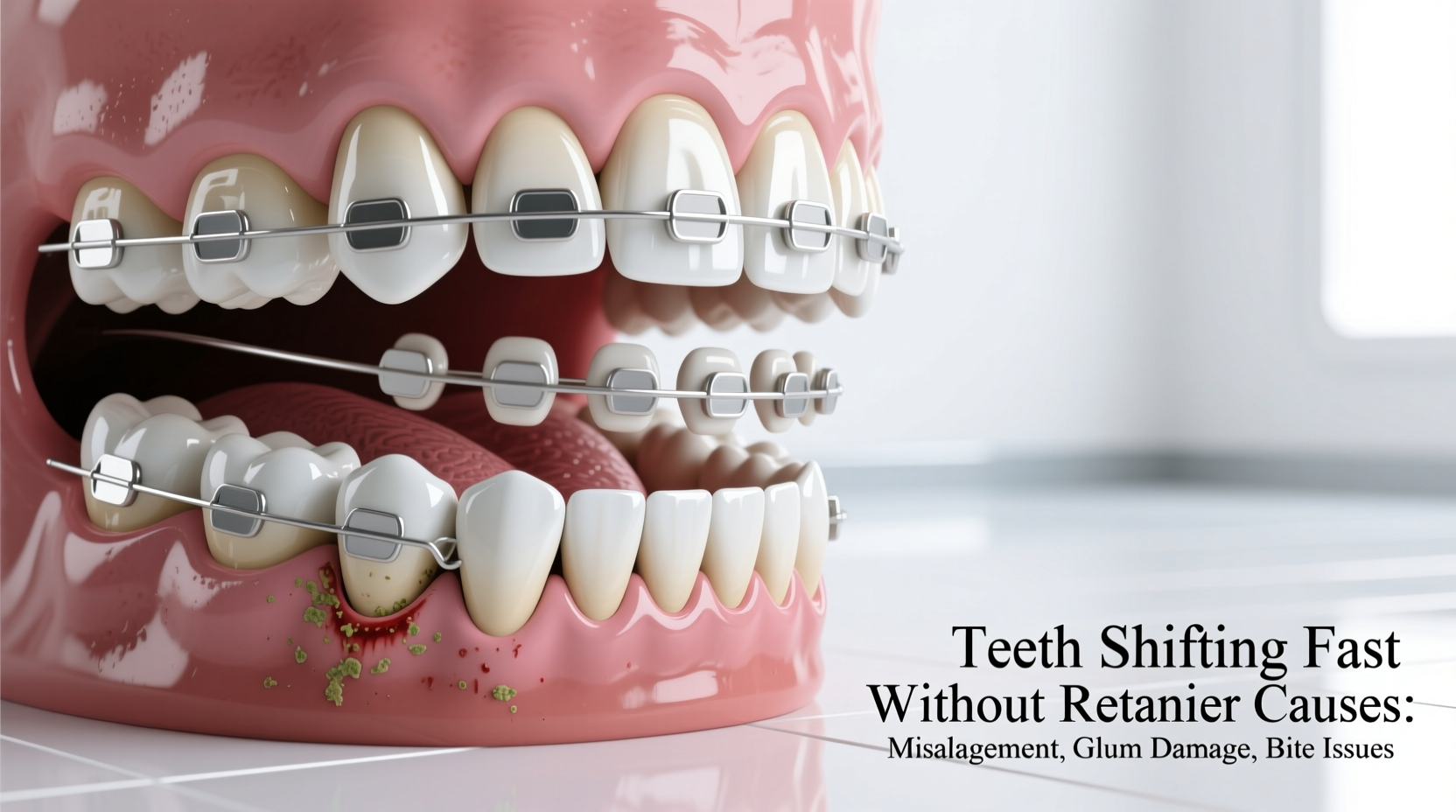
Orthodontic treatment works by applying consistent pressure to move teeth into desired positions. However, the surrounding ligaments, gums, and bone need time to adapt to these new arrangements. This adaptation process, known as “settling,” can take months—even years. During this period, the natural forces from chewing, speaking, and even tongue pressure constantly challenge the stability of your newly aligned teeth.
Retainers are designed to hold teeth in place while the periodontal structures stabilize. When you stop wearing your retainer, especially after recent braces removal, there’s nothing to counteract the biological memory of your teeth—the tendency to drift back toward their original positions. This phenomenon is medically referred to as relapse.
“Even after two years, I’ve seen patients experience significant shifting just three weeks after discontinuing retainer use. The mouth is dynamic, and teeth will respond to unopposed forces.” — Dr. Lena Torres, Board-Certified Orthodontist
Signs Your Teeth Are Shifting
Not all tooth movement is immediately visible. Some changes start subtly but progress quickly. Watch for these key indicators:
- A tight or uncomfortable feeling when placing your retainer (if you still have one)
- Gaps appearing between previously closed teeth
- Overlapping or crowding of front teeth
- Changes in your bite—difficulty closing your teeth together evenly
- Pain or pressure in certain areas when chewing
- Speech changes, such as slight lisping
What to Do If Your Teeth Are Shifting
Discovering that your teeth are moving can be alarming, but immediate action can mitigate further damage and reduce the need for extensive realignment. Follow this step-by-step guide:
Step 1: Stop Forcing the Retainer
If your retainer doesn’t fit comfortably, forcing it may damage your teeth or soft tissues. It won’t “push” your teeth back into place safely. Instead, set it aside and assess the situation calmly.
Step 2: Contact Your Orthodontist Immediately
Time is critical. The sooner you consult a professional, the better your chances of minimizing relapse. Most orthodontists recommend an evaluation within one to two weeks of noticing changes.
Step 3: Schedule a Clinical Evaluation
Your orthodontist will examine your bite, take impressions or digital scans, and determine the extent of shifting. They’ll evaluate whether minor adjustments or full retreatment are needed.
Step 4: Discuss Retreatment Options
Depending on severity, options may include:
- Wearing a new custom retainer to gently reposition teeth
- Using clear aligners (like Invisalign) for moderate relapse
- Reapplying braces for significant misalignment
Step 5: Re-establish a Retention Routine
Once alignment is corrected, strict adherence to retainer wear is non-negotiable. Many patients who experience relapse once are more likely to do so again without consistent retention.
Prevention: How to Avoid Future Shifting
Preventing relapse is far easier—and less expensive—than correcting it. Consider these best practices for long-term stability:
| Do | Don’t |
|---|---|
| Wear your retainer as prescribed (often full-time initially, then nightly) | Go more than a few days without wearing your retainer after treatment ends |
| Clean your retainer daily with a soft brush and mild soap | Use hot water or abrasive cleaners that can warp or damage retainers |
| Keep a spare retainer in case of loss or breakage | Assume permanent results without ongoing retention |
| Visit your orthodontist annually for a retention check-up | Ignore small changes in fit or comfort |
Types of Retainers and Their Effectiveness
Different retainers offer varying levels of protection and convenience:
- Hawley Retainers: Adjustable, durable, and visible. Ideal for patients needing minor adjustments over time.
- Essix (Clear Plastic) Retainers: Nearly invisible but can wear down faster. Must be replaced every 6–12 months with regular use.
- Fixed (Bonded) Retainers: Wires bonded behind front teeth. Excellent for preventing lower incisor shifting but require meticulous flossing.
Real-Life Example: A Preventable Relapse
Samantha, age 24, completed her two-year Invisalign treatment and received clear Essix retainers. She wore them diligently for six months but gradually reduced use to only a few nights a week. By month ten, she noticed a gap forming between her front teeth. When she tried to wear her retainer, it wouldn’t seat fully and caused pain.
She waited another three weeks before calling her orthodontist. Scans revealed a 2mm shift in her upper anterior teeth and a developing open bite. Her orthodontist prescribed a new set of three-month aligners to close the gap, followed by a new retainer and a strict nightly wear schedule. Total cost: $850 and three months of additional treatment.
Had Samantha acted at the first sign of discomfort, she might have avoided aligners altogether and simply transitioned to a new retainer.
Frequently Asked Questions
Can teeth shift in just one week without a retainer?
While major movement is unlikely in a single week, microscopic shifts begin almost immediately. After braces or aligners, the risk is highest in the first year. Even short breaks in retainer wear can accumulate into noticeable changes over time.
Is it too late to fix my teeth if they’ve shifted?
No, it’s rarely too late. Mild to moderate relapse can often be corrected with new retainers or short-term aligner therapy. Severe cases may require braces, but most patients respond well to retreatment. The key is acting early.
Do I really need to wear a retainer forever?
Most orthodontists recommend lifelong nighttime retainer wear. Teeth continue to shift naturally with age due to changes in jawbone density and oral muscle pressures. Lifelong retention is the most effective way to preserve your orthodontic investment.
Final Steps: Protect Your Smile Long-Term
Teeth shifting without a retainer isn’t just a cosmetic concern—it can affect your bite, lead to jaw pain, increase the risk of tooth decay due to harder-to-clean overlaps, and compromise overall oral health. The good news is that relapse is largely preventable with consistent care and vigilance.
If you’ve already noticed changes, don’t wait. Contact your orthodontist now. Delaying treatment only increases complexity and cost. And if you're currently in retention, treat your retainer like a non-negotiable part of your daily routine—because your smile depends on it.
💬 Your smile is worth protecting. Share this article with someone who stopped wearing their retainer—or commit today to never skip another night. Have questions or experiences to share? Leave a comment below.








