Spironolactone, a medication originally developed as a diuretic, has become a cornerstone in treating hormonal acne, hirsutism, and certain types of heart failure and hypertension. For many patients—especially women managing acne or polycystic ovary syndrome (PCOS)—timing the dose correctly can mean the difference between consistent improvement and frustrating side effects. A common question arises: Is night the best time to take spironolactone? The answer isn’t universal, but evidence and clinical experience suggest that evening dosing often offers distinct advantages.
Why Timing Matters with Spironolactone
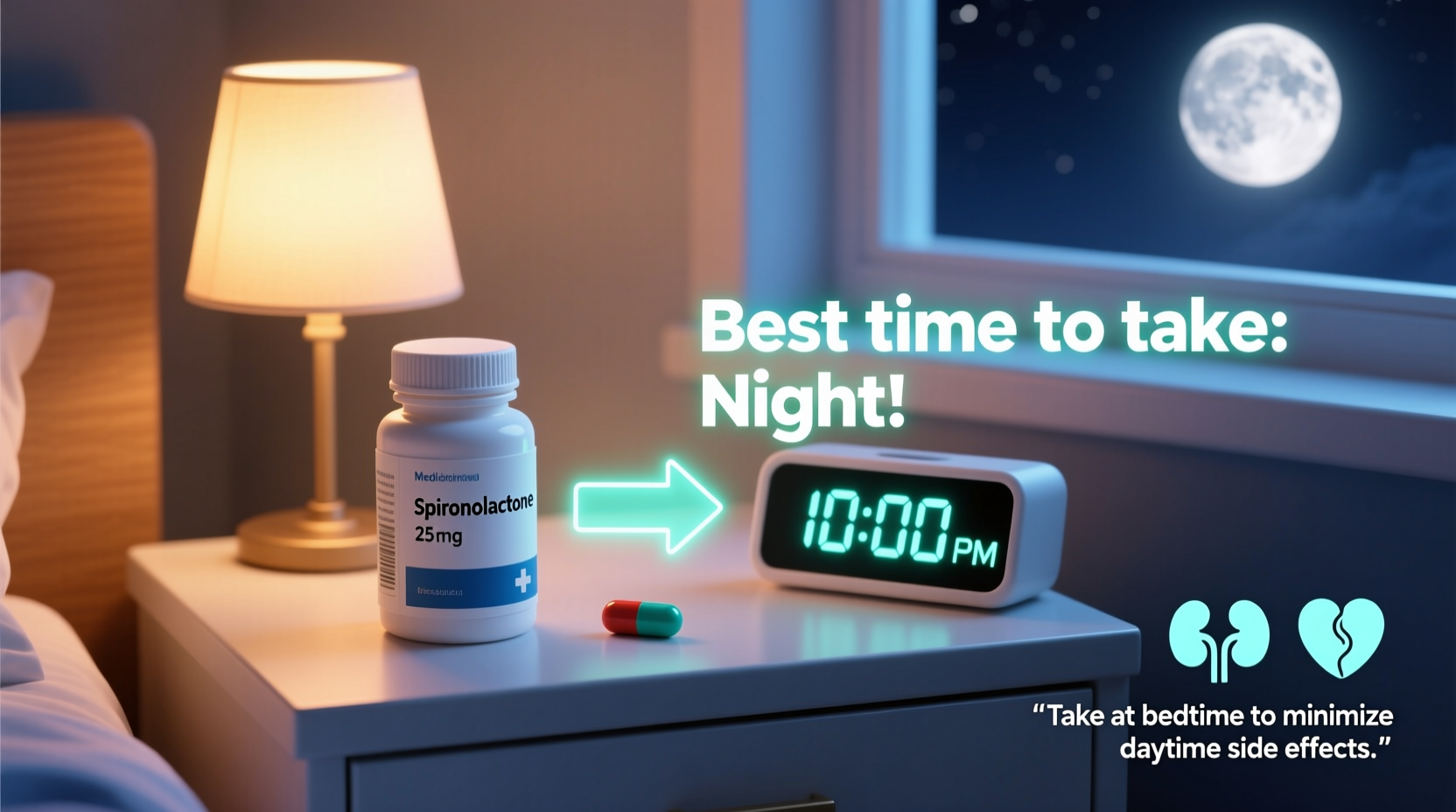
Spironolactone works by blocking aldosterone and androgen receptors, reducing fluid retention and lowering the impact of male hormones like testosterone. Because it’s a potassium-sparing diuretic, one of its primary side effects is increased urination. This effect typically begins within two hours of ingestion and can last up to eight hours. Taking it during the day may lead to frequent bathroom trips, disrupting work, social activities, or concentration.
Beyond the diuretic effect, spironolactone can cause dizziness or lightheadedness—especially when standing up quickly—due to lowered blood pressure. These symptoms are more manageable at night when you’re less active and preparing to rest.
Tip: If you experience frequent urination or dizziness, consider shifting your dose to bedtime to minimize daytime disruptions.Benefits of Taking Spironolactone at Night
Taking spironolactone in the evening aligns with the body’s natural rhythms and helps mitigate common side effects. Here’s why nighttime dosing is frequently recommended:
- Reduced disruption from diuresis: Increased urination peaks 3–5 hours after ingestion. At night, this often coincides with normal sleep cycles, reducing the urge to interrupt daily routines.
- Better tolerance of dizziness: Orthostatic hypotension (a sudden drop in blood pressure upon standing) is more easily managed when lying down or preparing for bed.
- Improved consistency: Many people find it easier to remember a single nightly dose as part of a bedtime routine.
- Potential synergy with circadian hormone fluctuations: Androgen levels exhibit mild diurnal variation, and evening dosing may provide more stable receptor blockade overnight.
“Many of my patients report fewer side effects and better adherence when they switch spironolactone to bedtime. It’s not just about convenience—it’s about minimizing interference with quality of life.” — Dr. Lena Patel, Board-Certified Dermatologist
When Daytime Dosing Might Be Preferable
While nighttime administration works well for most, some individuals benefit from morning or split dosing. This is particularly true for those on higher doses (e.g., 100 mg or more per day). Splitting the dose—half in the morning, half at night—can reduce the peak diuretic effect while maintaining steady drug levels.
Patients using spironolactone for heart-related conditions may be advised to take it in the morning under close medical supervision, especially if they're also on other antihypertensives. In these cases, avoiding excessive nocturnal drops in blood pressure is crucial.
| Dosing Schedule | Best For | Potential Drawbacks |
|---|---|---|
| Night (once daily) | Hormonal acne, PCOS, sensitive to side effects | Mild nocturia possible; requires consistent sleep schedule |
| Morning (once daily) | Heart failure, combined with other morning meds | Increased daytime urination; possible fatigue |
| Morning + Night (split dose) | High-dose therapy (75–100 mg/day) | More complex routine; potential for missed doses |
Step-by-Step Guide to Optimizing Your Spironolactone Routine
Finding the ideal time to take spironolactone involves personalization. Follow this timeline to determine what works best for you:
- Week 1: Start at night – Begin with your prescribed dose at bedtime (e.g., 8–10 PM). Monitor urination frequency and any dizziness.
- Week 2: Track symptoms – Keep a simple journal noting sleep quality, bathroom visits, energy levels, and skin changes.
- Week 3: Evaluate tolerance – If you wake up only once or not at all to urinate and feel no dizziness, continue the night dose.
- Week 4: Adjust if needed – If nocturia persists or you feel groggy, consult your doctor about splitting the dose or switching to morning intake.
- Ongoing: Reassess monthly – Hormonal responses build over weeks. Continue monitoring both benefits and side effects.
Real-Life Example: Managing Acne Without Disrupting Daily Life
Samantha, a 28-year-old graphic designer, was prescribed 50 mg of spironolactone daily for persistent jawline acne. She initially took it in the morning but found herself making repeated bathroom trips during client meetings. She also experienced mild dizziness around noon, affecting her focus. After discussing this with her dermatologist, she switched to taking the pill at 9 PM with dinner. Within a week, her urinary frequency during work hours dropped significantly, and her energy stabilized. Over three months, her acne improved by 70%, and she reported greater satisfaction with her treatment plan.
This case illustrates how a simple timing adjustment can enhance both comfort and compliance—key factors in long-term success.
Important Considerations and Safety Tips
While timing is important, several other factors influence how well spironolactone works and how safely it can be used:
- Potassium levels: Spironolactone increases potassium retention. Avoid high-potassium foods (like bananas, spinach, and salt substitutes) in excess unless approved by your doctor.
- Drug interactions: NSAIDs (e.g., ibuprofen), ACE inhibitors, and potassium supplements can increase the risk of hyperkalemia (high potassium).
- Monitoring: Regular blood tests to check kidney function and electrolytes are recommended, especially in the first few months.
- Pregnancy: Spironolactone is contraindicated in pregnancy due to potential feminizing effects on a male fetus. Reliable contraception is essential.
Checklist: Optimizing Your Spironolactone Regimen
- ✅ Discuss ideal dosing time with your prescribing provider
- ✅ Start with nighttime dosing unless otherwise directed
- ✅ Monitor for increased urination, dizziness, or fatigue
- ✅ Avoid potassium-rich supplements without medical approval
- ✅ Schedule follow-up blood work as recommended
- ✅ Use effective birth control if sexually active and capable of pregnancy
- ✅ Keep a symptom log for the first 4–8 weeks
Frequently Asked Questions
Can I take spironolactone with food?
Yes. Taking spironolactone with food or a glass of water can help prevent stomach upset and improve absorption. There’s no strict requirement, but consistency matters more than timing relative to meals.
What if I forget my dose at night?
If you miss a dose, take it as soon as you remember. However, if it’s already the next morning, skip the missed dose and resume your regular schedule. Do not double up, as this increases the risk of dizziness and electrolyte imbalance.
How long does it take for spironolactone to work for acne?
Most patients begin to see improvements in acne after 6–8 weeks, with optimal results appearing around 3–6 months. Patience and consistency are key—effects build gradually as hormone receptors are modulated.
Final Thoughts: Make Timing Work for You
The question “Is night the best time to take spironolactone?” doesn’t have a one-size-fits-all answer, but for the majority of users—especially those treating hormonal skin conditions—the evening offers clear advantages. By reducing daytime disruptions and improving side effect tolerance, nighttime dosing supports better adherence and, ultimately, better outcomes.
Your body’s response is unique. What matters most is finding a routine that fits seamlessly into your life while maximizing therapeutic benefit and safety. Whether you choose night, morning, or split dosing, do so with intention and guidance from your healthcare provider.
💬 Have experience with spironolactone timing? Share your story or tips in the comments—your insight could help someone else find their ideal routine.








