
A sore neck is a widespread complaint affecting millions of people each year. Whether it’s a dull ache, sharp pain, or stiffness that limits movement, neck discomfort can interfere with daily activities, sleep, and concentration. While many cases resolve on their own with rest and self-care, others signal underlying conditions requiring professional evaluation. Understanding the root causes and knowing when to act can prevent long-term complications and improve quality of life.
Common Causes of Neck Pain
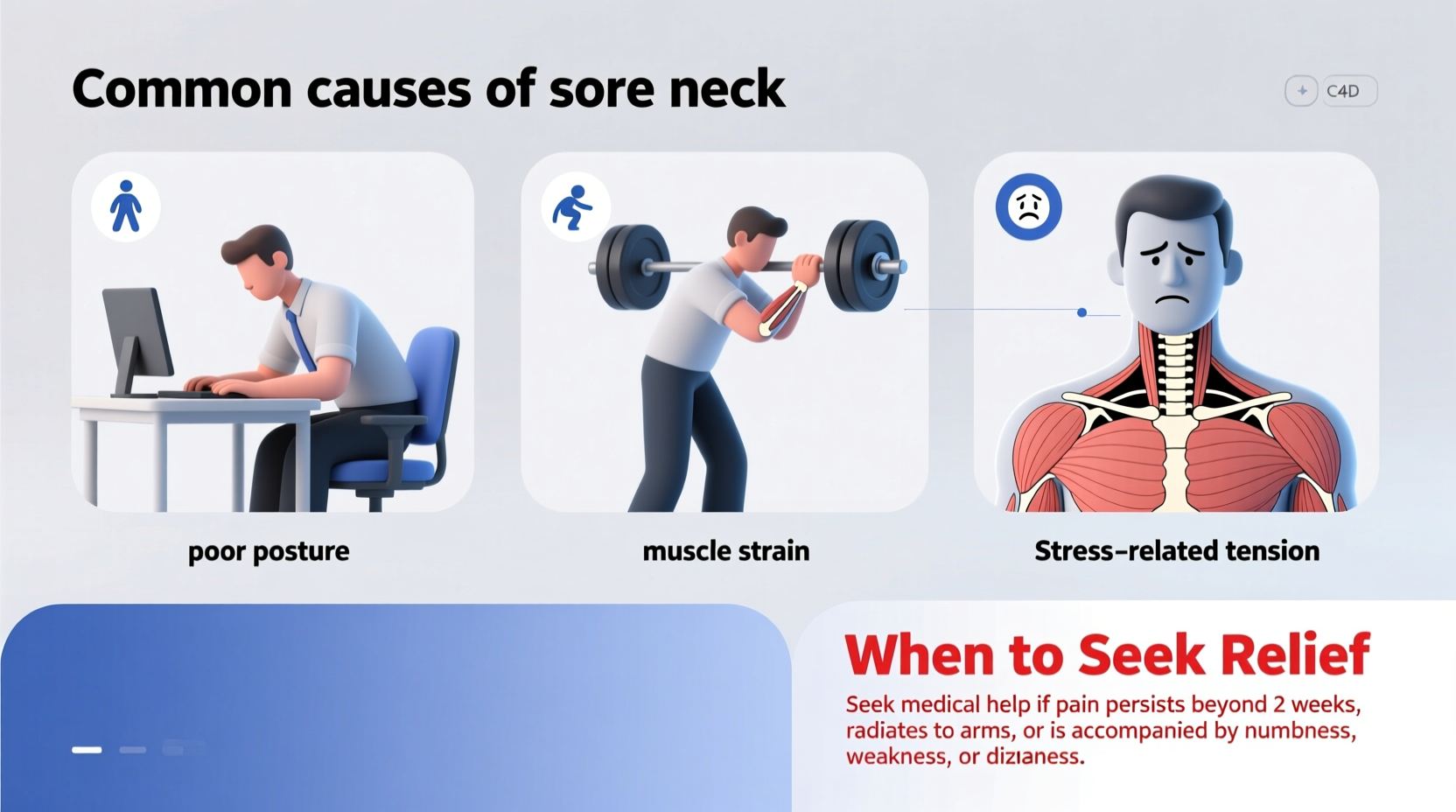
Neck pain rarely appears without reason. Most cases stem from mechanical strain, poor habits, or underlying health issues. Identifying the cause is the first step toward effective relief.
- Poor posture: Slouching over a desk, craning the neck forward while using a phone (often called \"text neck\"), or sitting for prolonged periods with improper spinal alignment places excessive strain on cervical muscles and joints.
- Muscle strain: Overuse, sudden movements, or holding the neck in an awkward position—such as sleeping with too many pillows—can lead to muscle fatigue and micro-tears.
- Cervical spine degeneration: As we age, discs between vertebrae lose hydration and height, leading to osteoarthritis or bone spurs. This wear-and-tear process, known as cervical spondylosis, often contributes to chronic stiffness and pain.
- Whiplash injuries: Common after car accidents, whiplash occurs when the head snaps forward and backward violently, straining muscles, ligaments, and nerves in the neck.
- Nerve compression: Herniated discs or spinal stenosis can press on nerve roots, causing radiating pain, numbness, or tingling down the arm—a condition known as cervical radiculopathy.
- Stress and tension: Emotional stress triggers muscle tightening, especially in the shoulders and upper back, which can refer pain into the neck.
When Home Care Is Enough—and When It’s Not
Mild neck soreness often improves within a few days with conservative measures. However, persistent or worsening symptoms may indicate a more serious issue.
Self-Care That Works
For minor strains, try these evidence-based approaches:
- Apply ice packs for the first 48 hours to reduce inflammation, then switch to heat to relax tight muscles.
- Gently stretch the neck by tilting the head side to side and rotating slowly.
- Use over-the-counter pain relievers like ibuprofen or acetaminophen as needed.
- Practice good posture and avoid activities that aggravate the pain, such as prolonged smartphone use.
Red Flags Requiring Medical Attention
Certain symptoms should never be ignored. Seek immediate care if you experience:
- Severe pain following trauma (e.g., fall or accident)
- Numbness, weakness, or tingling in the arms or hands
- Loss of coordination or difficulty walking
- Fever, headache, or stiff neck—possible signs of meningitis
- Pain that persists beyond 2–3 weeks despite self-care
“Persistent neck pain with neurological symptoms like arm weakness or loss of dexterity warrants imaging and specialist evaluation. Early intervention can prevent permanent nerve damage.” — Dr. Alan Reyes, Neurologist and Spine Specialist
Step-by-Step Guide to Immediate Relief
If you wake up with a stiff neck or feel discomfort building during the day, follow this timeline to manage symptoms effectively:
- Day 1 – Rest and Ice: Avoid strenuous activity. Apply an ice pack wrapped in a cloth for 15 minutes every hour during waking hours.
- Day 2–3 – Gentle Movement: Begin gentle range-of-motion exercises. Slowly tilt your ear to each shoulder and rotate your head left and right. Stop if pain increases.
- Day 4–7 – Heat and Stretch: Use a heating pad for 20 minutes twice daily. Incorporate light stretches and consider a massage or foam rolling of the upper back.
- Week 2 – Evaluate Progress: If pain hasn’t improved by 10–14 days, consult a healthcare provider. Consider physical therapy for guided rehabilitation.
Do’s and Don’ts: Managing Neck Discomfort
| Do | Don't |
|---|---|
| Sleep with a supportive pillow that keeps your neck aligned with your spine | Use multiple fluffy pillows that elevate your head too high |
| Take frequent breaks from sitting to stand and stretch | Work for hours without moving or adjusting posture |
| Carry weight evenly—use backpacks instead of single-strap bags | Carry heavy purses or briefcases on one shoulder |
| Stay hydrated and maintain overall fitness | Ignore persistent pain hoping it will “go away” |
Real-Life Example: Office Worker’s Recovery Journey
Marissa, a 34-year-old graphic designer, began experiencing daily neck stiffness and occasional headaches after transitioning to remote work. Her desk was set up on a kitchen counter, forcing her to look down at her laptop for eight hours a day. After two months, the pain radiated into her right shoulder.
She started with ice and OTC painkillers but saw no improvement. A visit to a physical therapist revealed forward head posture and weakened deep neck flexors. Marissa adjusted her workspace with a laptop riser and external keyboard, began daily posture exercises, and scheduled regular stretching breaks. Within six weeks, her pain decreased significantly, and she regained full mobility.
Her case highlights how small ergonomic changes, combined with targeted movement, can reverse chronic strain.
Checklist: Preventing Recurring Neck Pain
Prevention is key to avoiding repeated episodes. Use this checklist to protect your neck long-term:
- ✅ Position computer monitors at eye level
- ✅ Use an ergonomic chair with lumbar support
- ✅ Practice chin tucks and shoulder blade squeezes daily
- ✅ Limit screen time and take stretch breaks every 30–60 minutes
- ✅ Choose a pillow that supports the natural curve of your neck
- ✅ Stay active—regular exercise improves spinal strength and flexibility
- ✅ Manage stress through mindfulness, breathing, or yoga
Frequently Asked Questions
Can a pinched nerve cause neck pain without arm symptoms?
Yes. While many people associate pinched nerves with radiating arm pain, some experience localized neck discomfort, muscle tightness, or headaches. Imaging tests like MRI are often needed for accurate diagnosis.
Is it safe to crack my own neck when it feels stiff?
Self-manipulation carries risks. Forceful twisting can irritate joints or damage blood vessels in the neck. It’s safer to seek care from a licensed chiropractor or physical therapist trained in spinal mobilization.
How long does a typical neck strain last?
Most mild strains resolve within 1 to 2 weeks with proper care. Chronic pain lasting longer than 3 months may require further investigation for structural or systemic causes.
Conclusion: Take Action Before Pain Worsens
A sore neck is more than just an inconvenience—it can disrupt sleep, impair focus, and reduce mobility. While everyday strain is common, ignoring persistent symptoms can lead to chronic issues. By understanding the causes, applying smart self-care, and recognizing warning signs, you can regain comfort and prevent future flare-ups. Small changes in posture, workspace setup, and daily habits make a significant difference over time.
🚀 Your neck supports your head every moment of the day—start treating it with the care it deserves. Assess your habits today, make one positive change, and share this guide with someone who’s been complaining about neck pain.








