At 39 weeks pregnant, many expectant mothers find themselves eager for labor to begin. The final stretch of pregnancy can bring discomfort, fatigue, and anticipation. While medical induction is an option, some women prefer natural approaches to gently encourage labor onset. It’s important to understand which methods are supported by evidence, which are safe, and when to involve your healthcare provider. This guide provides practical, science-backed insights into safe and effective ways to promote labor naturally at 39 weeks—without compromising maternal or fetal well-being.
Understanding Labor Readiness at 39 Weeks
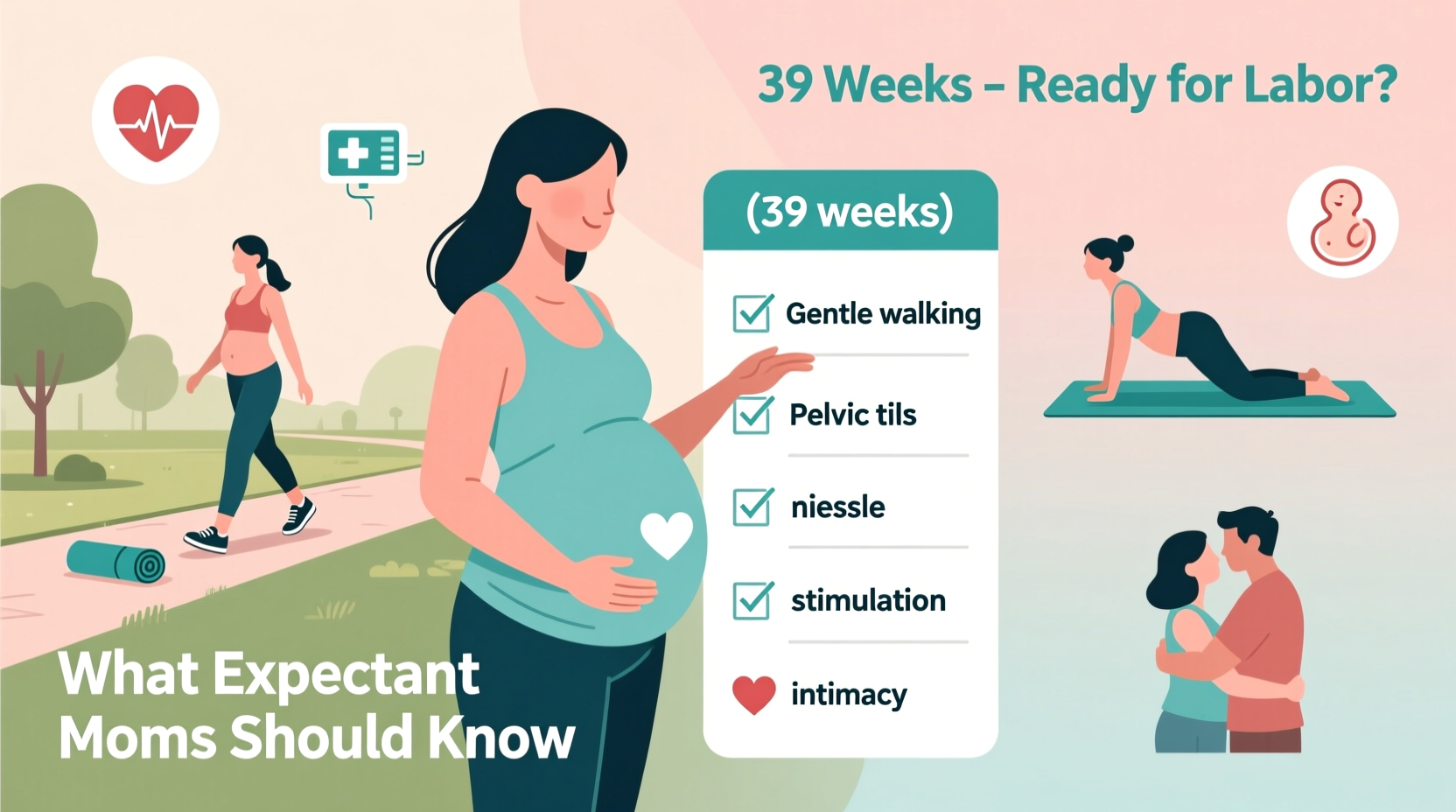
By 39 weeks, most pregnancies are considered full-term. The baby’s lungs, brain, and other vital systems are typically mature enough for life outside the womb. However, only about 5% of babies arrive exactly on their due date. Many healthy pregnancies extend slightly beyond 39 weeks without concern.
Labor initiation is a complex process involving hormonal shifts, cervical changes, and uterine readiness. Natural labor stimulation works best when the body is already preparing for birth. Methods that may be ineffective—or even risky—before the body is ready can become more appropriate once both mother and baby are at optimal readiness.
“At 39 weeks, the cervix often begins softening and dilating slightly in preparation. This is nature’s way of signaling readiness. Gentle encouragement can support this process—but should never override clinical judgment.” — Dr. Alicia Mendez, OB-GYN and Maternal Health Specialist
Evidence-Based Natural Methods to Encourage Labor
Several natural techniques have been studied for their potential to promote labor onset. While none guarantee immediate results, some show promise when used appropriately:
- Walking and light physical activity: Upright movement uses gravity to help the baby descend into the pelvis, applying pressure to the cervix and potentially stimulating contractions.
- Nipple stimulation: Releases oxytocin, the hormone responsible for uterine contractions. Ten-minute sessions with breaks in between may trigger early labor patterns.
- Sexual intercourse: Semen contains prostaglandins, which can help ripen the cervix. Orgasms may also induce mild contractions.
- Raspberry leaf tea: Often used in late pregnancy to tone the uterine muscles. Some studies suggest it may reduce the need for interventions, though it doesn’t reliably start labor.
- Acupuncture and acupressure: Specific points like LI4 (Hegu) and SP6 (Sanyinjiao) are traditionally used to prepare the body for labor. Clinical trials show mixed but generally positive outcomes.
Step-by-Step Guide: A Safe 48-Hour Plan to Gently Encourage Labor
If you're past 39 weeks and feeling ready, follow this structured, low-risk approach over two days:
- Day 1 – Morning: Begin with a 30-minute walk at a moderate pace. Stay hydrated and wear supportive shoes.
- Day 1 – Afternoon: Drink one cup of red raspberry leaf tea (standardized brand, no added herbs). Avoid excessive amounts.
- Day 1 – Evening: Practice gentle acupressure on SP6 (located above the ankle) for 5 minutes per side, followed by rest.
- Day 2 – Morning: Engage in sexual activity if comfortable and medically cleared.
- Day 2 – Midday: Perform 3 rounds of nipple stimulation—10 seconds on, 10 seconds off, for 15 minutes total, with 30-minute breaks between sessions.
- Ongoing: Monitor fetal movements and avoid exhaustion. Stop immediately if contractions become regular, intense, or concerning.
This plan prioritizes safety and moderation. It does not replace medical evaluation but may complement your body’s natural transition into labor.
What Not to Do: Common Myths and Unsafe Practices
Despite widespread advice online, certain methods lack scientific backing or pose real risks. Avoid these practices entirely:
| Method | Why It’s Risky or Ineffective |
|---|---|
| Castor oil | Causes severe gastrointestinal distress; may lead to premature contractions or fetal stress. |
| Pineapple (bromelain) | No reliable evidence it induces labor; large quantities may cause diarrhea. |
| Essential oils (undiluted or unverified blends) | Some oils are uterine stimulants and unsafe in pregnancy; can affect fetal heart rate. |
| Herbal supplements (e.g., blue cohosh, black cohosh) | Linked to liver toxicity and fetal complications; not recommended without medical supervision. |
| Excessive exercise or squatting with weights | May strain joints or pelvic floor; no proven benefit for labor onset. |
Mini Case Study: Sarah’s Experience at 39 Weeks
Sarah, 32, was 39 weeks and 4 days pregnant with her second child. Feeling fatigued and experiencing frequent Braxton Hicks contractions, she discussed natural labor options with her midwife. She began walking 2 miles daily, drank raspberry leaf tea twice a day, and had intercourse with her partner. On day three, she started mild, irregular contractions that progressed into active labor by evening. Her baby was born vaginally 12 hours later, weighing 7 lbs 10 oz.
Her midwife noted that Sarah’s cervix was already 1 cm dilated and 50% effaced before starting the protocol—indicating her body was primed for labor. The natural methods likely supported, rather than initiated, the process.
Checklist: Preparing to Encourage Labor Naturally
Before attempting any labor-inducing technique, ensure the following:
- ✅ You are at least 39 weeks gestation
- ✅ Your healthcare provider has confirmed the baby is head-down and healthy
- ✅ There are no complications (e.g., high blood pressure, diabetes, bleeding)
- ✅ Your cervix shows signs of readiness (softening, slight dilation)
- ✅ You have discussed your plans with your doctor or midwife
- ✅ You can recognize warning signs (reduced fetal movement, vaginal bleeding, severe pain)
- ✅ You have a way to contact your care team quickly if needed
Frequently Asked Questions
Can walking really start labor?
While walking alone won’t “start” labor in an unprepared uterus, it can help position the baby and increase pelvic pressure, which may stimulate contractions if the body is already near readiness. It’s one of the safest and most recommended activities in late pregnancy.
Is it safe to try natural methods at home?
Yes, if done gently and under the guidance of your healthcare provider. Mild methods like walking, sex, and nipple stimulation are generally safe for low-risk pregnancies. However, never attempt aggressive techniques or unregulated supplements without professional approval.
When should I stop trying natural methods?
Stop and contact your provider if you experience regular, painful contractions before 40 weeks, decreased fetal movement, fluid leakage, or any bleeding. Also discontinue if you feel unwell, overly fatigued, or anxious about the process.
Final Thoughts: Patience, Preparation, and Partnership
The final days of pregnancy are a time to focus on comfort, readiness, and emotional preparation. While it’s natural to want to speed up labor, the safest approach is one that respects your body’s timeline and your provider’s expertise. The methods discussed here are intended to support—not force—your body’s innate ability to birth your baby.
Every pregnancy is unique. What works for one woman may not work for another. The key is informed choice, open communication with your care team, and listening closely to your body. Trust that when the time is right, labor will begin—and you’ll be ready.
💬 Have questions or experiences to share? Join the conversation below—we’d love to hear how you prepared for labor and what helped you feel empowered during this transformative time.








