
For athletes, bodybuilders, and fitness enthusiasts, the pursuit of peak performance often leads to difficult choices. While anabolic steroids can accelerate muscle growth and strength, their long-term use comes with serious health consequences—including liver damage, hormonal imbalances, cardiovascular issues, and psychological side effects. As awareness grows, more people are seeking reliable, legal, and sustainable substitutes that deliver results without compromising well-being. The good news is that science-backed alternatives exist, offering measurable gains in strength, endurance, and recovery through natural pathways.
Natural Supplements That Support Muscle Growth
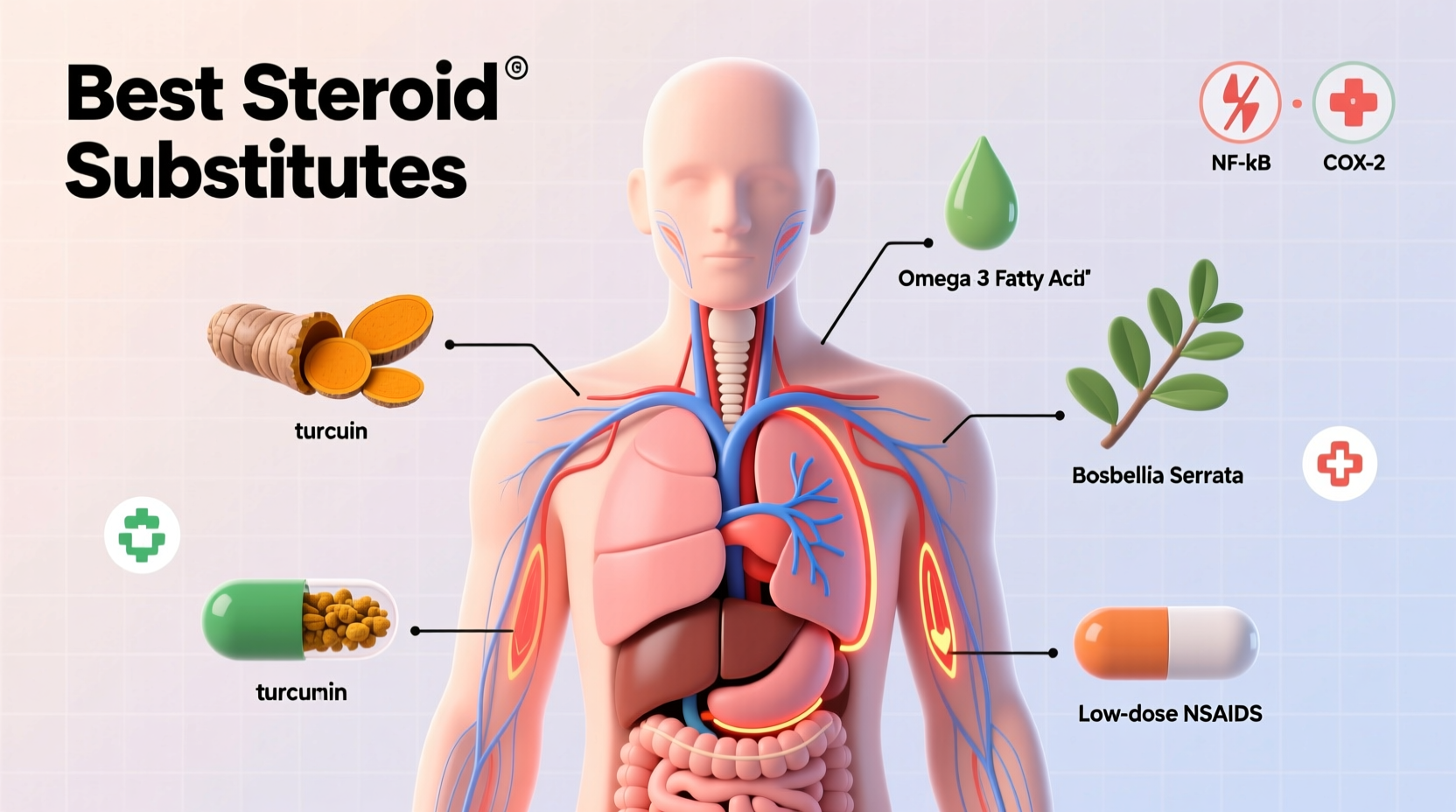
Certain supplements have been extensively studied for their ability to enhance physical performance by supporting testosterone production, protein synthesis, and energy metabolism. These are not miracle drugs, but when combined with proper training and nutrition, they produce meaningful improvements over time.
- Creatine Monohydrate: One of the most researched supplements in sports science, creatine increases phosphocreatine stores in muscles, improving strength, power output, and recovery between sets.
- Beta-Alanine: Helps buffer acid in muscles, delaying fatigue during high-intensity workouts. Often paired with creatine for synergistic effects.
- Branched-Chain Amino Acids (BCAAs): Leucine, isoleucine, and valine support muscle protein synthesis and reduce exercise-induced muscle breakdown.
- Vitamin D and Zinc: Both play crucial roles in testosterone regulation. Deficiencies in either can impair muscle development and recovery.
- Fenugreek and Ashwagandha: Adaptogenic herbs shown in clinical studies to support healthy testosterone levels and reduce cortisol, the stress hormone that can hinder muscle growth.
Performance-Enhancing Alternatives: How Do They Compare?
Not all substitutes are created equal. Some mimic steroid-like effects through indirect mechanisms, while others focus on optimizing natural physiology. The table below compares popular alternatives based on efficacy, safety, and scientific support.
| Substitute | Mechanism | Efficacy (Research Backing) | Safety Profile |
|---|---|---|---|
| Creatine Monohydrate | Boosts ATP regeneration | ★★★★★ (Extensive) | Excellent (when used as directed) |
| Ashwagandha Root Extract | Reduces cortisol, supports testosterone | ★★★★☆ (Strong clinical evidence) | Very Good |
| Tribulus Terrestris | Potential testosterone modulation | ★★☆☆☆ (Mixed results) | Good |
| Beta-Alanine | Increases carnosine in muscles | ★★★★☆ (Well-documented) | Very Good |
| Peptide Therapy (e.g., TB-500, CJC-1295) | Stimulates tissue repair and growth hormone release | ★★★☆☆ (Emerging, limited long-term data) | Fair (requires medical supervision) |
“Natural doesn’t always mean safe, and effective doesn’t mean risk-free. The goal should be sustainable progress—not shortcuts that compromise long-term health.” — Dr. Marcus Lin, Sports Endocrinologist
Step-by-Step Guide to Transitioning Off Steroids Safely
For individuals currently using or recovering from steroid cycles, transitioning to natural alternatives requires a structured approach to preserve gains and restore hormonal balance.
- Consult a healthcare provider: Begin with blood work to assess testosterone, liver enzymes, cholesterol, and thyroid function.
- Implement Post-Cycle Therapy (PCT): Use evidence-based agents like clomiphene or tamoxifen under medical supervision to restart natural testosterone production.
- Introduce natural boosters gradually: Start with ashwagandha, zinc, and vitamin D to support endocrine recovery.
- Optimize training volume: Shift from maximal overload to progressive, periodized programming to maintain muscle mass without excessive strain.
- Track progress monthly: Monitor strength, body composition, energy levels, and mood to adjust the plan accordingly.
Real-World Example: From Steroids to Sustainable Gains
James, a competitive powerlifter in his early 30s, had used multiple steroid cycles over five years to break through plateaus. While he achieved impressive lifts, he began experiencing low libido, irritability, and elevated blood pressure. Concerned about long-term health, he consulted a sports medicine specialist and began a 12-week transition protocol.
He incorporated daily creatine (5g), ashwagandha (600mg), and a structured resistance program focused on compound movements. He also prioritized sleep and reduced alcohol intake. After three months, his total lifting volume increased by 12%, body fat decreased slightly, and blood tests showed normalized testosterone and liver values. Though he didn’t gain mass as rapidly as during steroid cycles, James reported feeling stronger, more energetic, and mentally balanced.
This case illustrates that with discipline and the right tools, it’s possible to maintain performance while moving away from synthetic enhancers.
Key Lifestyle Factors That Amplify Natural Results
No supplement can compensate for poor lifestyle habits. To maximize the effectiveness of steroid alternatives, foundational elements must be in place:
- Nutrition: Consume sufficient protein (1.6–2.2g per kg of body weight), healthy fats, and complex carbohydrates. Prioritize whole foods over processed options.
- Training Consistency: Focus on progressive overload, full range of motion, and recovery between sessions. Overtraining undermines hormonal balance.
- Stress Management: Chronic stress elevates cortisol, which breaks down muscle and suppresses testosterone. Practices like meditation, breathwork, or yoga can help regulate this.
- Hydration: Even mild dehydration reduces strength and endurance. Aim for at least 3 liters of water daily, more if training intensely.
Frequently Asked Questions
Are legal steroid alternatives completely safe?
Most natural substitutes are safe when used appropriately, but “natural” doesn’t guarantee zero risk. Excessive dosages, interactions with medications, or poor-quality products can cause adverse effects. Always choose third-party tested brands and consult a doctor if you have underlying conditions.
How long does it take to see results from natural alternatives?
Unlike steroids, which may show changes in weeks, natural substitutes typically require 6–12 weeks of consistent use alongside proper diet and training to produce noticeable results. Patience and adherence are key.
Can I stack multiple supplements for better results?
Yes, but strategically. Creatine, beta-alanine, and BCAAs are commonly stacked with strong safety profiles. Avoid combining multiple stimulant-based or hormone-modulating products without professional guidance.
Action Plan Checklist
To begin your journey toward safer, sustainable performance enhancement, follow this checklist:
- ✅ Get baseline blood work done (testosterone, liver, lipids)
- ✅ Choose 1–2 well-researched supplements (e.g., creatine + ashwagandha)
- ✅ Design a progressive training program with recovery days
- ✅ Eat at least 1.6g of protein per kg of body weight daily
- ✅ Sleep 7–9 hours per night consistently
- ✅ Reassess progress every 6–8 weeks with photos, measurements, and strength logs
- ✅ Consult a healthcare provider before starting any new regimen
Conclusion: Building Strength the Sustainable Way
The desire for a stronger, leaner, more powerful physique is entirely valid—but so is the responsibility to protect your long-term health. Reliable substitutes for steroids aren’t about deception or quick fixes; they’re about working *with* your body, not against it. Through scientifically supported supplements, intelligent training, and disciplined lifestyle habits, you can achieve impressive results without risking your well-being.
🚀 Ready to build real strength—naturally? Start today by choosing one change: add creatine to your routine, improve your sleep, or schedule a check-up. Small steps lead to lasting transformation.








