
The white potato is one of the most widely consumed vegetables in the world, yet it's often misunderstood. Frequently labeled as a \"starchy carb\" or unfairly grouped with junk food, the white potato is, in fact, a nutrient-dense food that has sustained populations for centuries. When prepared thoughtfully, it delivers essential vitamins, minerals, and complex carbohydrates crucial for energy, digestion, and long-term health. Understanding its true nutritional profile empowers home cooks and health-conscious eaters to make informed decisions—without sacrificing flavor or satisfaction.
Far from being nutritionally empty, a medium-sized white potato (about 150 grams, skin-on, boiled) contains a balanced mix of macronutrients and micronutrients. It’s low in fat, free of cholesterol, and rich in potassium, vitamin C, B6, and dietary fiber. Its reputation suffers more from preparation methods—such as frying or loading with butter and sour cream—than from the inherent qualities of the tuber itself. This article explores the full nutritional value of the white potato, offering practical insights for incorporating it wisely into everyday meals.
Definition & Overview
The white potato (*Solanum tuberosum*) is a starchy tuberous crop grown worldwide as a staple food. Originating in the Andes Mountains of South America over 7,000 years ago, it was domesticated by indigenous peoples before spreading globally following European exploration in the 16th century. Today, it ranks among the top three most-consumed human food crops, alongside rice and wheat.
White potatoes belong to the nightshade family, which includes tomatoes, eggplants, and peppers. They grow underground as modified stems called tubers, developing from the plant’s rhizomes. The \"white\" designation typically refers to both the flesh color and the common culinary category—distinguished from sweet potatoes, yams, red-skinned varieties, or fingerlings—though many white-fleshed potatoes have light tan or yellowish skins.
Culinarily, white potatoes are prized for their mild, earthy flavor and versatile texture. Depending on variety, they can be waxy, mealy, or all-purpose, making them suitable for boiling, mashing, roasting, frying, or baking. Their neutral taste allows them to absorb seasonings and complement a wide range of ingredients, from herbs and garlic to cheeses and smoked meats.
Key Characteristics
| Characteristic | Description |
|---|---|
| Flavor Profile | Mild, earthy, slightly nutty; becomes sweeter when roasted due to caramelization of natural sugars. |
| Aroma | Subtle, vegetal when raw; develops a warm, toasted scent when cooked. |
| Color & Form | Creamy white to pale yellow flesh; skin ranges from light tan to golden brown. Grown in oblong or round shapes. |
| Texture (Cooked) | Varies by type: fluffy when baked (russet), firm when boiled (Yukon Gold), crisp when fried. |
| Shelf Life | 3–5 weeks when stored properly in a cool, dark, well-ventilated place (not refrigerated). |
| Culinary Function | Bulk ingredient, thickener, binder, side dish, base for soups and stews. |
| Heat Level | None — non-pungent and safe for sensitive palates. |
Macronutrient Composition
A medium white potato (approximately 150 grams, boiled with skin) provides the following macronutrients:
- Calories: 130 kcal
- Carbohydrates: 29 grams (including 2 grams of fiber and 1.5 grams of sugar)
- Protein: 3 grams
- Fat: Less than 0.2 grams
The carbohydrate content is primarily composed of starch, much of which is resistant starch when cooled after cooking—a form of fiber that supports gut health by feeding beneficial bacteria in the colon. This makes chilled potato salads not only refreshing but also prebiotic-rich.
Despite its relatively high carbohydrate content, the white potato has a moderate glycemic index (GI) of around 78 (on a scale where glucose = 100), though this varies significantly based on cooking method and accompanying foods. For example, pairing potatoes with protein, healthy fats, or vinegar lowers the overall glycemic response, making them suitable even for individuals managing blood sugar levels.
TIP: To maximize resistant starch, cook potatoes ahead of time and chill them before eating. Reheating does not destroy this beneficial compound.
Vitamins and Minerals
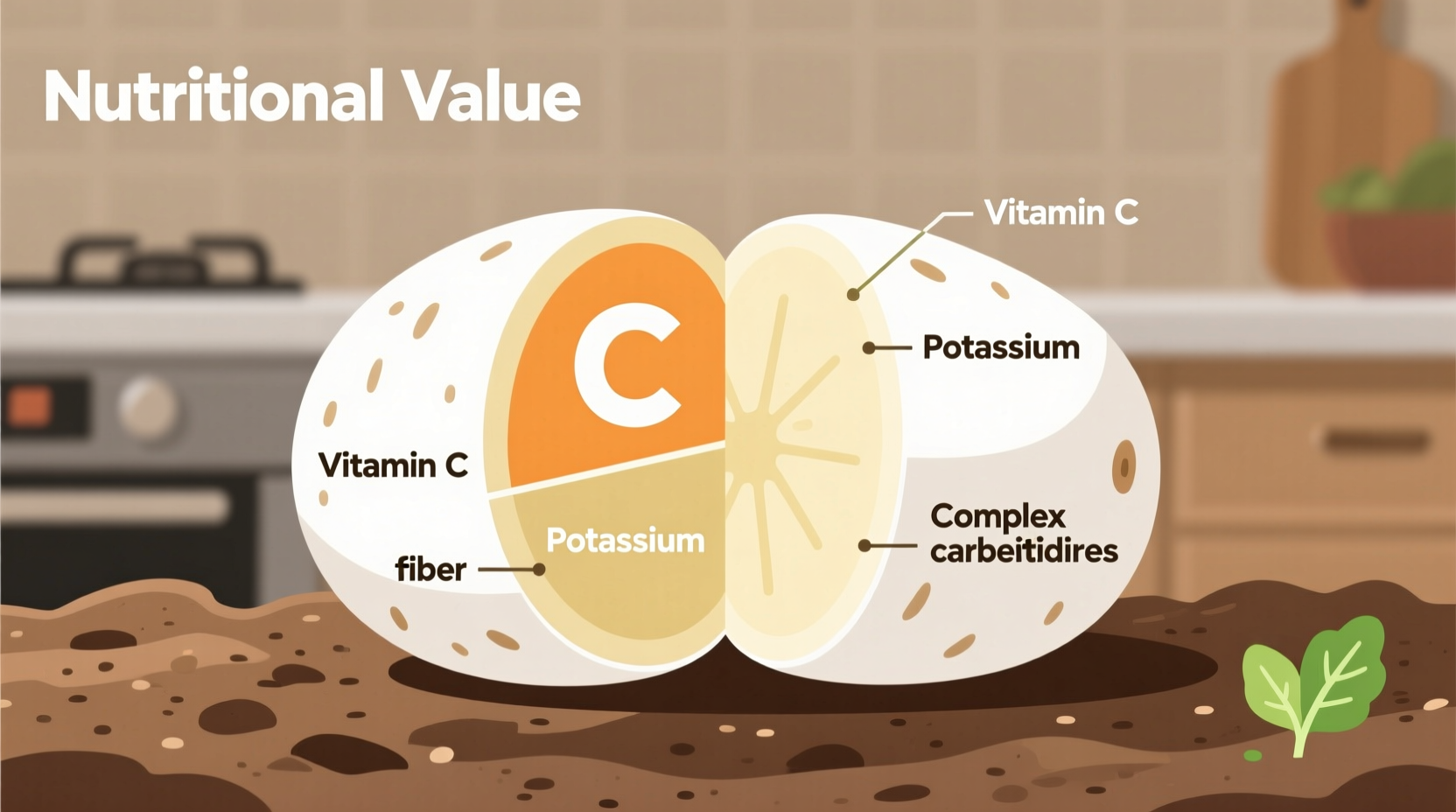
White potatoes are surprisingly rich in several key micronutrients, especially when consumed with the skin:
- Potassium (926 mg per medium potato): More than a banana, supporting heart health, fluid balance, and muscle function.
- Vitamin C (17 mg): About 28% of the Daily Value (DV), vital for immune support and collagen synthesis.
- Vitamin B6 (0.4 mg): Around 20% of the DV, involved in brain development and neurotransmitter production.
- Magnesium (24 mg): Supports nerve and muscle function, energy metabolism, and bone health.
- Iron (1.1 mg): Mild source, especially valuable when paired with vitamin C-rich foods to enhance absorption.
- Folate & Niacin: Present in smaller amounts, contributing to cellular repair and metabolic processes.
“The potato is one of the most underrated sources of potassium in the American diet. One medium spud delivers more potassium than a banana—and without the added sugar.” — Dr. Elena Torres, Registered Dietitian and Food Scientist
Practical Usage in Cooking
The versatility of the white potato lies in its ability to adapt to various textures and flavor profiles depending on preparation. Here are proven ways to use it effectively while preserving its nutritional benefits:
Boiling
Ideal for mashed potatoes, potato salad, or soups. Use Yukon Gold or red-white hybrids for creamier results. Always boil with the skin on to retain nutrients and reduce water absorption. After boiling, cool for at least two hours if making potato salad to increase resistant starch content.
Baking
Russet potatoes yield fluffy interiors perfect for jackets or loaded potatoes. Bake at 400°F (200°C) for 45–60 minutes. Instead of butter and cheese, top with Greek yogurt, steamed broccoli, black beans, or salsa for a high-fiber, protein-rich meal.
Roasting
Cut into wedges or cubes and toss with olive oil, rosemary, garlic, and paprika. Roast at 425°F (220°C) until crispy outside and tender inside. The Maillard reaction enhances flavor without deep frying. For lower fat content, use an air fryer or spray oil lightly.
Sautéing & Pan-Frying
Use thinly sliced or diced potatoes in hash browns, breakfast skillets, or stir-fries. Cook slowly over medium heat to avoid burning. Add onions, bell peppers, spinach, or tofu for a complete plant-forward dish.
Blending into Sauces & Soups
Pureed potatoes thicken chowders, vegan sauces, and dairy-free soups naturally. Replace half the cream in a bisque with boiled potato for a velvety texture and added nutrients.
PRO TIP FOR HOME COOKS: Never discard potato peels. Roast them with salt, pepper, and smoked paprika for a crunchy, fiber-rich snack. Just toss cleaned peels in minimal oil and bake at 400°F until crisp (10–15 minutes).
Variants & Types
Not all white potatoes are the same. Choosing the right type ensures optimal texture and nutritional retention:
| Type | Best Uses | Nutrition Notes |
|---|---|---|
| Russet | Baking, mashing, frying | Highest starch content; fluffy when cooked; excellent for absorbing flavors |
| Yukon Gold | Boiling, roasting, gratins | Buttery flavor; waxier texture holds shape; slightly higher vitamin C |
| White Round / All-Purpose | General cooking, soups, stews | Balanced starch-to-water ratio; reliable across methods |
| Fingerling (some white-fleshed) | Rosasting, grilling, salads | Denser texture; gourmet appeal; rich in antioxidants due to longer growing cycle |
Comparison with Similar Ingredients
White potatoes are often compared—and contrasted—with other root vegetables. Understanding these differences helps refine dietary choices.
| Ingredient | Calories (per 150g) | Key Differences |
|---|---|---|
| White Potato | 130 | Higher potassium, neutral flavor, fluffier texture when baked |
| Sweet Potato | 135 | Higher in beta-carotene (vitamin A), sweeter taste, denser texture |
| Yam | 145 | Drier, starchier; less common in U.S.; often mislabeled as sweet potato |
| Plantain | 170 | Must be cooked; higher sugar when ripe; tropical staple |
| Turnip | 50 | Cruciferous vegetable; peppery note; much lower in carbs |
While sweet potatoes are often promoted as healthier, both tubers offer unique advantages. White potatoes provide more potassium and B6; sweet potatoes excel in vitamin A. Neither is inherently superior—the choice should depend on nutritional goals, recipe needs, and personal preference.
Practical Tips & FAQs
Are white potatoes bad for weight loss?
No. Potatoes have a high satiety index, meaning they keep you full longer than many other carbohydrate sources. In a study published in the *European Journal of Clinical Nutrition*, boiled potatoes ranked highest in satiety among 38 common foods. The issue arises when they're fried or served with high-calorie toppings. Stick to whole, minimally processed preparations for best results.
Can people with diabetes eat white potatoes?
Yes, in moderation and with smart pairings. Combine potatoes with protein (like grilled chicken or lentils) and healthy fats (avocado, olive oil) to slow glucose absorption. Opt for cooling cooked potatoes to increase resistant starch, which improves insulin sensitivity.
How should I store white potatoes?
Keep them in a cool, dark, dry place—ideally between 45°F and 50°F (7–10°C). Avoid plastic bags; use a paper bag or basket with airflow. Never store in the refrigerator, as cold temperatures convert starch to sugar, altering taste and increasing acrylamide formation during high-heat cooking.
Are green spots on potatoes dangerous?
Yes. Green patches indicate exposure to light and the presence of solanine, a natural toxin that can cause nausea, headaches, or neurological symptoms in large quantities. Peel deeply around green areas or discard affected potatoes entirely.
What’s the healthiest way to cook potatoes?
Steaming or boiling with the skin on preserves the most nutrients. Microwaving is also effective, minimizing cooking time and nutrient loss. If roasting, keep temperatures below 375°F to limit acrylamide formation, and flip occasionally for even browning.
Can I freeze cooked potatoes?
Yes, but texture changes may occur. Mashed potatoes freeze well when mixed with a little fat (butter or oil). Boiled or roasted potatoes can become grainy upon thawing but work fine in soups or casseroles. Always cool completely before freezing and use within 3 months.
Are organic potatoes worth it?
According to the Environmental Working Group, conventional potatoes often rank high in pesticide residue despite peeling. Choosing organic reduces exposure, especially important for frequent consumers and children. However, washing and scrubbing thoroughly can mitigate risks if organic options aren’t available.
STORAGE CHECKLIST:
- Store in a dark, ventilated area
- Keep away from onions (they emit gases that speed sprouting)
- Do not wash before storing—moisture encourages rot
- Check weekly for soft spots or sprouts
- Remove any spoiled potatoes immediately to prevent spread
Summary & Key Takeaways
The white potato is far more nutritious than popular perception suggests. It is a rich source of potassium, vitamin C, B6, and dietary fiber—especially when eaten with the skin. Its complex carbohydrates provide sustained energy, and its high satiety value makes it a useful ally in weight management.
Cooking method dramatically affects its health impact. Boiling, steaming, baking, and roasting preserve nutrients and avoid excess fat, unlike deep frying. Pairing with proteins, vegetables, and healthy fats balances blood sugar and enhances overall meal quality.
Different types—russet, Yukon Gold, all-purpose—serve distinct culinary roles. Understanding these allows better meal planning and improved texture control. Meanwhile, comparisons with sweet potatoes and yams reveal complementary rather than competitive roles in a diverse diet.
With proper storage and handling, white potatoes remain fresh for weeks. Avoid refrigeration, protect from light, and never consume green or sprouted specimens without thorough removal of affected areas.
Incorporating white potatoes into a balanced diet isn’t just acceptable—it’s wise. As a global staple for good reason, this humble tuber offers affordability, versatility, and genuine nourishment. Respect its potential, prepare it mindfully, and enjoy one of nature’s most enduring gifts to the human table.
Ready to rethink the potato? Try a simple roasted Yukon Gold bowl tonight—topped with black beans, kale, tahini, and a poached egg—for a meal that’s delicious, satisfying, and truly nutritious.








