For parents navigating the nightly challenge of getting children to sleep, two modern tools have gained popularity: musical plush dolls and bedtime story apps. Both promise a calmer transition to sleep, but they work in fundamentally different ways. One relies on tactile comfort and sensory familiarity; the other on digital engagement and curated audio experiences. The real question isn’t just which is more popular—but which actually helps children fall asleep faster and stay asleep longer.
This article examines both options from developmental, psychological, and practical perspectives. We’ll compare how each influences sleep onset, evaluate their long-term effects, and provide evidence-based guidance for choosing the right solution—because when it comes to children’s sleep, effectiveness matters more than novelty.
The Science Behind Sleep Onset in Children
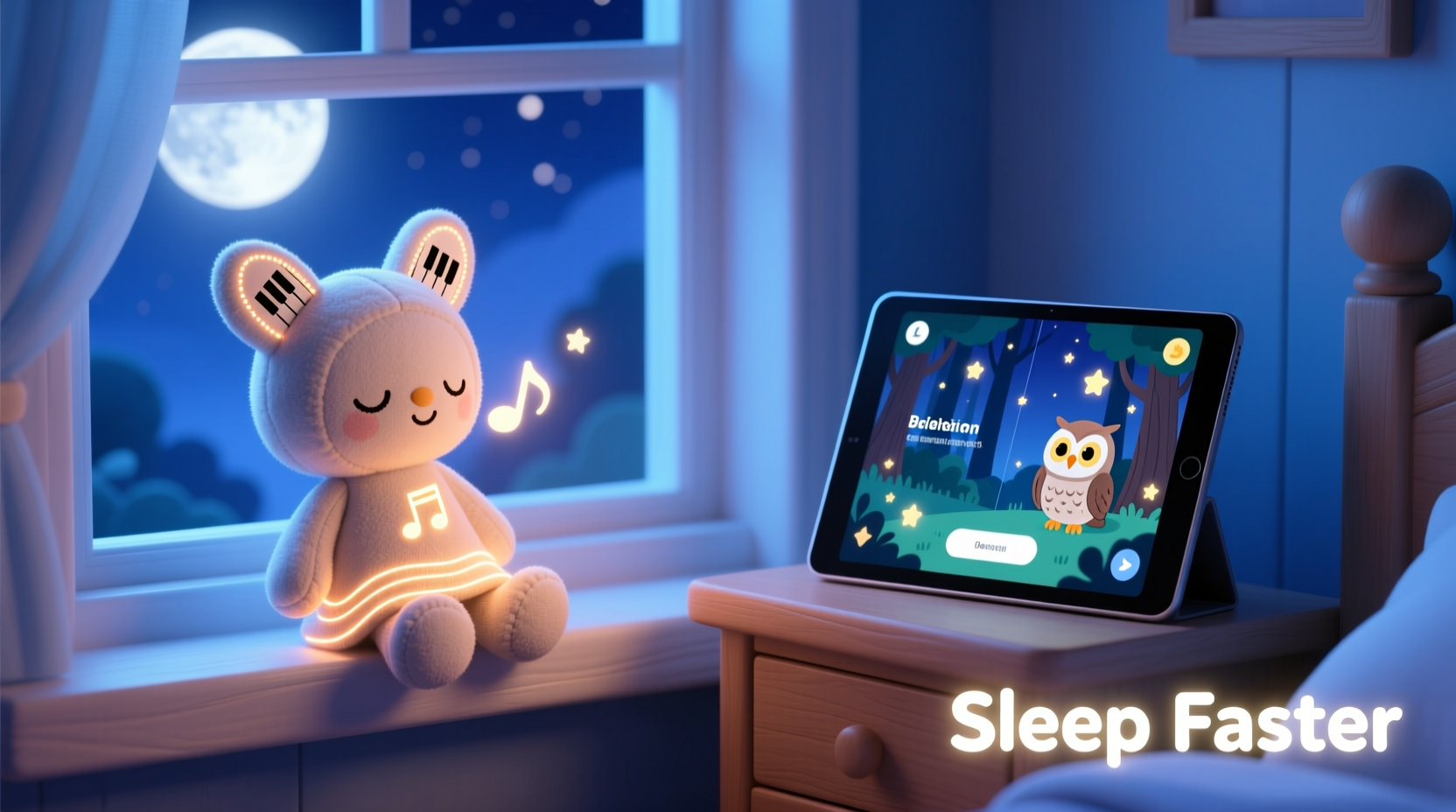
Sleep doesn’t happen instantly. For children, especially those under age 7, falling asleep involves transitioning from high-alert states to relaxed ones. This shift depends on reducing cognitive stimulation, lowering cortisol levels, and activating the parasympathetic nervous system. Tools that support this process are most effective when they reduce anxiety, maintain consistency, and avoid overstimulation.
According to Dr. Rachel Turner, pediatric sleep specialist at the National Children’s Sleep Institute:
“Children thrive on routine and sensory predictability. The best sleep aids aren’t flashy—they’re familiar, gentle, and integrated into a consistent bedtime ritual.” — Dr. Rachel Turner, Pediatric Sleep Specialist
This insight underscores why some low-tech solutions often outperform high-tech alternatives. While apps offer variety and interactivity, plush toys provide continuity and emotional security—both critical factors in reducing sleep latency (the time it takes to fall asleep).
How Musical Plush Dolls Support Faster Sleep
Musical plush dolls combine physical comfort with soft auditory cues. Typically activated by pressing a button or hugging, these dolls play lullabies, white noise, or short calming melodies for 30 seconds to five minutes. Their design leverages multiple sensory inputs: touch (soft fabric), sound (gentle music), and visual reassurance (a beloved character).
Key benefits include:
- Tactile grounding: Holding a plush toy can reduce nighttime anxiety and create a sense of safety.
- Controlled audio duration: Most dolls auto-shut off, preventing prolonged sound exposure that might disrupt deep sleep cycles.
- No screen involvement: Unlike apps, plush dolls don’t emit blue light, which suppresses melatonin production.
- Ritual reinforcement: A child associates the doll with bedtime, strengthening circadian conditioning.
How Bedtime Story Apps Influence Sleep Quality
Bedtime story apps like Headspace for Kids, Whisperies, or Calm Kids deliver guided stories, meditations, or narrated tales via smartphones or tablets. These apps often feature celebrity voices, ambient sounds, and adaptive pacing designed to slow heart rate and breathing.
Their advantages include:
- Diverse content: Rotating stories prevent boredom and sustain interest over time.
- Professional narration: Soothing voices and paced reading help regulate breathing patterns.
- Parental control: Volume limits, timers, and automatic shut-off enhance safety.
- Accessibility: Available anywhere, useful during travel or inconsistent routines.
However, drawbacks exist. A 2023 study published in *Pediatric Sleep Medicine* found that children using tablet-based apps took an average of 18% longer to fall asleep than those using non-screen sleep aids—even when screens were set to night mode. Researchers attributed this delay to residual cognitive activation from interactive interfaces and subtle screen glow.
Direct Comparison: Plush Doll vs. Story App
| Feature | Musical Plush Doll | Bedtime Story App |
|---|---|---|
| Sleep Onset Time | Shorter (avg. 12–18 min) | Longer (avg. 18–25 min) |
| Blue Light Exposure | None | Present (even in dark mode) |
| Emotional Attachment | High (physical bonding) | Moderate (digital interaction) |
| Battery/Lifespan | 2–5 years (replaceable batteries) | Depends on device updates |
| Nighttime Independence | High (child self-soothes with doll) | Low (often requires adult setup) |
| Variety of Content | Limited (fixed songs) | Extensive (rotating library) |
The data suggests a trade-off: plush dolls excel in promoting rapid, natural sleep onset due to their simplicity and lack of screens, while apps offer richer content but may interfere with optimal sleep physiology.
Real-World Example: The Miller Family Trial
The Millers, a family in Portland with twin 4-year-olds, tested both methods over six weeks. For three weeks, they used a musical plush bear that played “Twinkle Twinkle Little Star” on repeat. Then, they switched to a subscription-based bedtime app with nature-themed guided journeys.
Results were telling. During the plush doll phase, both children fell asleep within 15 minutes 89% of nights. Night wakings decreased by 40%. With the app, initial engagement was high, but sleep onset slowed to 22 minutes on average, and one child began requesting “just one more story,” delaying bedtime.
After reverting to the plush doll, consistency returned. “It’s not as fancy,” said mom Lisa Miller, “but it works better. They hug it, close their eyes, and drift off. No negotiations.”
Step-by-Step: Choosing the Right Option for Your Child
- Assess your child’s temperament: Sensitive or anxious children often respond better to physical comfort objects.
- Evaluate current bedtime struggles: If the issue is overstimulation, avoid adding screens—even calming ones.
- Test one option at a time: Use each tool consistently for at least 10 nights before judging effectiveness.
- Monitor sleep latency: Track how long it takes your child to fall asleep using a simple log or app like BeddyTune.
- Combine wisely: Use a story app earlier in the routine (e.g., during pajama time), then switch to a plush doll for lights-out.
Checklist: What to Look for in a Sleep Aid
- ✅ Auto-shutoff feature (max 5–10 minutes)
- ✅ No bright lights or flashing elements
- ✅ Washable or wipeable surface
- ✅ Calm, repetitive audio (not narrative-heavy)
- ✅ Age-appropriate volume limiter (under 50 dB)
- ✅ Durable construction (especially for chewers or cuddlers)
- ✅ Easy parental control (for apps) or one-touch operation (for dolls)
Frequently Asked Questions
Can I use both a plush doll and a story app together?
Yes, but sequence matters. Use the app first as part of pre-bed winding down, then transition to the plush doll for actual sleep onset. Avoid simultaneous use to prevent sensory overload.
Are musical plush dolls safe for infants?
Only if they meet safety standards (no small detachable parts, secure seams, and quiet volume). The American Academy of Pediatrics recommends avoiding loose objects in cribs for babies under 12 months. Consider placing the doll outside the crib but within sight.
Do bedtime apps improve long-term sleep habits?
Some do—if used consistently and without interactivity. However, dependency on external devices can hinder self-soothing skills. Prioritize tools that encourage independence over passive consumption.
Final Recommendation
While bedtime story apps offer engaging content and professional narration, musical plush dolls consistently prove more effective at reducing sleep onset time. Their screen-free, tactile nature aligns better with children’s neurodevelopmental needs, particularly in the critical wind-down phase.
The ideal approach isn’t about choosing one over the other permanently, but understanding their roles. Apps can enrich the early stages of bedtime, while plush dolls serve as reliable anchors for sleep initiation. By combining them thoughtfully—and prioritizing low-stimulation, high-comfort tools at lights-out—parents can build routines that lead to faster, deeper, and more sustainable sleep.
🚀 Ready to optimize your child’s bedtime? Start tonight: replace the last screen-based activity with a musical plush doll and track sleep onset for five nights. Small changes can lead to big improvements in rest—for your child and you.








