For millions, caffeine is a daily ritual—whether it’s a bold espresso to start the day or a ceremonial bowl of matcha to center the mind. But for those prone to anxiety, that same caffeine can trigger racing thoughts, restlessness, and the dreaded “jitters.” Enter the growing debate: Is matcha truly a calmer alternative to coffee, thanks to its unique compound, L-theanine? And does this amino acid actually neutralize the anxious side effects of caffeine?
The answer isn’t just anecdotal. It’s rooted in neuroscience, biochemistry, and real-world experience. This article dives deep into how matcha and coffee affect your nervous system, compares their impact on anxiety, and examines whether L-theanine lives up to its reputation as a natural buffer against jitteriness.
The Caffeine-Anxiety Connection
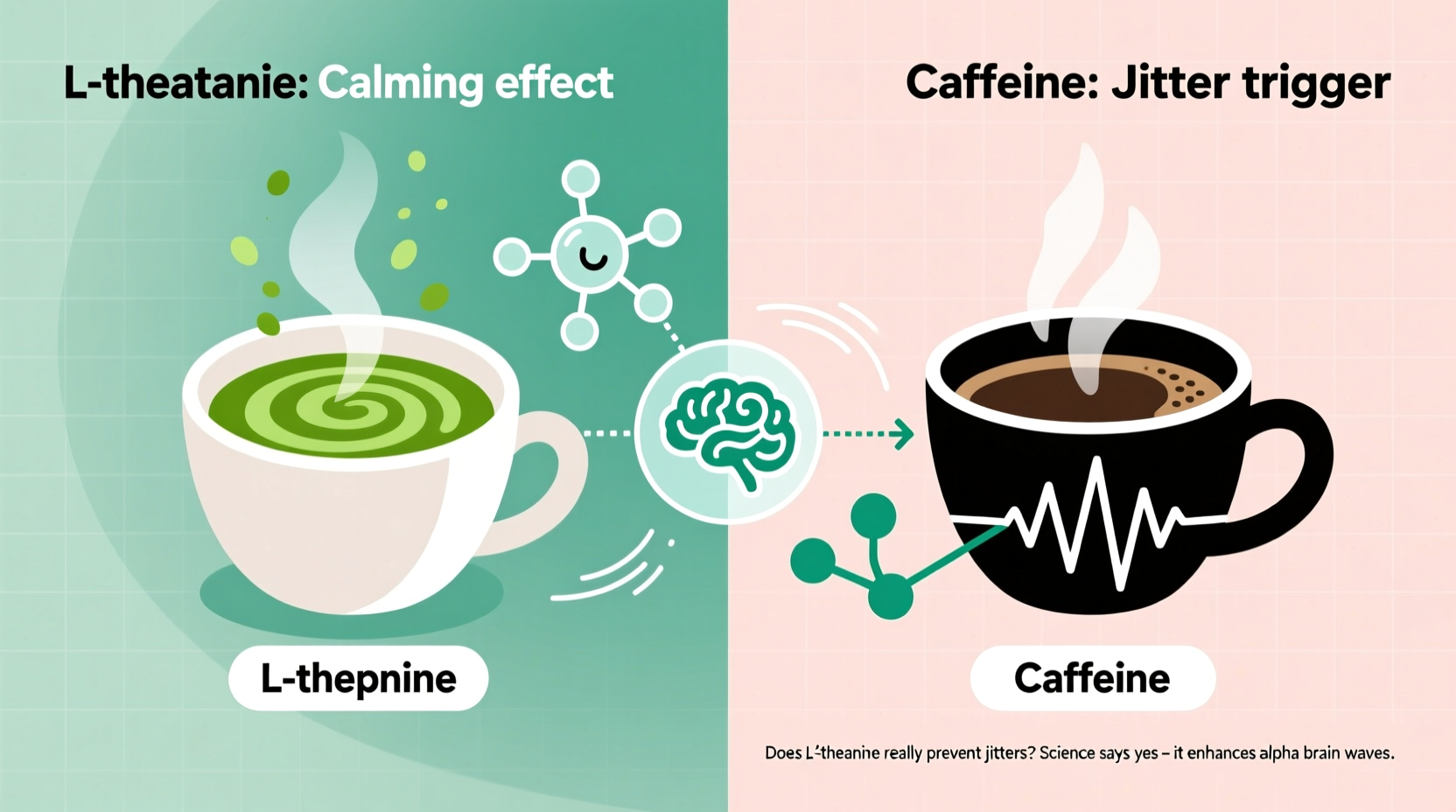
Caffeine is a central nervous system stimulant. It works primarily by blocking adenosine receptors in the brain—the neurotransmitter responsible for promoting sleep and relaxation. When adenosine is blocked, dopamine and norepinephrine levels rise, increasing alertness and focus. But this stimulation comes at a cost for some.
Excessive caffeine intake—or even moderate amounts in sensitive individuals—can overstimulate the sympathetic nervous system, triggering symptoms like:
- Rapid heartbeat
- Sweating
- Shakiness (jitters)
- Irritability
- Insomnia
- Panic-like sensations
These effects are particularly pronounced with fast-acting, high-dose caffeine sources like coffee. A typical 8-ounce cup contains 80–100 mg of caffeine, delivered rapidly into the bloodstream. The spike can be sharp, especially on an empty stomach, leading to a quick crash and rebound fatigue—or worse, acute anxiety.
Tip: If you're sensitive to caffeine, avoid drinking coffee before stressful events or during periods of high emotional load.Matcha: More Than Just Green Tea Powder
Matcha is a finely ground powder made from shade-grown green tea leaves, traditionally used in Japanese tea ceremonies. Unlike regular green tea, where leaves are steeped and discarded, matcha involves consuming the whole leaf—delivering a more concentrated dose of nutrients, antioxidants, and active compounds.
A standard serving (about 1 gram) contains roughly 30–70 mg of caffeine, depending on quality and preparation. But what sets matcha apart is not just the amount of caffeine—it’s what comes with it: L-theanine.
L-theanine is a non-protein amino acid found almost exclusively in tea plants, particularly Camellia sinensis, the source of green, black, and oolong teas. In matcha, L-theanine concentrations are significantly higher due to the shading process used before harvest. This practice boosts chlorophyll and amino acid production, including L-theanine, which plays a key role in modulating the brain’s response to caffeine.
How L-Theanine Changes the Game
L-theanine doesn’t eliminate caffeine—but it fundamentally alters how your brain responds to it. Research shows that L-theanine promotes alpha-wave activity in the brain, associated with a state of relaxed alertness. This is the mental space between drowsiness and intense focus—a calm yet attentive mode ideal for concentration without tension.
A landmark 2008 study published in *Biological Psychology* found that participants who consumed a combination of 50 mg L-theanine and 75 mg caffeine demonstrated improved attention, faster reaction times, and reduced self-reported feelings of tension compared to those who took caffeine alone.
“L-theanine appears to promote a unique state of ‘calm alertness’ that complements caffeine rather than competing with it.” — Dr. David Owen, Cognitive Neuroscience Researcher, University of Sussex
This synergy means that while both substances are present in matcha, the overall effect is smoother, longer-lasting, and less likely to induce anxiety. Instead of a sudden spike followed by a crash, matcha delivers a gradual lift in energy that can last 3–6 hours without the edge.
Matcha vs Coffee: A Direct Comparison
| Factor | Matcha | Coffee |
|---|---|---|
| Caffeine per Serving | 30–70 mg | 80–100+ mg |
| Onset of Effects | Gradual (20–30 mins) | Rapid (5–15 mins) |
| Durability of Energy | 3–6 hours, steady | 1–3 hours, often ends in crash |
| L-Theanine Content | High (~20 mg per gram) | Negligible |
| Impact on Anxiety | Generally calming or neutral | Potentially aggravating |
| Antioxidant Profile | Very high (catechins, EGCG) | Moderate (chlorogenic acids) |
| Best For | Focused work, mindfulness, stress-prone individuals | Quick wake-up, high-intensity tasks |
The data suggests that matcha offers a neurochemical advantage: lower caffeine load combined with mood-modulating L-theanine. This makes it a compelling choice for people managing anxiety who still want cognitive enhancement.
Real-World Experience: A Case Study
Consider Sarah, a 32-year-old project manager with generalized anxiety disorder. She relied on two large coffees every morning to power through meetings and deadlines. Over time, she noticed increased heart palpitations, difficulty concentrating after the initial buzz wore off, and afternoon crashes that left her exhausted and irritable.
After reading about L-theanine, she decided to switch to matcha. She started with one serving in the morning, prepared traditionally with hot water and a bamboo whisk. Within a week, she reported feeling “more grounded” throughout the day. Her focus improved without the edge of nervous energy. After three weeks, she eliminated coffee entirely and now uses matcha only when needed for sustained mental clarity.
“It’s not that I don’t feel energized,” she said. “I do. But it’s like the difference between being revved up in first gear and smoothly accelerating. With matcha, my brain feels awake but not frantic.”
Tip: For optimal results, use ceremonial-grade matcha and prepare it with water around 175°F (80°C) to preserve L-theanine and avoid bitterness.Can You Get the Same Benefits Without Matcha?
Yes—but with caveats. You can take isolated L-theanine supplements (usually 100–200 mg) alongside coffee to mimic matcha’s calming effect. Some nootropic blends and “smart coffees” already include L-theanine for this reason.
However, synthetic or extracted L-theanine may not deliver the exact same experience as the naturally occurring compound in matcha. In whole-food form, L-theanine interacts synergistically with other phytochemicals—epigallocatechin gallate (EGCG), flavonoids, and polyphenols—that support cognitive health and reduce oxidative stress.
Moreover, the ritual of preparing matcha—measured scooping, mindful whisking, intentional sipping—adds a meditative layer that further reduces stress. Coffee, often gulped down during commutes or multitasking, rarely offers the same psychological pause.
Step-by-Step Guide to Switching from Coffee to Matcha
If you’re considering making the shift to reduce anxiety while maintaining mental performance, follow this practical timeline:
- Week 1: Dual Trial – Drink your usual coffee one day, and matcha the next. Keep a journal tracking energy levels, focus, mood, and any physical symptoms like jitters or heart palpitations.
- Week 2: Replace One Serving – Swap your morning coffee for matcha. Use 1/2 to 1 teaspoon of ceremonial-grade powder. Observe how your body responds in the first few hours.
- Week 3: Full Morning Replacement – Make matcha your primary morning beverage. Avoid adding sugar; try a splash of oat milk or a dash of cinnamon if needed.
- Week 4: Eliminate Coffee Gradually – Reduce coffee to one small cup midday, then phase it out completely. Monitor withdrawal symptoms (e.g., headaches) and manage them with hydration and rest.
- Ongoing: Optimize Your Routine – Experiment with timing, dosage, and preparation methods. Some prefer matcha latte-style with warm plant milk; others stick to traditional preparation for maximum clarity.
Checklist: Choosing the Right Matcha for Anxiety Support
- ✅ Choose ceremonial-grade matcha (higher L-theanine, smoother taste)
- ✅ Look for vibrant green color (indicates freshness and shade-growing)
- ✅ Check origin: Japanese-grown (Uji, Nishio, Kagoshima) is typically highest quality
- ✅ Avoid “culinary-grade” for daily consumption—it’s often bitter and lower in beneficial compounds
- ✅ Store in an airtight container away from light and heat to preserve potency
- ❌ Don’t buy bright yellow or dull brown powder—it’s likely oxidized or low grade
- ❌ Avoid products with added sugars, fillers, or artificial flavors
Frequently Asked Questions
Can L-theanine completely cancel out caffeine jitters?
No supplement eliminates caffeine effects entirely, but L-theanine significantly reduces the likelihood and severity of jitters by promoting alpha brain waves and lowering physiological stress markers. Most users report a smoother, more balanced energy curve.
Is matcha safe for people with panic disorder?
For many, yes—but individual sensitivity varies. Start with half a serving (¼–½ tsp) to assess tolerance. Since matcha still contains caffeine, those with severe panic disorder should consult a healthcare provider before regular use.
Can I take L-theanine with coffee instead of switching to matcha?
Absolutely. Taking 100–200 mg of L-theanine 10–15 minutes before coffee can produce similar calming effects. This combo is popular among biohackers seeking focus without anxiety. However, you’ll miss out on matcha’s additional antioxidants and ritual benefits.
The Verdict: Does L-Theanine Really Prevent Jitters?
The evidence—both scientific and experiential—strongly supports the idea that L-theanine moderates the stimulating effects of caffeine. In matcha, this creates a uniquely balanced profile: alertness without agitation, focus without frenzy.
While coffee delivers a powerful, fast hit of energy, it often comes with collateral damage for anxiety-prone individuals. Matcha, by contrast, offers a gentler ascent into wakefulness, sustained by the harmonizing influence of L-theanine.
That said, “preventing jitters” doesn’t mean unlimited consumption. Even matcha can cause overstimulation if taken in excess or too late in the day. Moderation, timing, and personal sensitivity still matter.
“The combination of caffeine and L-theanine represents one of the most elegant examples of nature’s balance—stimulation tempered by serenity.” — Dr. Lena Park, Integrative Neurologist
Conclusion: Make the Choice That Serves Your Mind
Your morning drink shouldn’t come at the cost of your mental peace. If coffee consistently leaves you anxious, shaky, or mentally scattered, it may be time to reconsider your routine. Matcha isn’t just a trend—it’s a centuries-old practice backed by modern science, offering a viable alternative for those seeking clarity without chaos.
You don’t have to abandon caffeine altogether. You just need a smarter way to harness its benefits. By choosing matcha—or pairing L-theanine with your current brew—you can maintain high performance while protecting your nervous system.
💬 Have you tried switching from coffee to matcha? Did you notice a difference in anxiety or focus? Share your experience in the comments—your story could help someone find their own path to calm energy.








