
For years, Western sunscreens have dominated drugstore shelves and dermatology recommendations with a focus on maximum UV protection and water resistance. But in recent years, a quiet revolution has taken place—one where lightweight textures, elegant finishes, and skincare-infused formulas from Korea have captured the attention of beauty enthusiasts worldwide. Why does it seem like every skincare influencer, esthetician, and routine curator swears by Korean sunscreens? Is there truth behind the hype, or is it just marketing?
The answer lies not in branding alone, but in fundamental differences in formulation philosophy, user experience, and cultural expectations around skincare. While both Korean and Western sunscreens protect against harmful UV rays, they often do so in very different ways—ways that reflect broader attitudes toward skin health, daily routines, and cosmetic elegance.
Different Priorities: Protection vs. Experience
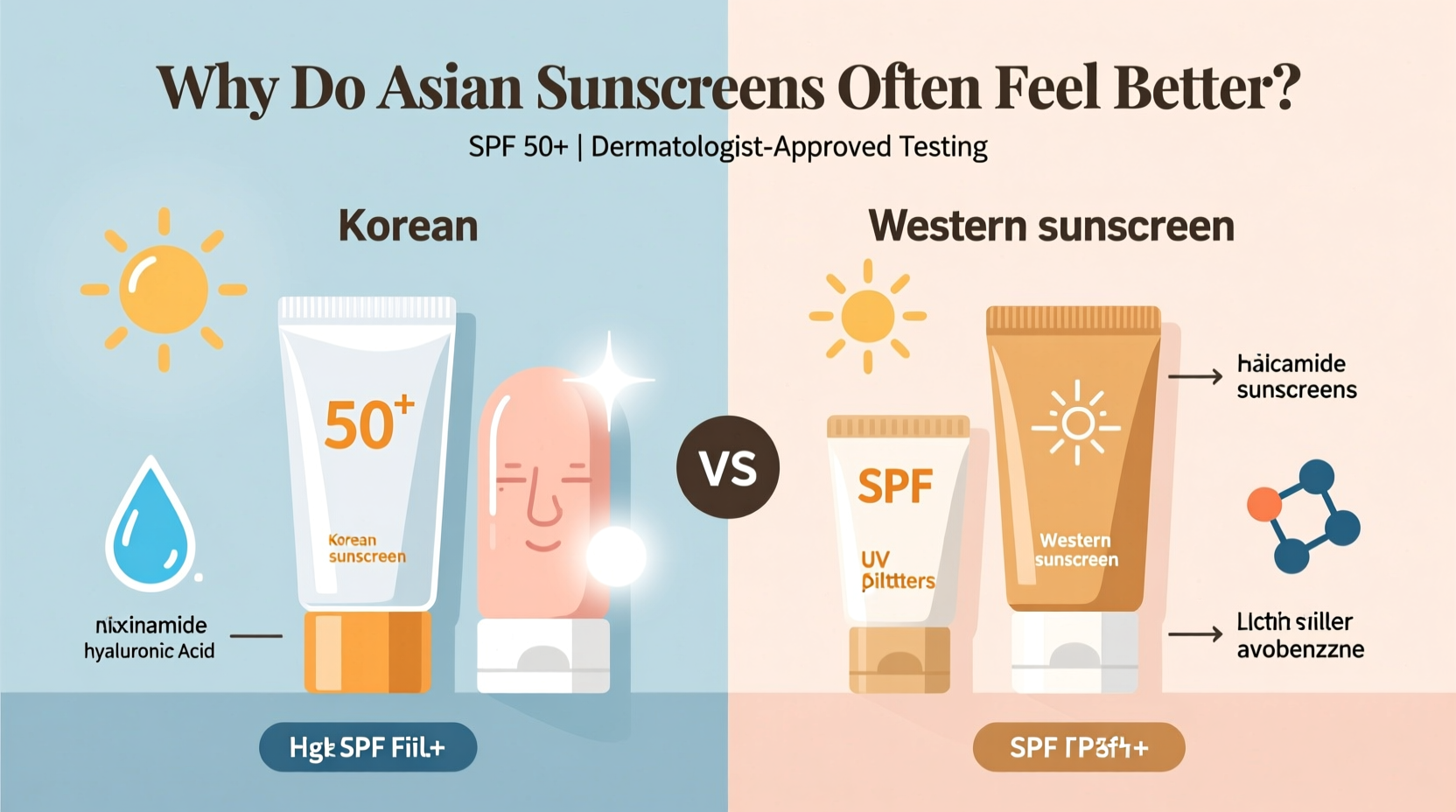
In Western markets, especially the United States, sunscreen development has long been driven by regulatory standards and medical necessity. The FDA prioritizes proven efficacy in blocking UVA and UVB rays, leading to formulations that emphasize high SPF numbers, broad-spectrum coverage, and durability under extreme conditions like swimming or sweating. As a result, many Western sunscreens rely heavily on chemical filters such as avobenzone, oxybenzone, and octinoxate, or mineral blockers like zinc oxide and titanium dioxide.
These ingredients work effectively—but often at the cost of texture and wearability. Thick, greasy, white-cast-inducing formulas are common complaints, especially with mineral-based products. For many users, the trade-off between protection and comfort means skipping sunscreen altogether, particularly when wearing it under makeup or for daily urban use.
In contrast, Korean and broader Asian sunscreen development operates under a different set of priorities. While safety and UV protection remain paramount, equal weight is given to sensory experience: how the product feels, spreads, absorbs, and looks on the skin. Korean sunscreens are designed for daily, year-round use—not just beach days. This means they must be wearable under makeup, layerable with other skincare, and comfortable enough to encourage consistent application.
“Korean sunscreens represent a shift from ‘protection at all costs’ to ‘protection you actually want to use.’ That subtle difference changes everything.” — Dr. Ji-hyun Park, Cosmetic Formulation Specialist, Seoul National University
Formulation Differences: Filters, Textures, and Additives
One of the most significant distinctions lies in the types of UV filters used. Many Korean sunscreens utilize newer-generation chemical filters approved in Asia and Europe but not yet fully recognized by the FDA. These include:
- Tinosorb S and M – Broad-spectrum, photostable, and less likely to irritate sensitive skin.
- Uvinul A Plus – Excellent UVA protection with minimal penetration into the skin.
- Mexoryl SX and XL – Developed by L'Oréal, these are staples in many Asian formulations due to their stability and efficacy.
These modern filters allow Korean brands to create lightweight, transparent, and cosmetically elegant sunscreens without sacrificing protection. Meanwhile, U.S.-based brands are largely restricted to older filters or bulky mineral options, limiting innovation in texture and finish.
Additionally, Korean sunscreens frequently double as skincare products. It’s common to find added ingredients like hyaluronic acid, niacinamide, green tea extract, centella asiatica, and even antioxidants like vitamin E—all designed to hydrate, soothe, and support skin barrier function. This aligns with the K-beauty principle of “preventive skincare,” where sun protection isn’t an isolated step but part of a holistic regimen.
Tip: If you're transitioning from Western to Korean sunscreen, start with a hybrid formula (mineral + chemical) to minimize irritation while enjoying improved texture.Texture and Wearability: The Invisible Shield
Ask any longtime user of Korean sunscreens what sets them apart, and the answer will likely be: “It doesn’t feel like anything.” This is no small feat. Many top-rated Korean SPFs absorb instantly, leave zero white cast, and don’t pill—even under makeup. Some even offer slight tinting or glow-enhancing properties, blurring the line between sunscreen and complexion enhancer.
Western sunscreens, particularly mineral ones, often struggle with this. Zinc oxide, while safe and effective, tends to leave a chalky residue, especially on deeper skin tones. Chemical versions may avoid white cast but can feel heavy, sticky, or cause eye stinging—a major deterrent for daily use.
Korean manufacturers invest heavily in emulsification technology and film-forming agents to ensure even dispersion of UV filters and seamless integration into multi-step routines. The goal is a product that disappears into the skin, making reapplication throughout the day less of a chore.
Real Example: Sarah’s Morning Routine Shift
Sarah, a 32-year-old graphic designer from Chicago, had always skipped sunscreen unless going to the beach. She found most American brands too greasy or drying for her combination skin. After discovering Korean beauty forums, she tried the COSRX Aloe Soothing Sun Cream. Within two weeks, she noticed fewer breakouts, less midday shine, and no pilling under her foundation. More importantly, she began applying it every morning without hesitation. “It’s the first sunscreen I’ve ever liked wearing,” she said. Her commitment to daily sun protection finally stuck—not because it was the strongest, but because it was the most enjoyable.
Comparative Breakdown: Korean vs. Western Sunscreens
| Feature | Korean Sunscreens | Western Sunscreens |
|---|---|---|
| Primary Focus | Daily wearability, skincare benefits | Maximum UV protection, water resistance |
| Common Filters | Tinosorb, Uvinul, Mexoryl, Octocrylene | Oxybenzone, Avobenzone, Zinc Oxide, Titanium Dioxide |
| Texture | Lightweight, fast-absorbing, low residue | Often thick, greasy, or leaves white cast |
| Skin Benefits | Frequently includes hydration, brightening, soothing agents | Rarely includes active skincare ingredients |
| SPF Range | Usually SPF 30–50+ | SPF 15–100+ |
| Reapplication Friendliness | Designed for easy over-makeup use | Limited options for touch-ups during the day |
| Regulatory Environment | Follows KCIA guidelines; access to newer filters | Strict FDA regulations; slower approval of new filters |
Addressing Common Misconceptions
Despite their popularity, Korean sunscreens aren’t inherently “better” across the board. They excel in specific areas, but limitations exist. For instance, many are not marketed as “water-resistant” in the same way as Western sport sunscreens, making them less ideal for intense outdoor activities or prolonged swimming. Additionally, availability outside Asia can lead to counterfeit products or expired batches when purchased through unofficial channels.
Another misconception is that higher SPF always means better protection. In reality, SPF 50 blocks about 98% of UVB rays, while SPF 100 blocks about 99%. The marginal gain is minimal, and over-reliance on ultra-high SPF can create a false sense of security, leading to inadequate application or missed reapplications. Korean brands typically cap SPF at 50+, recognizing this law of diminishing returns.
Expert Insight on Filter Innovation
“The U.S. sunscreen market is decades behind in filter technology. While Europe and Asia have adopted safer, more stable, and more elegant UV filters, Americans are still using compounds that degrade faster and may disrupt hormones. Until the FDA updates its regulations, we’ll continue seeing superior textures and performance come from abroad.” — Dr. Lena Choi, Dermatologist & Public Health Advocate
How to Choose the Right Sunscreen for You
The best sunscreen is the one you’ll use consistently. Whether Korean or Western, the key is matching the product to your lifestyle, skin type, and routine. Here’s a practical checklist to guide your decision:
📋 Sunscreen Selection Checklist
- ✅ Is it broad-spectrum (UVA/UVB protection)?
- ✅ Is the SPF at least 30?
- ✅ Does it suit your skin type (oily, dry, sensitive)?
- ✅ Does it layer well with your other products?
- ✅ Can you reapply it easily during the day?
- ✅ Does it leave no white cast or pilling?
- ✅ Is it water-resistant if needed for sports or swimming?
- ✅ Do you actually enjoy using it?
If you live in a humid climate or wear makeup daily, a lightweight Korean gel or fluid might be ideal. If you’re hiking, swimming, or spending extended time outdoors, a water-resistant Western option with robust SPF 50+ may be more appropriate. Hybrid approaches—using a Korean sunscreen for daily wear and a Western one for outdoor adventures—are increasingly common among savvy users.
Frequently Asked Questions
Is Korean sunscreen safe for sensitive skin?
Many Korean sunscreens are formulated with calming ingredients like centella asiatica, madecassoside, and panthenol, making them suitable for sensitive skin. However, some contain alcohol or essential oils that may irritate certain individuals. Always patch test and check ingredient lists if you have known sensitivities.
Can I use Korean sunscreen if I have dark skin?
Absolutely. One of the biggest advantages of Korean sunscreens is their near-universal lack of white cast. Mineral sunscreens often pose challenges for deeper skin tones, but most Korean chemical or hybrid formulas blend seamlessly without leaving a gray or chalky residue.
Are Korean sunscreens really more effective than Western ones?
Not necessarily more effective in raw UV blocking, but often more effective in real-world use because people are more likely to apply them generously and reapply regularly. Their superior aesthetics directly contribute to better compliance—a critical factor in preventing photoaging and skin cancer.
Final Thoughts: The Future of Sun Protection
The growing preference for Korean sunscreens reflects a broader evolution in how we think about skincare. Protection should not come at the expense of pleasure. When sunscreen feels good, looks good, and works well within your existing routine, it stops being a chore and becomes a non-negotiable habit.
While regulatory hurdles slow innovation in some markets, consumer demand is pushing global brands to improve texture, reduce white cast, and incorporate skincare benefits. The success of Korean SPF has already influenced Western launches, with more lightweight, sheer, and multi-functional sunscreens entering the market each year.
Ultimately, the “better” sunscreen isn’t defined by origin, but by usability. Whether it comes from Seoul or San Diego, the right sunscreen is the one you reach for every single morning—without hesitation.
🚀 Ready to upgrade your sun protection? Try a Korean SPF for one week and notice the difference in texture, wear, and routine flow. Share your experience with others and help normalize sun-safe, skin-loving habits!








