
Anxiety often feels like a storm in the mind—thoughts swirl without pause, jumping from one worry to the next, making it hard to focus, rest, or simply be present. One of the most underused yet powerful tools to interrupt this cycle is journaling. Writing down what’s on your mind doesn’t just externalize chaos; it creates space for reflection, insight, and relief. When done with intention, journaling can transform overwhelming thoughts into manageable pieces, helping you regain control. This article explores how to use targeted journal prompts for anxiety to slow racing thoughts, identify triggers, and cultivate emotional resilience.
Why Journaling Works for Anxiety and Racing Thoughts
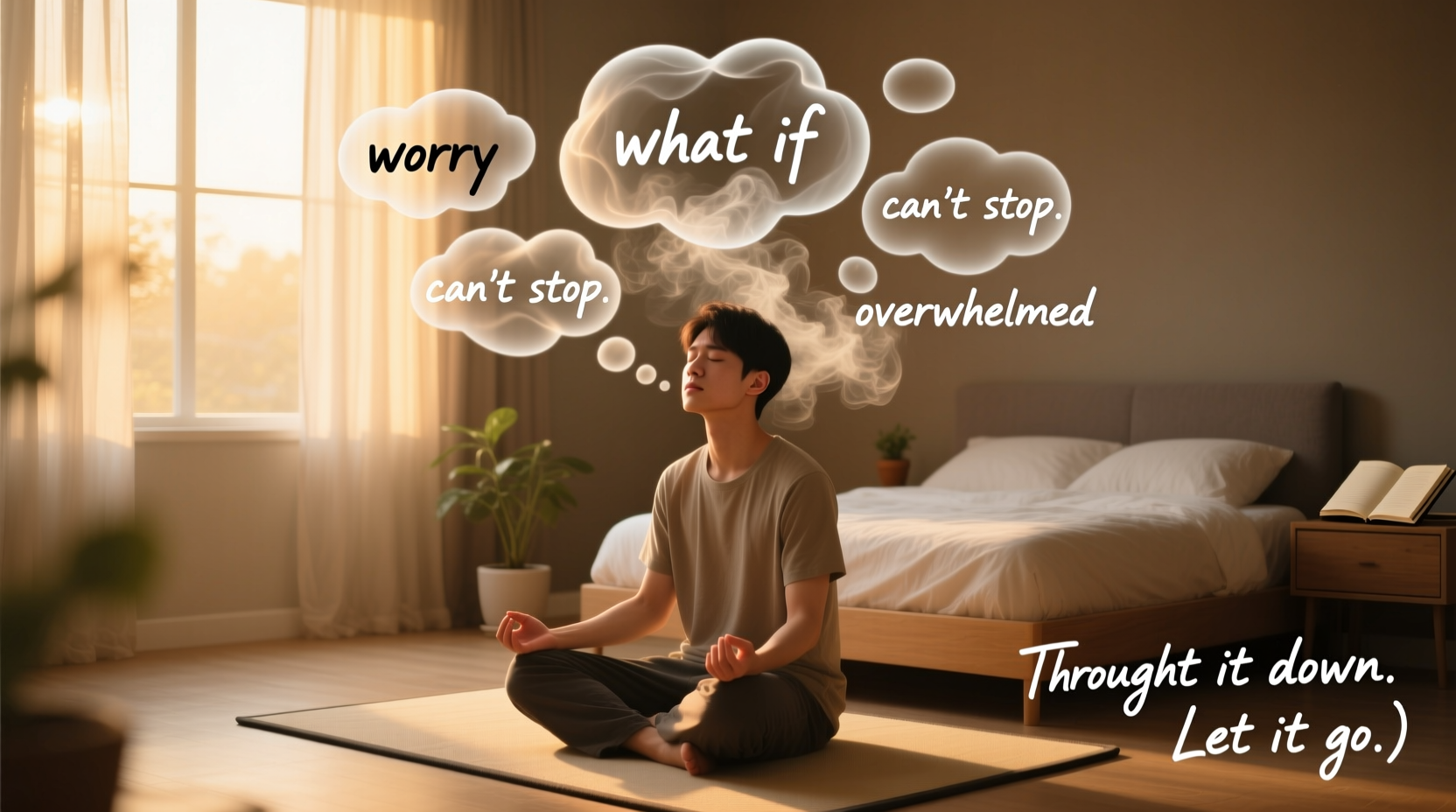
The human brain wasn’t designed to hold endless loops of unprocessed emotion. When anxiety takes over, cognitive load increases dramatically. The amygdala—the brain’s threat detector—fires constantly, while the prefrontal cortex, responsible for rational thinking, becomes overwhelmed. Journaling acts as a cognitive offload. By transferring thoughts from mind to paper, you reduce mental clutter and create psychological distance from distressing content.
Research supports this. A 2018 study published in the Journal of Experimental Psychology found that expressive writing significantly reduced intrusive thoughts and improved working memory in individuals with high anxiety. Another study from the University of Texas showed that writing about emotional experiences for just 15–20 minutes a day over three days led to measurable reductions in cortisol, the stress hormone.
“Writing allows us to step outside our internal narrative and observe it objectively. That shift—from immersion to observation—is where healing begins.” — Dr. James Pennebaker, pioneer in expressive writing research
Journalling isn't about crafting perfect sentences. It's about honesty, release, and pattern recognition. Over time, consistent writing helps you notice recurring fears, false assumptions, and even hidden strengths.
How to Use Journal Prompts Effectively
While free-form writing can be therapeutic, structured prompts are more effective for managing anxiety. They guide your focus, prevent rumination, and encourage constructive self-inquiry. To get the most out of journal prompts:
- Set a regular time: Choose a consistent window—morning to prepare for the day, or evening to decompress.
- Limit duration: Start with 10–15 minutes. You don’t need hours to gain clarity.
- Write freely: Don’t edit, censor, or worry about grammar. Let thoughts flow.
- Be honest: This journal is for you. Authenticity accelerates insight.
- Review periodically: Look back weekly to spot patterns and progress.
Powerful Journal Prompts to Calm Racing Thoughts
The following prompts are categorized by function: grounding, identifying triggers, reframing thoughts, building self-compassion, and planning action. Rotate through them based on your current emotional state.
1. Grounding Prompts (For Immediate Relief)
Use these when your mind feels chaotic or panicked. They anchor you in the present moment.
- What are five things I can see right now? Name and describe each.
- What are three sounds I hear at this moment?
- Describe how my body feels in this chair. What sensations are present?
- If I could send a calming message to my nervous system, what would it say?
- What’s one small thing I can do in the next five minutes to feel safer?
2. Trigger Identification Prompts (For Insight)
These help uncover the root causes behind anxious spirals.
- When did I first notice my thoughts speeding up today? What happened just before?
- Is there a person, task, or environment that consistently makes my mind race?
- What am I avoiding by staying busy in my head?
- What’s the worst part of this thought loop? Can I name the underlying fear?
- If this anxiety had a voice, what would it be trying to protect me from?
3. Cognitive Reframing Prompts (For Perspective)
Anxiety distorts reality. These prompts challenge irrational beliefs.
- What evidence do I have that this fear will actually happen?
- What would I tell a friend who had this exact thought?
- How likely is this outcome on a scale of 1–10? Why?
- What’s a more balanced way to view this situation?
- If this thought were a rumor, how credible would I find it?
4. Self-Compassion Prompts (For Emotional Support)
Racing thoughts often come with self-criticism. These foster kindness.
- What do I need to hear right now to feel comforted?
- How would someone who loves me describe my current struggle?
- What’s one gentle thing I can do for myself today?
- When have I handled anxiety before? What helped then?
- What qualities in me are still strong, even when I feel weak?
5. Action-Oriented Prompts (For Forward Movement)
Turn insight into steps. These reduce helplessness.
- What’s one tiny action I can take tomorrow to feel more in control?
- If I could solve one piece of this worry, what would it be?
- Who can I talk to that might understand or support me?
- What boundary do I need to set to protect my peace?
- What would my life look like if I trusted myself more?
Step-by-Step Guide: Clear Your Mind in 20 Minutes
When racing thoughts strike, follow this simple journaling protocol to regain calm.
- Pause and breathe (2 min): Sit quietly. Take slow breaths. Acknowledge the anxiety without fighting it.
- Download the chaos (5 min): Open your journal and write everything flooding your mind—no structure, no filter. Just dump it all out.
- Select one thought (3 min): Circle the most urgent or persistent thought. Ask: “Is this true? Is it helpful?”
- Respond with a prompt (7 min): Choose a relevant prompt from the list above and write a thoughtful response.
- Close with intention (3 min): Write one affirming sentence: “I am doing my best,” or “This will pass.” Close the journal gently.
Do’s and Don’ts of Anxiety Journaling
| Do’s | Don’ts |
|---|---|
| Write daily, even if only for 5 minutes | Force yourself to write when emotionally numb |
| Use prompts that match your current state | Re-read old entries when already anxious |
| Keep the journal private and safe | Share raw entries with others unless you’re ready |
| Include solutions, not just problems | Use journaling to endlessly ruminate |
| Notice progress over time | Expect immediate results |
Real Example: How Sarah Reduced Her Nighttime Anxiety
Sarah, a 34-year-old project manager, struggled with insomnia caused by racing thoughts. Every night, her mind replayed work conversations, imagined future failures, and spiraled into financial worries. She tried meditation and sleep aids, but nothing stuck. Then she started journaling.
She began with a simple nightly ritual: 10 minutes before bed, she wrote answers to two prompts: “What’s weighing on me tonight?” and “What can I let go of until tomorrow?” At first, entries were frantic—lists of tasks, fears, regrets. But within two weeks, she noticed a shift. Her writing became more reflective. She started adding a third line: “One thing I did well today.”
After four weeks, Sarah fell asleep faster and woke less often. She realized that her anxiety wasn’t about workload—it was about perfectionism. One entry read: “I’m scared to make a mistake because I think people will stop respecting me.” That insight led her to seek therapy and set healthier boundaries at work.
Sarah’s story shows that journaling doesn’t eliminate anxiety—but it transforms the relationship with it. Instead of being hijacked by thoughts, she learned to listen, question, and respond wisely.
Frequently Asked Questions
Can journaling make anxiety worse?
Occasionally, yes—especially if you’re reliving trauma without support. If writing intensifies distress, limit sessions to 10 minutes and focus on grounding prompts. Consider pairing journaling with therapy if emotions feel unmanageable.
How is journaling different from just thinking?
Thinking happens internally, often in loops. Journaling forces linear expression, which activates different parts of the brain. Writing creates separation between you and your thoughts, allowing objectivity. It’s the difference between being in a storm and watching it from a window.
What if I don’t know what to write?
Start with: “I don’t know what to write, but I feel…” and keep going. Even incomplete sentences help. Or pick a prompt from the list above. The act of beginning breaks inertia.
Checklist: Build Your Anxiety Journaling Practice
- ☐ Choose a notebook or digital app dedicated to journaling
- ☐ Pick 3–5 favorite prompts to start with
- ☐ Schedule a daily time (e.g., after dinner or before bed)
- ☐ Commit to 7 days of consistent writing
- ☐ After one week, review entries for patterns
- ☐ Adjust prompts based on what feels most helpful
- ☐ Celebrate small wins—like completing a session despite resistance
Conclusion: Turn Chaos Into Clarity
Racing thoughts don’t have to define your inner world. With the right journal prompts, you can transform anxiety from an overwhelming force into a source of self-understanding. Each word written is a step toward reclaiming mental space. You’re not erasing anxiety—you’re learning to coexist with it more skillfully.
The prompts in this article are tools, not magic spells. Their power comes from repetition, honesty, and patience. Start small. Be kind to yourself. Over time, you’ll notice fewer spirals, quicker recoveries, and deeper self-trust.
💬 Ready to begin? Tonight, write down one anxious thought—and one compassionate reply. That single exchange could change your entire week.








