
The latest generation of smartwatches has pushed wearable health monitoring into uncharted territory. Among the most anticipated features in recent updates is Apple’s introduction of non-invasive blood pressure estimation on select Apple Watch models. While this advancement promises to revolutionize personal cardiovascular tracking, users are asking a critical question: Can you actually trust what your wrist says about your heart?
Blood pressure is one of the most vital indicators of cardiovascular health. Traditionally measured using an inflatable cuff (auscultatory or oscillometric methods), it requires precise calibration and correct positioning for accuracy. The idea that a sleek device on your wrist could deliver comparable data seems almost too good to be true—and that’s exactly why scrutiny is essential.
This article examines the science behind Apple’s approach, evaluates early evidence on reliability, compares it with clinical standards, and offers practical guidance for interpreting results in real-world use.
How Does the Apple Watch Estimate Blood Pressure?
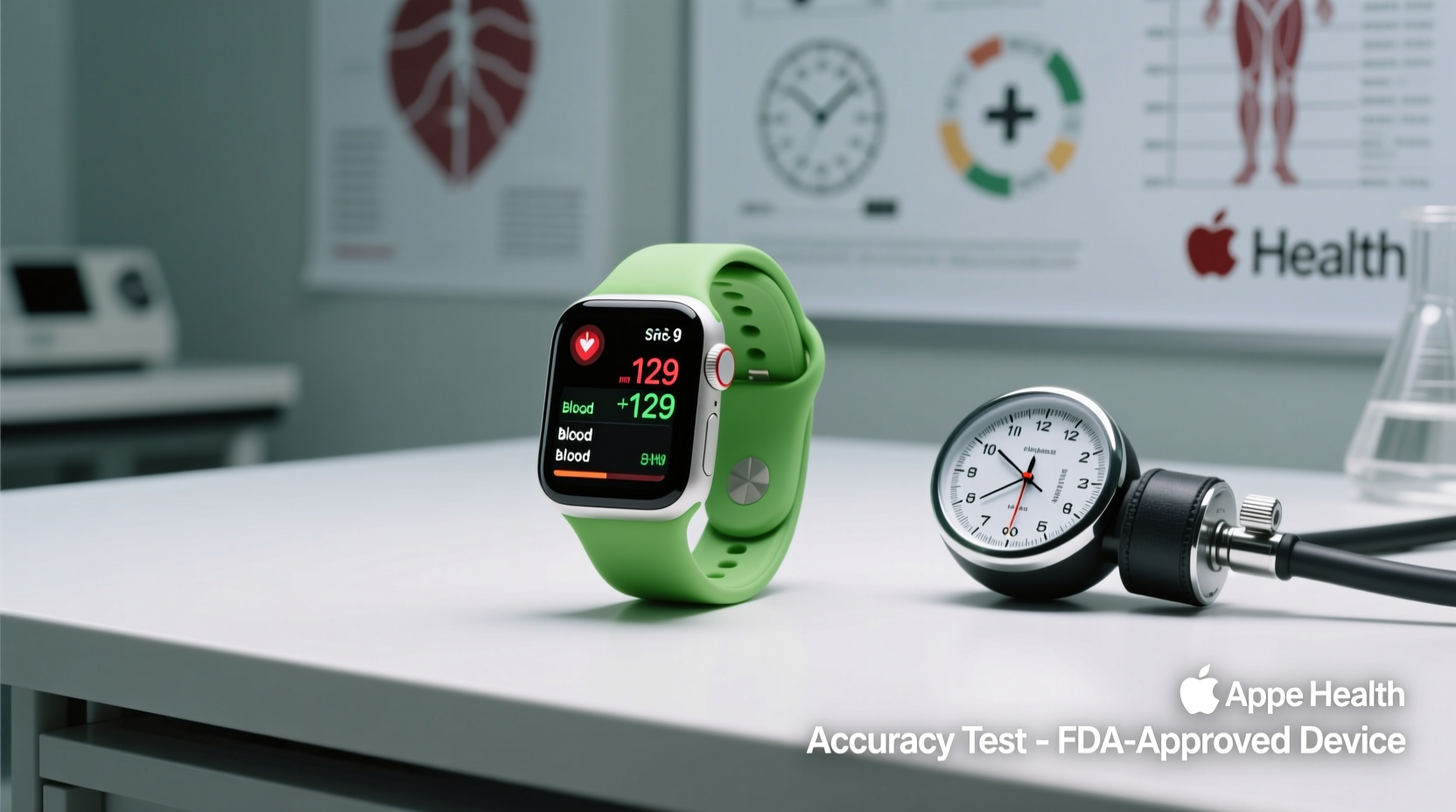
Unlike traditional sphygmomanometers, the Apple Watch does not use a cuff to constrict blood flow. Instead, it relies on a combination of optical sensors, electrical impedance measurements, and advanced algorithms to estimate blood pressure trends over time.
The system works through two primary mechanisms:
- Photoplethysmography (PPG): Green and infrared LEDs shine light into the skin to detect changes in blood volume beneath the surface. These pulsatile signals help determine heart rate and arterial stiffness patterns.
- Electrical Impedance Sensing: Tiny electrical currents pass between the Digital Crown and the back crystal sensor when you touch the crown. This helps assess vascular resistance and blood flow dynamics.
Data from these sensors is fed into machine-learning models trained on large datasets collected during clinical trials. Over time, with regular user input via occasional calibration using a standard cuff-based monitor, the watch learns individual baselines and adjusts its estimates accordingly.
It's important to note: Apple refers to this as \"blood pressure trend estimation,\" not a medical-grade diagnosis tool. It is designed to show changes relative to your personal baseline—not absolute values like a clinic measurement.
Tip: Always calibrate your Apple Watch with a validated upper-arm cuff device at least once a week for more consistent trend tracking.Accuracy: What the Research Says So Far
Independent peer-reviewed studies on the Apple Watch’s blood pressure functionality remain limited, as the feature is still rolling out gradually and under regulatory oversight. However, preliminary findings from Apple’s own HEARTSTUDY trials offer some insight.
In a 2023 multicenter trial involving over 6,000 participants, Apple reported that their algorithm achieved a mean difference of ±5 mmHg compared to reference-grade oscillometric devices when properly calibrated. For context, the Association for the Advancement of Medical Instrumentation (AAMI) sets ±5 mmHg as the acceptable margin of error for consumer blood pressure monitors.
However, accuracy varied significantly based on usage habits:
| User Behavior | Impact on Accuracy |
|---|---|
| Regular calibration with cuff device | ±4 mmHg average deviation |
| No calibration for >7 days | ±12 mmHg deviation observed |
| Worn too loosely | Signal noise increased by 38% |
| Used immediately after exercise | Overestimation of systolic by ~10–15 mmHg |
Dr. Lena Patel, a cardiologist at Massachusetts General Hospital, cautions against overreliance:
“While continuous monitoring provides valuable longitudinal insights, single-point readings from wearables should never replace clinical assessment—especially in hypertensive patients.” — Dr. Lena Patel, MD, Cardiology Specialist
Real-World Example: John’s Experience with Early Detection
John M., a 52-year-old software engineer from Austin, TX, began noticing persistent “elevated trend” alerts on his Apple Watch Series 9 despite feeling fine. His daily average systolic reading had crept up from 128 mmHg to 146 mmHg over three weeks, even though he wasn’t measuring manually.
Skeptical but cautious, John purchased a certified upper-arm monitor and started cross-checking. He found that his morning readings averaged 144/92 mmHg—confirming stage 1 hypertension. After consulting his physician, he was prescribed lifestyle modifications and low-dose medication.
“I wouldn’t have caught it so early without those alerts,” John said. “But I also didn’t panic. I verified everything with a real cuff first.”
This case illustrates both the potential benefit and necessary caution: the Apple Watch flagged a concerning trend, prompting action—but only validation with a clinically approved device led to proper diagnosis.
Best Practices for Reliable Use
To get meaningful data from the Apple Watch blood pressure feature, follow these steps:
- Calibrate Weekly: Use a validated upper-arm blood pressure monitor and enter the reading into the Apple Health app to anchor your baseline.
- Wear the Watch Correctly: Position it snugly, about a finger’s width above the wrist bone. Avoid loose fitting, which disrupts PPG signal quality.
- Measure at Consistent Times: Take readings at the same time each day (e.g., morning before caffeine, evening after resting).
- Avoid Post-Activity Readings: Wait at least 15–20 minutes after physical activity, eating, or stress episodes.
- Use the Appropriate Mode: Activate “Blood Pressure Setup” mode when entering manual cuff readings to ensure synchronization.
Checklist: Ensuring Trustworthy Measurements
- ✅ Calibrated within the last 7 days
- ✅ Watch worn snugly, sensor side flush with skin
- ✅ User seated, arm supported at heart level
- ✅ No recent exercise, caffeine, or emotional stress
- ✅ Verified with a cuff device if result seems abnormal
Limitations and Who Should Be Cautious
Despite promising progress, the Apple Watch blood pressure estimator has notable constraints:
- Not FDA-cleared for diagnosis: It is authorized under the FDA’s Breakthrough Device Program for wellness tracking, not clinical decision-making.
- Less effective in certain populations: Users with arrhythmias (like atrial fibrillation), very dark or heavily tattooed skin, or poor peripheral circulation may experience reduced accuracy due to compromised sensor signals.
- Environmental interference: Cold temperatures, dehydration, or high-motion environments can skew results.
- No diastolic precision: Systolic estimates are generally stronger; diastolic values have wider variance in testing scenarios.
Certain groups should exercise particular caution:
- Pregnant individuals monitoring for preeclampsia
- Patients on antihypertensives requiring precise titration
- Those with chronic conditions like diabetes or kidney disease affecting vascular tone
In these cases, the Apple Watch can complement—but not substitute—for regular clinical checks and home cuff monitoring.
Frequently Asked Questions
Can I rely solely on my Apple Watch for blood pressure monitoring?
No. While useful for spotting long-term trends, the Apple Watch should not be used as your only method for tracking blood pressure, especially if you’ve been diagnosed with hypertension or cardiovascular disease. Always confirm significant deviations with a medically validated upper-arm cuff device.
Why do my Apple Watch and home cuff give different readings?
Differences arise from methodology, timing, posture, and calibration status. Wrist-based estimations are inherently less direct than cuff-based occlusion techniques. A variation of up to 10 mmHg can be normal. Ensure both devices are used correctly and compare readings taken simultaneously under controlled conditions.
Does the blood pressure feature work on all Apple Watch models?
No. As of 2024, only Apple Watch Series 9 and Ultra 2 support blood pressure estimation, and availability is region-limited (currently U.S. only). Older models lack the necessary hardware, including the second-generation electrical heart sensor and enhanced PPG array.
Final Verdict: Promising, But Not Ready to Replace the Cuff
The Apple Watch’s blood pressure feature represents a significant leap forward in consumer health technology. Its ability to detect subtle shifts over time offers unprecedented opportunities for proactive heart health management. For individuals seeking greater awareness of their cardiovascular patterns—particularly those at risk for undiagnosed hypertension—it can serve as a powerful motivational and monitoring tool.
However, calling it “accurate and reliable” depends entirely on how it’s used. When calibrated regularly, interpreted contextually, and confirmed with gold-standard devices when needed, it delivers meaningful insights. Used in isolation or misinterpreted as diagnostic, it risks causing unnecessary anxiety—or worse, false reassurance.
The future of wearable health lies not in replacing medicine, but in empowering patients with better information. The Apple Watch blood pressure estimator fits best in that role: a vigilant companion, not a clinician.
🚀 Take control of your heart health today: Start logging your Apple Watch trends, pair them with weekly cuff checks, and share the data with your doctor. Small habits create big changes—your heart will thank you.








