
Sleep is a cornerstone of health, influencing everything from metabolism to mental clarity. Yet, one often-overlooked factor in sleep quality is what we wear—or don’t wear—while sleeping. While pajamas have long been the default for bedtime attire, a growing body of research suggests that sleeping naked may offer tangible physiological and psychological advantages. From regulating body temperature to enhancing intimacy and skin health, the case for shedding your nightwear is stronger than ever. This article explores the science behind sleeping naked and compares its benefits to traditional pajama use.
The Role of Body Temperature in Sleep Quality
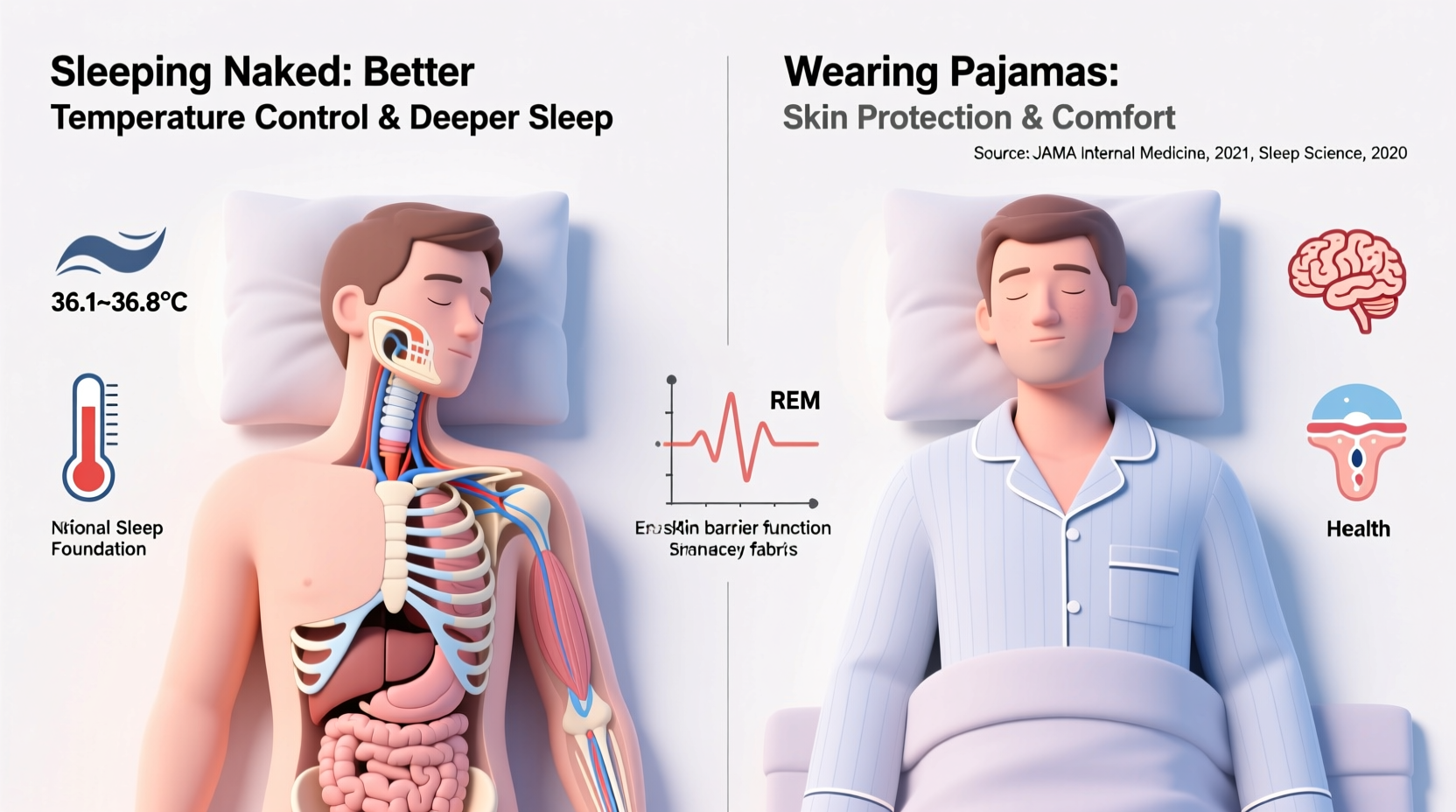
One of the most critical factors in achieving restful sleep is core body temperature regulation. As night falls, the body naturally cools down, signaling the brain to release melatonin—the hormone responsible for sleep onset. Wearing pajamas, especially those made from synthetic or non-breathable fabrics, can interfere with this natural cooling process by trapping heat and moisture.
A study published in the journal *Nature* found that even slight elevations in skin temperature can delay sleep onset and reduce REM (rapid eye movement) sleep duration. Conversely, allowing the skin to breathe and dissipate heat—something easier achieved when sleeping naked—supports more efficient thermoregulation. This is particularly beneficial during warmer months or for individuals who tend to overheat at night.
Tip: If you're sensitive to cold, consider using breathable bedding instead of heavy pajamas to maintain warmth without restricting heat loss.Improved Sleep Through Better Thermoregulation
The human body needs to drop its core temperature by about 1–2°F (0.5–1°C) to initiate deep sleep. Clothing acts as insulation, slowing this process. Sleeping naked removes this barrier, enabling faster heat dissipation through the skin—especially via areas like the hands, feet, and face, which are rich in blood vessels close to the surface.
Research from the University of South Australia’s Sleep Research Centre indicates that participants who slept in cooler environments or with less clothing reported falling asleep faster and experiencing fewer nighttime awakenings. The study concluded that “optimal sleep microclimates” are best achieved when sleepwear does not impede natural thermal regulation.
Moreover, maintaining a lower body temperature during sleep has been linked to increased production of brown adipose tissue (BAT), a type of fat that burns calories to generate heat. A 2014 study in the journal *Diabetes* showed that men who slept in rooms cooled to 66°F (19°C) for a month increased their BAT volume by 42%, improving insulin sensitivity and metabolic health—all outcomes potentially enhanced by sleeping naked in a cool room.
Enhanced Skin Health and Reduced Infections
The skin is the body's largest organ and requires proper airflow to remain healthy. Wearing pajamas—especially tight-fitting or synthetic ones—can trap sweat, bacteria, and dead skin cells, creating an environment conducive to fungal infections, acne, and irritation.
Sleeping naked allows the skin to breathe, reducing moisture buildup in sensitive areas such as the groin, underarms, and beneath the breasts. Dermatologists note that this practice can help prevent conditions like folliculitis, intertrigo (skin inflammation in folds), and yeast infections, particularly in individuals prone to them.
“Allowing skin to air out overnight reduces occlusion and microbial growth, which are key contributors to dermatological issues.” — Dr. Lena Patel, Board-Certified Dermatologist
For individuals with eczema or psoriasis, minimizing fabric friction and avoiding allergens in laundry detergents used on pajamas can also lead to fewer flare-ups. Cotton pajamas may seem gentle, but even they can retain irritants unless washed meticulously.
Boosted Intimacy and Relationship Satisfaction
Sleeping habits significantly impact romantic relationships. Skin-to-skin contact during sleep triggers the release of oxytocin, often referred to as the \"bonding hormone.\" This neurochemical plays a crucial role in fostering trust, emotional connection, and sexual desire between partners.
Couples who sleep naked together report higher levels of relationship satisfaction, according to a survey conducted by the National Sleep Foundation. The physical closeness not only enhances emotional intimacy but also synchronizes sleep cycles over time, leading to more harmonized bedtimes and reduced disturbances.
In one real-world example, Mark and Sarah, a couple in their mid-30s, began sleeping without clothes after struggling with mismatched sleep schedules and low libido. Within weeks, they noticed improved communication, increased affection, and a greater sense of emotional safety. While individual results vary, their experience reflects broader trends seen in clinical observations.
Tip: Start gradually—try sleeping without underwear first if full nudity feels uncomfortable initially.Weight Management and Metabolic Benefits
Beyond sleep and skin health, sleeping naked may indirectly support weight management. As previously mentioned, cooler sleeping environments promote the activation of brown fat, which burns energy rather than storing it. When combined with minimal clothing, this effect is amplified.
A controlled trial at the National Institutes of Health found that subjects exposed to mild cold stress (66°F) while sleeping burned up to 150 additional calories per night compared to those in warmer rooms. Over a year, this could translate to losing more than 10 pounds without changing diet or exercise routines.
While sleeping naked alone won't cause weight loss, it supports metabolic efficiency when paired with other healthy habits. It also encourages mindfulness about sleep hygiene, prompting individuals to optimize bedroom temperature, lighting, and routine—factors that collectively influence metabolism and appetite regulation.
Comparing Naked Sleep vs. Pajama Use: A Science-Based Breakdown
| Factor | Sleeping Naked | Wearing Pajamas |
|---|---|---|
| Thermoregulation | Superior heat dissipation; promotes faster sleep onset | Can trap heat, delaying cooling process |
| Skin Health | Reduces moisture buildup and infection risk | Potential for irritation, especially with synthetic fabrics |
| Intimacy & Bonding | Increases skin contact and oxytocin release | Limited direct contact unless lightweight fabric |
| Mobility & Comfort | Unrestricted movement; ideal for restless sleepers | May restrict motion depending on fit and material |
| Hormonal Balance | Supports melatonin and growth hormone release | No negative effect, but no added benefit either |
| Hygiene Maintenance | Requires clean bedding; no laundry for sleepwear | Frequent washing needed to prevent odor and bacteria |
When Pajamas Might Be the Better Choice
Despite the benefits of sleeping naked, it’s not universally ideal. Certain situations make pajamas a more practical or necessary option:
- Cold environments: In poorly insulated rooms or winter climates, lightweight thermal pajamas made from natural fibers like merino wool can maintain comfort without overheating.
- Shared sleeping spaces: Housemates, children, or pets entering the bedroom unexpectedly may make nudity inconvenient or inappropriate.
- Medical conditions: Individuals with circulatory issues or extreme sensitivity to temperature changes may require regulated coverage.
- Personal preference: Psychological comfort plays a major role in sleep quality. If being unclothed causes anxiety, the benefits are negated.
The key is aligning sleepwear choices with individual needs, environment, and health goals.
Step-by-Step Guide to Transitioning to Naked Sleep
If you're curious about trying sleep without clothes, follow this gradual approach to ensure comfort and sustainability:
- Assess your bedroom climate: Aim for a temperature between 60–67°F (15–19°C). Use fans, AC, or breathable bedding to maintain consistency.
- Choose moisture-wicking sheets: Opt for natural materials like cotton, bamboo, or TENCEL™ that absorb sweat and allow airflow.
- Start partial exposure: Begin by removing underwear or wearing only a top while keeping bottoms off.
- Observe your sleep patterns: Track how quickly you fall asleep and whether you wake up sweating or chilled.
- Adjust based on feedback: If too cold, add a light blanket. If still overheating, consider lowering the thermostat slightly.
- Commit for at least two weeks: Allow your body time to adapt before deciding if the change works for you.
FAQ
Is it unhygienic to sleep naked?
No—sleeping naked is not inherently unhygienic. In fact, it can improve hygiene by reducing moisture retention and bacterial growth. However, it’s essential to wash your sheets regularly (every 1–2 weeks) since direct skin contact transfers oils and dead cells to bedding.
Can sleeping naked improve testosterone levels?
There is no direct evidence that sleeping naked increases testosterone. However, cooler testicular temperatures support optimal sperm production and hormonal balance. Tight pajamas that raise scrotal temperature may impair fertility, so looser or no clothing can be beneficial for male reproductive health.
Are there any risks to sleeping naked?
Risks are minimal but include discomfort in cold environments, potential embarrassment if others enter the room, and increased exposure to allergens if bedding isn’t cleaned frequently. For most people, these are manageable with proper preparation.
Checklist: Is Sleeping Naked Right for You?
- ✅ I live in a climate-controlled environment
- ✅ I tend to overheat at night
- ✅ I share a bed with a partner and value intimacy
- ✅ My skin is prone to irritation or breakouts
- ✅ I’m open to experimenting with new sleep habits
- ✅ I maintain clean bedding regularly
If you checked most of these, sleeping naked could enhance your sleep and overall well-being.
Conclusion
The question isn’t whether sleeping naked is universally better—it’s whether it aligns with your physiology, lifestyle, and comfort. Scientific evidence consistently highlights the advantages of temperature regulation, skin health, and emotional bonding associated with sleeping without clothes. While pajamas serve important functions in certain contexts, they aren’t always necessary for restful sleep.
By understanding how your body responds to temperature, touch, and environment, you can make informed decisions about your nighttime routine. Whether you go completely nude or simply switch to lighter, breathable fabrics, the goal remains the same: optimizing conditions for deeper, more restorative sleep.
💬 Ready to optimize your sleep? Try sleeping naked for one week and track how you feel. Share your experience in the comments—your insights could help others discover a healthier way to rest!








