Rosewater has graced beauty rituals for centuries—Cleopatra reportedly used it, and Persian physicians prescribed it for inflammation. Today, it’s a staple in serums, mists, and especially toners. With influencers touting its soothing powers and dermatologists occasionally endorsing it, rosewater toner seems like a gentle addition to any skincare regimen. But how much of its reputation is backed by science, and how much is marketing allure?
The truth lies somewhere in between. While rosewater isn’t a miracle cure-all, it does offer measurable benefits—especially for certain skin types. However, not all rosewater products are created equal, and understanding what you’re actually applying to your face is key to separating fact from fragrance.
The Science Behind Rosewater: More Than Just Scent
Rosewater is typically made by steam-distilling rose petals, most commonly from Rosa damascena. This process extracts volatile compounds that contribute to both aroma and biological activity. Among the active components are phenolic acids, flavonoids, and essential oils such as citronellol and geraniol—all known for their antioxidant and anti-inflammatory properties.
A 2016 study published in Advanced Biomedical Research found that rosewater significantly reduced redness and irritation in participants with mild to moderate rosacea. Another clinical trial noted improved skin hydration after four weeks of twice-daily application. These findings suggest rosewater isn’t merely a placebo—it has functional effects on the skin barrier and inflammatory response.
That said, most studies use high-quality, pure steam-distilled rosewater—not the diluted, synthetic versions found in mass-market toners. The efficacy hinges on purity, concentration, and formulation.
Tip: Look for products listing \"Rosa damascena flower water\" as the first ingredient and avoid those with added alcohol or artificial fragrances.Real Benefits: Where Rosewater Toners Deliver
Despite the buzz, rosewater toner can be genuinely beneficial when used appropriately. Here are the areas where it consistently performs well:
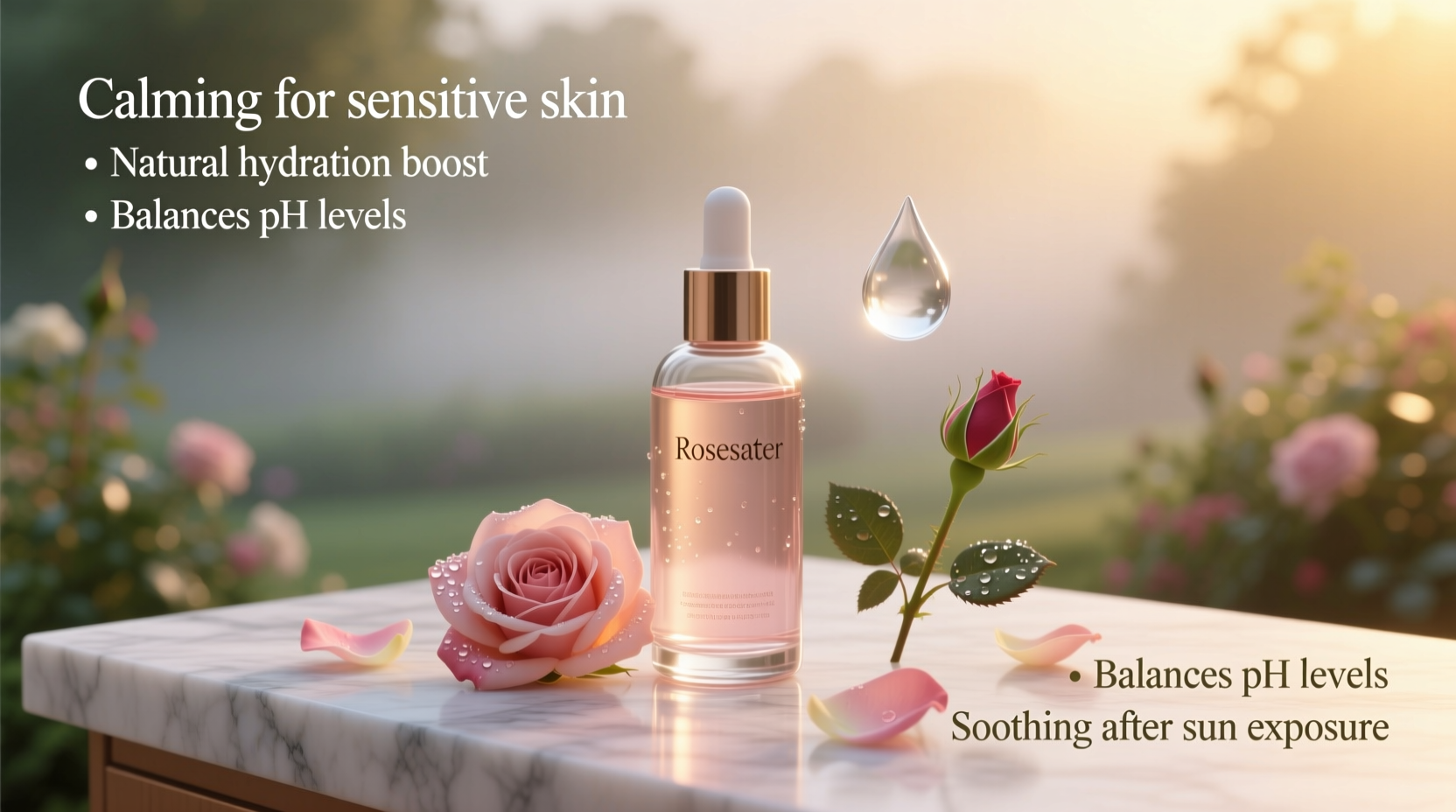
- Hydration Boost: Acts as a humectant, helping the skin retain moisture without clogging pores—ideal for dry or dehydrated complexions.
- Soothing Irritation: Its anti-inflammatory compounds can calm redness, sunburn, or post-procedure sensitivity.
- pH Balancing: Helps restore the skin’s natural pH after cleansing, particularly useful if you use alkaline soaps.
- Makeup Setting Aid: When used as a facial mist, it sets makeup while adding a dewy finish.
- Gentle Cleansing Support: Can remove final traces of dirt or cleanser residue without stripping the skin.
For people with sensitive or reactive skin, rosewater toner often serves as a low-risk alternative to harsher toners containing acids or alcohol. It’s also popular during retinoid or chemical peel regimens to reduce discomfort.
“Rosewater is one of the few botanical ingredients with actual clinical data supporting its anti-irritant effects. It won’t treat acne or wrinkles, but it can make aggressive treatments more tolerable.” — Dr. Lena Torres, Board-Certified Dermatologist
Limitations and Misconceptions
While rosewater toner has merits, it’s frequently overhyped. Understanding what it *doesn’t* do is just as important as knowing what it does.
Myth: It treats acne.
Reality: There’s no strong evidence that rosewater kills acne-causing bacteria. Some lab studies show mild antimicrobial activity, but not at levels comparable to benzoyl peroxide or salicylic acid. If you have acne-prone skin, don’t rely on rosewater as a treatment.
Myth: It tightens pores.
Reality: Pore size is genetically determined and cannot be permanently altered. Any “tightening” effect is temporary and due to mild surface dehydration or cooling—similar to splashing cold water on your face.
Myth: All rosewater is natural and safe.
Reality: Many commercial products contain synthetic fragrances labeled as “fragrance (parfum)” even if they include some real rosewater. These additives can trigger allergies or sensitivities, especially in those with eczema or rosacea.
Additionally, rosewater lacks active ingredients like niacinamide, hyaluronic acid, or vitamin C in meaningful concentrations unless specifically formulated with them. Don’t expect dramatic anti-aging results from rosewater alone.
Choosing the Right Product: A Practical Checklist
Not every bottle labeled “rosewater toner” delivers the same results. Use this checklist to evaluate whether a product is worth incorporating into your routine:
- Check the ingredient list: “Rosa damascena flower water” should be near the top.
- Avoid alcohol (ethanol or denatured alcohol) in the first five ingredients—it can dry and irritate.
- Look for minimal additives: fewer than 10 ingredients is ideal for sensitive skin.
- Opt for opaque or dark glass packaging to protect against light degradation.
- Verify if it’s steam-distilled rather than solvent-extracted (often listed as “perfume” or “fragrance”).
- Test for scent intensity: overly strong perfume may indicate synthetic components.
- Consider DIY options only if you can ensure sterility and proper dilution.
Comparison: Rosewater Toner vs. Other Popular Toners
| Toner Type | Best For | Key Benefits | Potential Downsides |
|---|---|---|---|
| Rosewater | Sensitive, dry, or irritated skin | Hydration, soothing, pH balance | Limited active benefits; variable quality |
| Witch Hazel | Oily, acne-prone skin | Astringent, reduces oiliness | Can be drying; often contains alcohol |
| Glycolic Acid | Dull, aging, or congested skin | Exfoliation, brightening, texture improvement | Irritating for sensitive skin; increases sun sensitivity |
| Niacinamide | All skin types, especially uneven tone | Pore refinement, oil control, barrier support | May cause flushing at high concentrations |
| Hyaluronic Acid | Dehydrated or mature skin | Intense hydration, plumping | Needs occlusive layer to lock in moisture |
This comparison shows that rosewater excels in gentleness and comfort but doesn’t replace targeted treatments. It works best as a supportive step, not a primary actives carrier.
Real-World Example: A Case Study in Sensitivity Management
Marina, a 34-year-old graphic designer, struggled with persistent facial redness and stinging after switching to a new foaming cleanser. She had been using a glycolic acid toner nightly, which initially improved her texture but eventually led to flaking and discomfort.
After consulting a dermatologist, she was advised to simplify her routine. As part of the recovery protocol, she replaced her exfoliating toner with a pure rosewater spray to soothe her compromised barrier. Within two weeks, her redness decreased significantly. She reintroduced active ingredients slowly, using the rosewater toner afterward to calm any irritation.
“It wasn’t glamorous,” she says, “but spraying something cool and gentle made my skin feel stable again. I still keep it in the fridge for days when my skin feels ‘angry.’”
This case illustrates rosewater’s role not as a transformative agent, but as a stabilizing tool during periods of sensitivity or transition.
How to Use Rosewater Toner Effectively
To get the most out of rosewater toner, follow this simple integration guide:
- Cleanse First: Apply to freshly washed skin to prep for subsequent products.
- Application Method: Pour onto a cotton pad and swipe gently, or spritz directly onto the face.
- Layer While Damp: Apply serums or moisturizers immediately after to lock in hydration.
- Frequency: Once or twice daily, depending on tolerance and climate.
- Storage: Keep in a cool, dark place. Refrigeration enhances the soothing effect, especially in hot weather.
- Pair Wisely: Combine with ceramides, squalane, or peptides for enhanced repair. Avoid mixing with high-strength acids unless your skin is acclimated.
Some users enjoy using rosewater as a midday refresher—particularly under masks or in air-conditioned environments. Just ensure your hands or spray nozzle are clean to prevent bacterial contamination.
Frequently Asked Questions
Can I use rosewater toner every day?
Yes, if it’s pure and free of alcohol or synthetic fragrances. Most people tolerate daily use well, especially those with dry or sensitive skin. However, discontinue use if you notice itching, redness, or breakouts.
Does rosewater toner expire?
Yes. Pure rosewater typically lasts 6–12 months, especially once opened. Check for changes in smell, color, or cloudiness. Preservative-free versions should be refrigerated and used within a few months.
Can I make my own rosewater at home?
You can, but homemade versions carry contamination risks and inconsistent potency. If attempting it, use organic, pesticide-free roses and distilled water. Simmer petals in water for 20–30 minutes, strain, and store in sterilized glass. Still, commercially produced, steam-distilled rosewater is generally safer and more reliable.
Final Verdict: Worth It—With Caveats
Rosewater toner isn’t a revolutionary skincare breakthrough, but it holds legitimate value in specific contexts. It shines as a calming, hydrating intermediary step—particularly for those with reactive skin, environmental damage, or intolerance to stronger ingredients.
However, it shouldn’t replace clinically proven treatments for acne, hyperpigmentation, or aging. Think of it as a supportive player, not the lead actor. When sourced wisely and used intentionally, it can enhance comfort, improve routine adherence, and provide subtle but meaningful improvements in skin resilience.
The hype around rosewater often overshadows its modest yet practical role. By setting realistic expectations and choosing quality formulations, you can harness its benefits without falling for inflated claims.
🚀 Ready to simplify your routine? Try a pure rosewater toner for one week as a reset step—observe how your skin responds. Share your experience in the comments and help others navigate the line between skincare science and sensation.








