Jade rolling has become a staple in modern skincare routines, often seen gliding across social media feeds with promises of depuffing, glowing skin, and even anti-aging benefits. But as its popularity soars, so do the questions: Is this centuries-old practice backed by real physiological effects, or is it simply another example of “skincare theater”—a ritual that feels good but lacks scientific muscle? The truth lies somewhere in between. While jade rolling may not reverse deep wrinkles or replace medical treatments, emerging evidence and dermatological insights suggest it can offer measurable benefits, particularly when it comes to enhancing facial circulation.
To understand whether jade rolling is more than aesthetic appeal, we need to examine how it interacts with the body’s circulatory system, lymphatic drainage, and skin physiology. More importantly, we must separate marketing hype from what the tool can realistically achieve when used correctly and consistently.
The Science Behind Facial Circulation and Skin Health
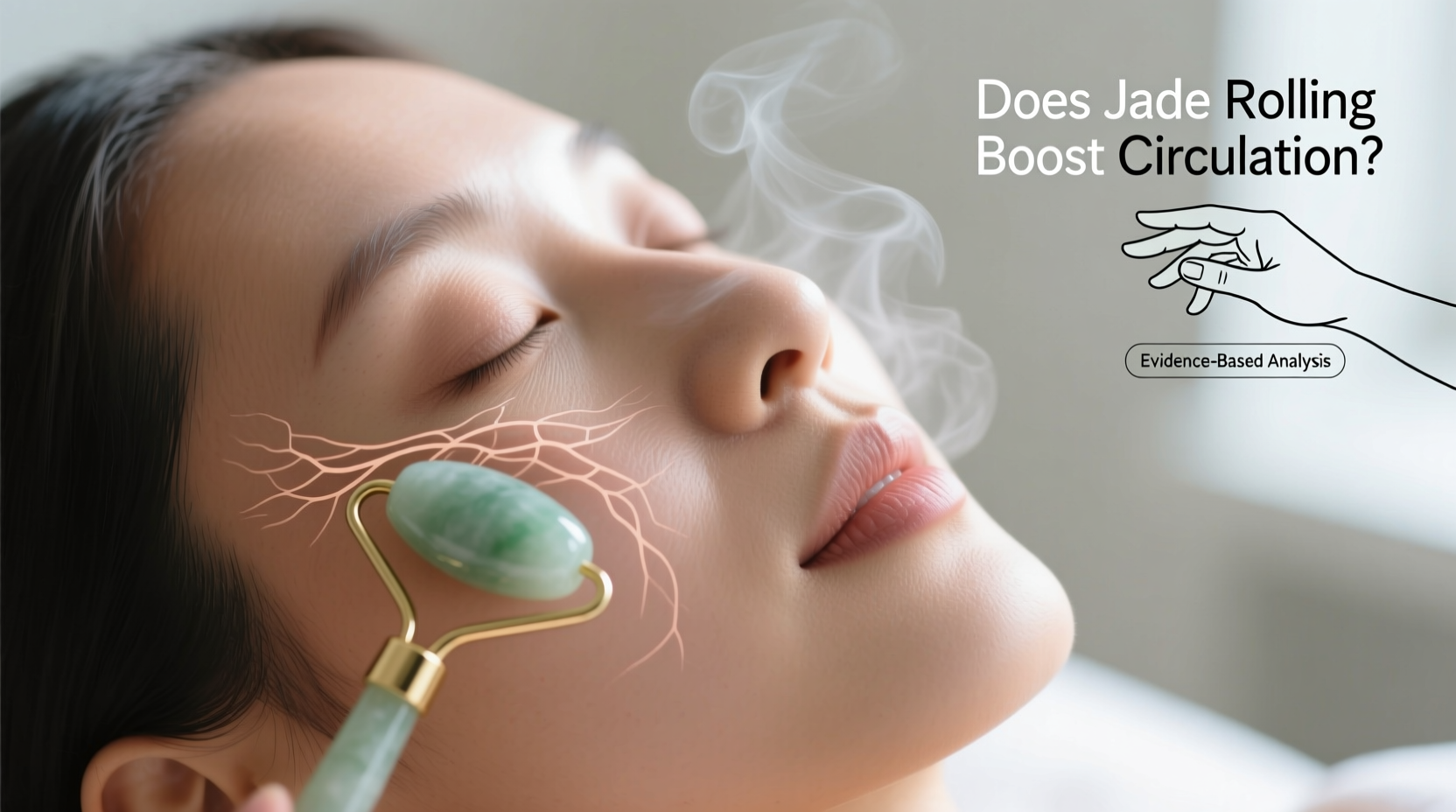
Blood circulation plays a vital role in maintaining healthy, radiant skin. Oxygen and nutrients delivered via blood flow support cellular turnover, collagen production, and overall tissue repair. Poor circulation, on the other hand, can contribute to dullness, puffiness, and slower healing. The face, being rich in capillaries, responds visibly to changes in circulation—think of blushing or cold-induced paleness.
The lymphatic system, which runs parallel to the circulatory system, helps remove waste, excess fluid, and toxins from tissues. Unlike blood, lymph doesn’t have a pump like the heart; instead, it relies on muscle movement and manual stimulation to flow. This is where tools like the jade roller come into play. By applying gentle pressure and directional strokes, users may assist lymphatic drainage and encourage microcirculation in the facial tissues.
“While jade rolling won’t replace professional treatments, consistent use can support lymphatic flow and temporarily improve skin tone through enhanced circulation.” — Dr. Lena Park, Board-Certified Dermatologist
Does Jade Rolling Actually Boost Circulation? Evidence and Mechanisms
There is limited peer-reviewed research specifically on jade rolling, but studies on facial massage and manual lymphatic drainage provide relevant insight. A 2018 study published in *Complementary Therapies in Clinical Practice* found that facial massage significantly increased skin temperature—a proxy for improved blood flow—immediately after treatment. Another study in *Journal of Cosmetic Dermatology* noted temporary improvements in facial contour and reduced edema following lymphatic drainage techniques.
Jade rollers work primarily through mechanical stimulation. When rolled across the skin using upward and outward motions:
- Gentle pressure activates superficial blood vessels, prompting vasodilation (widening of blood vessels).
- Movement encourages lymph fluid to move toward lymph nodes located near the ears and jawline.
- Cooling from the stone (especially when refrigerated) causes mild vasoconstriction, which can reduce inflammation and tighten the appearance of pores.
The combination of these effects can result in a short-term glow, reduced puffiness—particularly around the eyes—and a lifted appearance. These outcomes are not imaginary; they stem from real physiological responses, albeit temporary ones.
Tip: For maximum circulation benefit, store your jade roller in the refrigerator for 10–15 minutes before use. The cool surface enhances vasoconstriction and reduces morning puffiness.Skincare Theater vs. Functional Benefit: Where’s the Line?
The term “skincare theater” refers to routines or products that create a sensory experience without delivering substantial clinical results. Think: sheet masks with dramatic unfoldings, crystal-infused serums, or sonic devices with flashing lights. Jade rolling walks the line between genuine function and ritualistic appeal.
On one hand, the act of rolling can feel luxurious and meditative, promoting mindfulness and reducing stress—both of which indirectly benefit skin health. On the other hand, the physical action does produce measurable, if transient, changes in skin appearance and circulation.
The key differentiator is expectation. If users believe a jade roller will eliminate acne scars or dramatically tighten sagging skin, they’re likely to be disappointed. But if the goal is to enhance product absorption, reduce temporary puffiness, and support lymphatic flow, then the tool serves a functional purpose.
Moreover, the placebo effect should not be dismissed. Feeling pampered and engaged in self-care can reduce cortisol levels, which in turn lowers inflammation and improves skin barrier function. In this sense, even if some benefits are psychological, they still translate into tangible skin outcomes.
Do’s and Don’ts of Jade Rolling for Circulation
| Action | Why It Matters |
|---|---|
| Do: Use light to moderate pressure | Excessive force can damage delicate facial capillaries and cause broken capillaries or irritation. |
| Do: Follow lymphatic pathways (cheeks → jaw → neck) | Encourages proper drainage and prevents fluid buildup. |
| Do: Clean your roller after each use | Prevents bacterial transfer, especially important if used over active breakouts. |
| Don’t: Apply over active cystic acne or open wounds | Can spread bacteria and worsen inflammation. |
| Don’t: Expect permanent lifting or tightening | Jade rolling offers temporary toning effects, not structural change. |
| Don’t: Skip moisturizer or serum | Rolling on dry skin increases friction and negates glide-assisted absorption. |
A Step-by-Step Guide to Maximize Circulation Benefits
To get the most out of your jade roller—not just for aesthetics but for circulation enhancement—follow this evidence-informed routine:
- Prep Your Skin: After cleansing, apply a hydrating serum or facial oil. This creates slip and prevents tugging. Hydrated skin also conducts thermal changes more effectively, amplifying the roller’s cooling effect.
- Chill the Roller: Place your jade roller in the fridge for 10–15 minutes before use. Cold therapy constricts blood vessels initially, followed by reactive dilation, boosting microcirculation.
- Start at the Center: Begin under the eyes and roll outward toward the temples. Use the smaller end for delicate areas like the orbital bone.
- Move Downward Along Jawline: From the chin, roll along the jaw toward the lymph nodes below the ears. Repeat 3–5 times per side.
- Sweep Up the Neck: Use broad strokes from the collarbone up to the jaw. This clears congestion and supports full lymphatic drainage.
- Finish with Forehead Strokes: Start between the eyebrows and roll upward and outward to the hairline. This counters gravity and relieves tension.
- Duration: Spend 3–5 minutes total. Overuse can lead to desensitization or irritation.
Real-World Example: Morning Routine Transformation
Sophie, a 34-year-old graphic designer, struggled with chronic facial puffiness and dullness, especially after late nights. She began incorporating a chilled jade roller into her morning skincare routine, using it after applying a vitamin C serum and facial oil. Within two weeks, she noticed her under-eye area appeared less swollen and her foundation applied more evenly.
She tracked her progress with weekly selfies and kept a journal noting how her skin felt. “It’s not that my skin suddenly looked 10 years younger,” she said, “but I looked more awake. My colleagues even commented that I seemed less tired.” A dermal scan at her dermatologist’s office showed a slight increase in epidermal hydration and microcirculation in the cheek and periorbital regions—consistent with improved lymphatic flow.
While Sophie didn’t see dramatic anti-aging shifts, the ritual helped her stay consistent with skincare and introduced a moment of mindfulness into her day. Her experience illustrates how functional benefits and psychological rewards can coexist.
Expert Insights: What Dermatologists Say
Not all dermatologists endorse jade rolling, but many acknowledge its supportive role. Dr. Rajiv Bose, a cosmetic dermatologist with over 15 years of clinical experience, explains:
“Facial massage, including with tools like jade rollers, can stimulate blood flow and promote relaxation of facial muscles. I don’t prescribe it as a treatment, but I don’t discourage it either—especially when patients enjoy it and use it properly.” — Dr. Rajiv Bose, MD
He cautions, however, against overstatement: “If someone has rosacea or sensitive capillaries, aggressive rolling can trigger redness or telangiectasia. Technique matters more than the tool itself.”
Licensing the practice to trained estheticians or pairing it with professional treatments like gua sha or radiofrequency may amplify benefits. At-home use, while less potent, still holds value when integrated thoughtfully.
Checklist: Optimizing Your Jade Rolling Practice
Use this checklist to ensure you’re maximizing both circulation and skincare benefits:
- ✅ Store roller in the fridge for cooling effect
- ✅ Use a serum or oil for smooth glide
- ✅ Clean roller with mild soap and water after each use
- ✅ Roll in upward and outward motions, following lymphatic pathways
- ✅ Limit sessions to 3–5 minutes daily or every other day
- ✅ Avoid use on inflamed acne, rashes, or broken skin
- ✅ Combine with deep breathing or meditation for added stress reduction
- ✅ Be patient—benefits are cumulative and subtle
Frequently Asked Questions
Can jade rolling really reduce puffiness?
Yes, but temporarily. The rolling motion helps move excess fluid out of facial tissues via the lymphatic system, especially when done in the morning. For lasting results, consistency is key. Pairing it with a low-sodium diet and adequate sleep enhances the effect.
Does the type of stone matter?
Most rollers are made from jade or rose quartz. Jade is naturally cooler and believed to have balancing properties in traditional Chinese medicine, though there’s no scientific difference in performance. Both stones conduct temperature well, but jade is slightly harder and may retain cold longer. Ultimately, material choice is personal—what matters most is the technique and regularity of use.
How often should I use a jade roller?
Daily use is safe for most skin types, especially if gentle pressure is applied. Many users prefer morning sessions to depuff and evening use to relax facial muscles. Twice daily is acceptable, but avoid overuse, which may lead to irritation or diminished sensitivity to the benefits.
Conclusion: Ritual Meets Reality
Jade rolling is neither miracle cure nor meaningless theater. It sits at the intersection of tradition, tactile therapy, and circulatory science. While it won’t replace retinoids, lasers, or prescription treatments, it can serve as a valuable adjunct to a holistic skincare regimen. Its ability to boost microcirculation, support lymphatic drainage, and enhance product penetration gives it legitimate functional merit.
The real power of jade rolling may lie in its invitation to slow down—to touch your skin with intention, to notice subtle changes, and to engage in daily acts of care. In a world of fast fixes and aggressive treatments, sometimes the gentlest tools offer the most sustainable benefits.
🚀 Ready to test the circulation claims for yourself? Try a 14-day jade rolling challenge: use it every morning on clean, damp skin and document any changes in puffiness, radiance, or product absorption. Share your results—you might discover that the real magic isn’t in the stone, but in the ritual.








