
Cold plunging—immersing the body in water typically between 50°F and 59°F (10–15°C) for short durations—has surged in popularity among biohackers, athletes, and wellness enthusiasts. Advocates praise its ability to sharpen focus, reduce inflammation, and improve mood. Yet, few can deny the initial shock: gasping breaths, trembling limbs, and an overwhelming urge to flee the icy embrace. So, is enduring this brief but intense discomfort truly beneficial for everyday health?
The answer isn’t a simple yes or no. While emerging research and anecdotal evidence suggest meaningful physiological and psychological benefits, cold plunging is not a one-size-fits-all solution. Its value depends on individual goals, health status, consistency, and how it’s integrated into a broader wellness routine.
The Science Behind Cold Plunging
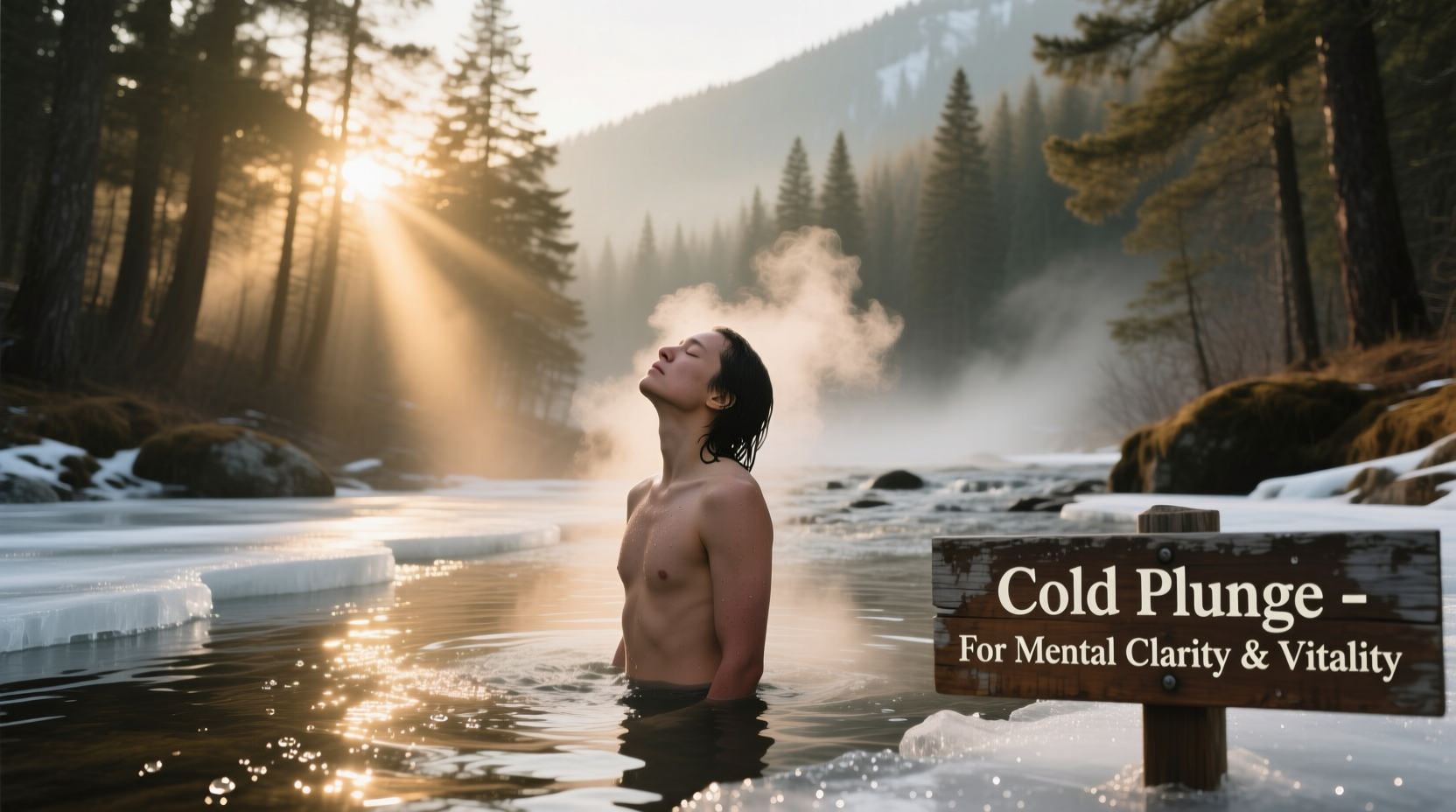
When the body enters cold water, it triggers a cascade of adaptive responses. The sudden temperature drop activates the sympathetic nervous system—the “fight-or-flight” pathway—causing an immediate spike in heart rate and adrenaline. This acute stress response, when repeated safely and intentionally, may train the body to become more resilient over time.
One of the most studied effects is the reduction of systemic inflammation. A 2018 study published in *PLOS One* found that regular cold water immersion significantly reduced markers like interleukin-6 and C-reactive protein, both associated with chronic inflammation. This makes cold plunging potentially valuable for those managing autoimmune conditions or recovering from intense physical exertion.
Additionally, cold exposure stimulates brown adipose tissue (BAT), a type of fat that burns calories to generate heat. Activating BAT has been linked to improved metabolic health and insulin sensitivity, suggesting long-term benefits for weight management and glucose regulation.
“Repeated cold exposure can recalibrate the autonomic nervous system, leading to improved stress resilience and emotional regulation.” — Dr. Craig Heller, Professor of Biology, Stanford University
Key Benefits of Regular Cold Plunging
The appeal of cold plunging extends beyond fleeting trends. Many of its reported advantages are grounded in physiology and supported by preliminary research:
- Enhanced recovery: Athletes use cold immersion to reduce muscle soreness and speed up recovery after training. The vasoconstriction caused by cold slows blood flow, limiting swelling and cellular damage.
- Mood elevation: Cold exposure triggers a surge in norepinephrine, a neurotransmitter linked to alertness and mood stabilization. Some studies show levels increase by up to 530% during immersion, which may help combat symptoms of depression and anxiety.
- Improved circulation: Alternating between cold and warm environments (as in contrast therapy) trains blood vessels to constrict and dilate efficiently, supporting cardiovascular health.
- Sharper mental focus: The shock of cold water forces immediate presence, clearing mental fog and enhancing concentration for hours afterward.
- Better sleep quality: By lowering core body temperature post-plunge, some users report falling asleep faster and experiencing deeper rest.
Common Risks and Who Should Avoid It
Despite its benefits, cold plunging is not without risks. The abrupt stress on the cardiovascular system can be dangerous for individuals with uncontrolled hypertension, heart disease, or arrhythmias. The sudden increase in blood pressure and heart rate may trigger adverse events in vulnerable populations.
Raynaud’s syndrome sufferers may experience exacerbated symptoms due to extreme vasoconstriction. Pregnant women and those with compromised immune systems should consult a physician before attempting regular cold immersion.
Another overlooked risk is hypothermia, especially during prolonged sessions or in extremely cold water. Even experienced practitioners can misjudge their limits, particularly when chasing endorphins or mental clarity.
Moreover, improper technique—such as holding your breath or plunging immediately after intense exercise—can increase the risk of fainting or cardiac strain.
Who Should Consult a Doctor First?
- Individuals with heart conditions
- People with high blood pressure
- Those with respiratory issues like asthma
- Pregnant women
- Anyone with circulatory disorders
A Real-World Example: From Skeptic to Advocate
Take the case of Marcus, a 42-year-old software engineer from Portland. Chronic back pain and low energy plagued his daily life. He’d tried meditation, gym routines, and even supplements, but nothing delivered lasting change. On a podcast, he heard about Wim Hof’s breathing and cold exposure method. Skeptical but desperate, he decided to test it for 30 days.
Marcus started with 30-second showers ending in cold water. The first week was brutal—shivering, irritability, and near abandonment. But by day 10, he noticed something unusual: his morning stiffness had lessened. By week three, his focus at work improved, and he no longer needed afternoon caffeine crashes.
After a month, Marcus completed his first full 3-minute ice bath. While the discomfort didn’t vanish, his tolerance grew. More importantly, his resting heart rate dropped from 72 to 64 bpm, and he reported feeling “more present” throughout the day.
His story isn’t unique. Thousands have shared similar journeys online, though results vary. What stands out is the common thread: initial resistance followed by gradual adaptation and perceived gains in vitality.
Step-by-Step Guide to Starting Safely
If you're considering cold plunging, approach it methodically. Sudden immersion without preparation increases risk and decreases adherence. Follow this timeline to integrate cold exposure responsibly:
- Week 1: Cold Showers
End your regular shower with 30 seconds of cold water. Breathe deeply through the nose and out through the mouth to manage shock. - Week 2: Extend Duration
Increase cold exposure to 60 seconds. Focus on staying calm rather than rushing through it. - Week 3: Introduce Partial Immersion
Sit in a bathtub filled with cold water up to your waist for 1–2 minutes. Add ice if needed. - Week 4: Full Submersion
Immerse your entire body (excluding head, if preferred) for 2–3 minutes. Use a timer and never push beyond safe limits. - Ongoing: Monitor & Adjust
Track changes in energy, sleep, and mood. Adjust frequency based on how your body responds—most benefit from 3–4 sessions per week.
Do’s and Don’ts of Cold Plunging
| Do’s | Don’ts |
|---|---|
| Start with short durations and build tolerance | Stay in too long—limit sessions to 2–5 minutes |
| Breathe deeply and steadily to regulate your nervous system | Hold your breath or panic—this increases cardiac strain |
| Warm up gradually afterward (light movement, dry off) | Rush into a hot shower immediately—this can cause dizziness |
| Use cold plunging as part of a holistic wellness plan | Replace medical treatment with cold therapy alone |
| Listen to your body—if you feel dizzy, exit immediately | Force yourself past signs of distress |
Expert Insights: Balancing Hype and Evidence
While social media often portrays cold plunging as a miracle cure, experts urge caution. Dr. Rhonda Patrick, a biomedical scientist specializing in aging and metabolism, emphasizes moderation:
“Cold exposure is a powerful hormetic stressor—it works because it challenges the body in a controlled way. But like any stress, too much can be harmful. The dose makes the poison.” — Dr. Rhonda Patrick, FoundMyFitness
She notes that while animal studies show promising links between cold exposure and longevity pathways like autophagy, human data remains limited. Most conclusions are drawn from small trials or observational reports.
Still, she acknowledges the psychological edge: “The act of voluntarily facing discomfort builds mental toughness. That mindset shift can ripple into other areas of life—work, relationships, discipline.”
Frequently Asked Questions
How often should I cold plunge for optimal results?
For general wellness, 3–4 times per week is sufficient. Daily plunging can be effective for athletes or those under high stress, but ensure adequate recovery and monitor for signs of overtraining or adrenal fatigue.
Can cold plunging help with weight loss?
Indirectly, yes. Cold exposure activates brown fat, which burns calories to produce heat. However, the caloric expenditure is modest—likely under 100–200 calories per session. It should complement, not replace, diet and exercise for weight management.
Is there a best time of day to cold plunge?
Morning plunges can boost alertness and set a focused tone for the day. Evening sessions may improve sleep for some, but others find the adrenaline surge disruptive. Experiment to see what aligns with your rhythm.
Final Verdict: Weighing Discomfort Against Gains
So, is cold plunging worth the discomfort? For many, the answer leans toward yes—but with caveats. The benefits are not instant nor universal. They accumulate over weeks of consistent practice and depend heavily on proper technique and individual physiology.
The discomfort is real, but so is the potential payoff: greater resilience, reduced inflammation, sharper cognition, and an enhanced sense of control over one’s body and mind. When approached intelligently, cold plunging becomes less about enduring pain and more about cultivating discipline and self-awareness.
It’s not necessary for everyone. You won’t fail at wellness if you skip the ice bath. But for those seeking a tangible, science-informed tool to upgrade daily function, cold immersion offers a compelling option—one that turns temporary suffering into lasting strength.
💬 Ready to take the plunge? Start with a cold shower tomorrow. Track how you feel over two weeks. Share your journey in the comments—your experience could inspire someone else to brave the chill.








