
Drying dishes might seem like a simple, routine task—but the method you choose can have meaningful implications for hygiene, food safety, and household health. With many people divided between air drying and towel drying, it's worth examining which approach is safer and why. While both methods are widely used, their impact on bacterial contamination, cross-contamination risk, and long-term kitchen cleanliness varies significantly. This article dives into the science behind each method, evaluates real-world risks, and provides practical guidance to help you make an informed decision.
The Science of Drying: Why It Matters
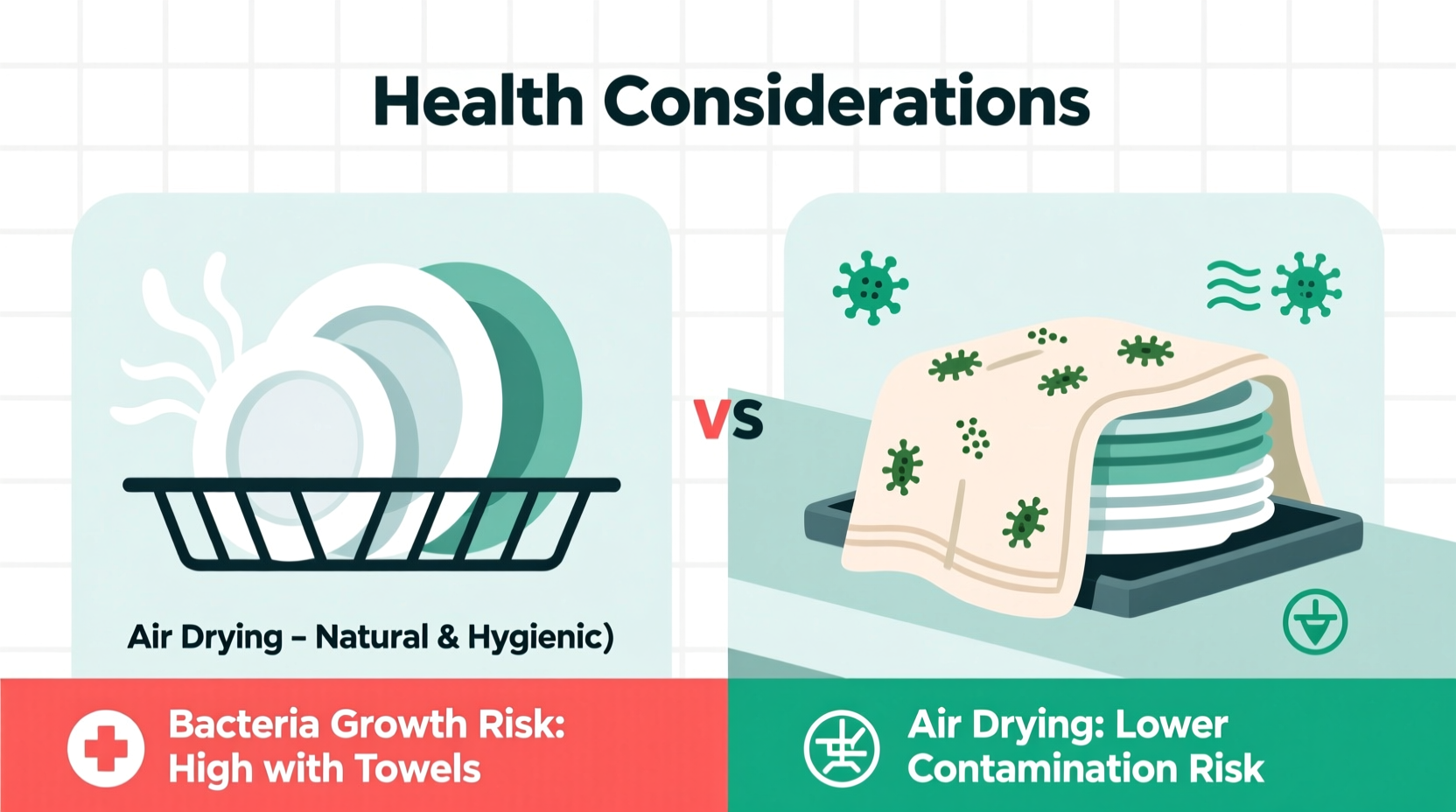
Drying is more than just removing water—it’s a critical step in preventing microbial growth. After washing, dishes often still carry residual moisture, which creates an ideal environment for bacteria such as E. coli, Salmonella, and Staphylococcus aureus. These pathogens thrive in damp conditions and can multiply rapidly if given the opportunity. The goal of drying is not only to eliminate visible water but also to minimize the window during which bacteria can recontaminate clean surfaces.
Air drying works by allowing moisture to evaporate naturally, typically on a rack where dishes are spaced apart for airflow. Towel drying, on the other hand, involves direct contact with fabric, which may introduce new contaminants if the towel isn’t perfectly clean or dry.
Tip: Always rinse dishes thoroughly before drying to remove any soap residue that could trap bacteria.Air Drying: Benefits and Best Practices
Air drying is generally considered the more hygienic option by public health experts. When dishes are left to dry on a clean rack in a well-ventilated area, there is no physical transfer of microbes from external sources. Gravity helps drain excess water, and evaporation completes the job without introducing additional variables.
One major advantage of air drying is consistency. Unlike towels, which require frequent laundering and proper storage, a dish rack needs minimal maintenance—provided it’s cleaned regularly and not allowed to accumulate standing water or food debris.
To maximize the effectiveness of air drying:
- Use a stainless steel or plastic rack that resists mold and mildew.
- Ensure dishes are properly spaced to allow airflow around all surfaces.
- Place the rack near a window or fan to accelerate drying time.
- Clean the rack weekly with hot, soapy water and disinfect monthly.
- Avoid overcrowding, which traps moisture and promotes bacterial growth.
“Air drying eliminates the risk of cross-contamination from textiles, making it the preferred method in clinical and food service environments.” — Dr. Lena Torres, Microbiologist at the National Institute of Food Safety
Towel Drying: Convenience vs. Risk
Towel drying remains popular due to its speed and tactile satisfaction—many people feel that dishes dried with a cloth look and feel cleaner. However, this method introduces several potential health hazards. Even a seemingly clean towel can harbor bacteria, especially if it has been used multiple times, stored in a humid environment, or not washed frequently enough.
A 2020 study published in the Journal of Applied Microbiology found that kitchen towels used daily without regular replacement tested positive for coliform bacteria in over 30% of households surveyed. The risk increased significantly in homes with children, pets, or raw meat consumption.
The primary issue with towel drying lies in repeated use. A single towel used across multiple meals becomes a reservoir for microbes transferred from hands, sponges, and even raw ingredients. Unless the towel is laundered after every few uses—and ideally at high temperatures—the risk of recontaminating supposedly clean dishes rises dramatically.
When Towel Drying Might Be Acceptable
There are scenarios where towel drying can be safe—if strict protocols are followed:
- Use only dedicated, freshly laundered microfiber or cotton cloths.
- Launder towels at 60°C (140°F) or higher to kill bacteria.
- Never reuse a towel without washing, even if it appears dry.
- Avoid using the same towel for wiping counters or hands.
- Store dry towels in a ventilated cabinet, away from sinks and stoves.
Comparative Risks: Air Drying vs. Towel Drying
| Factor | Air Drying | Towel Drying |
|---|---|---|
| Bacterial Contamination Risk | Low (if rack is clean) | High (especially with reused towels) |
| Cross-Contamination Potential | Minimal | Significant |
| Drying Speed | Moderate to slow (depends on airflow) | Fast |
| Maintenance Required | Weekly rack cleaning | Daily towel laundering |
| Suitability for Delicate Items | Excellent (no friction) | Risky (lint, scratches) |
| Energy & Resource Use | None | Water, detergent, electricity for laundry |
The table highlights a key trade-off: convenience versus safety. While towel drying offers immediate results, it demands rigorous hygiene habits to remain safe. In contrast, air drying is inherently lower-risk but requires space and patience.
Real-World Example: A Busy Household’s Experience
In a case observed by a home hygiene consultant in Portland, Oregon, a family of five reported recurring stomach issues despite maintaining what they believed was a clean kitchen. Upon inspection, the source was traced not to food preparation but to their dish-drying routine. They used two cotton towels interchangeably—one for drying dishes, the other for wiping counters—both stored damp under the sink. Lab tests revealed high levels of E. coli on both towels and subsequently on drinking glasses that had been towel-dried.
After switching to an air-drying rack and implementing a strict towel protocol (one-use-only, machine-washed daily at high heat), the family noticed a marked improvement in overall wellness within three weeks. This example underscores how a small, overlooked habit can have outsized consequences on household health.
Step-by-Step Guide to Safer Dish Drying
Whether you prefer air drying or occasionally use a towel, following a structured process ensures maximum hygiene:
- Scrape and rinse: Remove food particles thoroughly before washing.
- Wash with hot, soapy water: Use water above 40°C (104°F) to help kill surface bacteria.
- Rinse completely: Ensure no soap film remains, which can attract microbes.
- Shake off excess water: Reduces drying time and minimizes pooling.
- Choose your drying method:
- For air drying: Place dishes on a clean rack with space between items.
- For towel drying: Use only a freshly laundered, dry microfiber cloth.
- Allow full drying: Do not stack or store dishes until completely dry.
- Clean equipment weekly: Wash racks, sanitize sponges, and launder all towels.
Expert Recommendations and Public Health Guidelines
The U.S. Department of Agriculture (USDA) and the Centers for Disease Control and Prevention (CDC) both recommend air drying as the safest method for residential and commercial kitchens. According to the USDA’s Food Safety Education team, “Using a clean towel can be acceptable, but only when the towel is used once and immediately laundered. Most households don’t meet that standard consistently.”
Similarly, the World Health Organization emphasizes reducing moisture retention in kitchen tools and surfaces to prevent biofilm formation—a slimy layer of bacteria that adheres to materials over time. Air drying supports this principle by eliminating prolonged contact with absorbent fabrics.
“Hygiene isn’t just about washing—it’s about what happens afterward. How you dry your dishes can undo all the good work of scrubbing.” — Dr. Alan Meeks, Environmental Health Specialist, CDC
Frequently Asked Questions
Can I use a towel if I wash it every day?
Yes, daily laundering at high temperatures (60°C/140°F or higher) makes towel drying significantly safer. However, even clean towels can pick up bacteria during use if placed on contaminated surfaces. For optimal safety, reserve towels exclusively for dishes and avoid multitasking them.
Does air drying leave water spots?
It can, especially in areas with hard water. To minimize spotting, rinse dishes with distilled or filtered water, or use a rinse aid in your dishwasher. Water spots are mostly cosmetic and do not indicate poor hygiene, though they may signal mineral buildup over time.
Are wooden dish racks safe for air drying?
Wood can absorb moisture and develop mold if not properly maintained. If using a wooden rack, ensure it dries completely between uses and treat it periodically with food-safe mineral oil. Stainless steel or plastic racks are generally more hygienic and easier to clean.
Final Checklist for Safe Dish Drying
- ✅ Use an air-drying rack whenever possible.
- ✅ Clean the rack weekly with hot, soapy water.
- ✅ If using towels, wash them after 1–2 uses at high heat.
- ✅ Never use a damp or musty-smelling towel on clean dishes.
- ✅ Avoid stacking dishes before they’re fully dry.
- ✅ Replace sponges and scrubbers weekly or sanitize daily.
- ✅ Keep the drying area well-ventilated and away from cooking steam.
Conclusion: Prioritizing Health in Everyday Habits
The way you dry your dishes is more than a matter of preference—it’s a component of household food safety. While towel drying offers speed and familiarity, air drying stands out as the safer, more reliable method for minimizing bacterial exposure. By understanding the risks associated with damp textiles and adopting simple best practices, you can protect your family from preventable illness.
Small changes yield significant results. Switching to air drying, maintaining clean equipment, and treating kitchen towels with the same care as cutting boards can transform your kitchen into a truly hygienic space. Start today: clean your dish rack, retire that old towel, and let your dishes dry safely in the open air.
💬 What’s your dish-drying routine? Share your tips or questions in the comments—let’s build a cleaner, healthier kitchen culture together.








