
A hysterectomy — the surgical removal of the uterus — is one of the most common gynecological procedures performed in women, second only to cesarean sections. While it can be life-changing, it’s often a necessary step to address serious health conditions affecting the reproductive system. Understanding why a hysterectomy might be recommended, the types of procedures available, and what to expect before and after surgery empowers patients to make informed decisions about their care.
This guide explores the medical reasons behind uterus removal, outlines what happens during and after the procedure, and provides practical insights from healthcare professionals and real patient experiences.
Common Medical Reasons for Hysterectomy
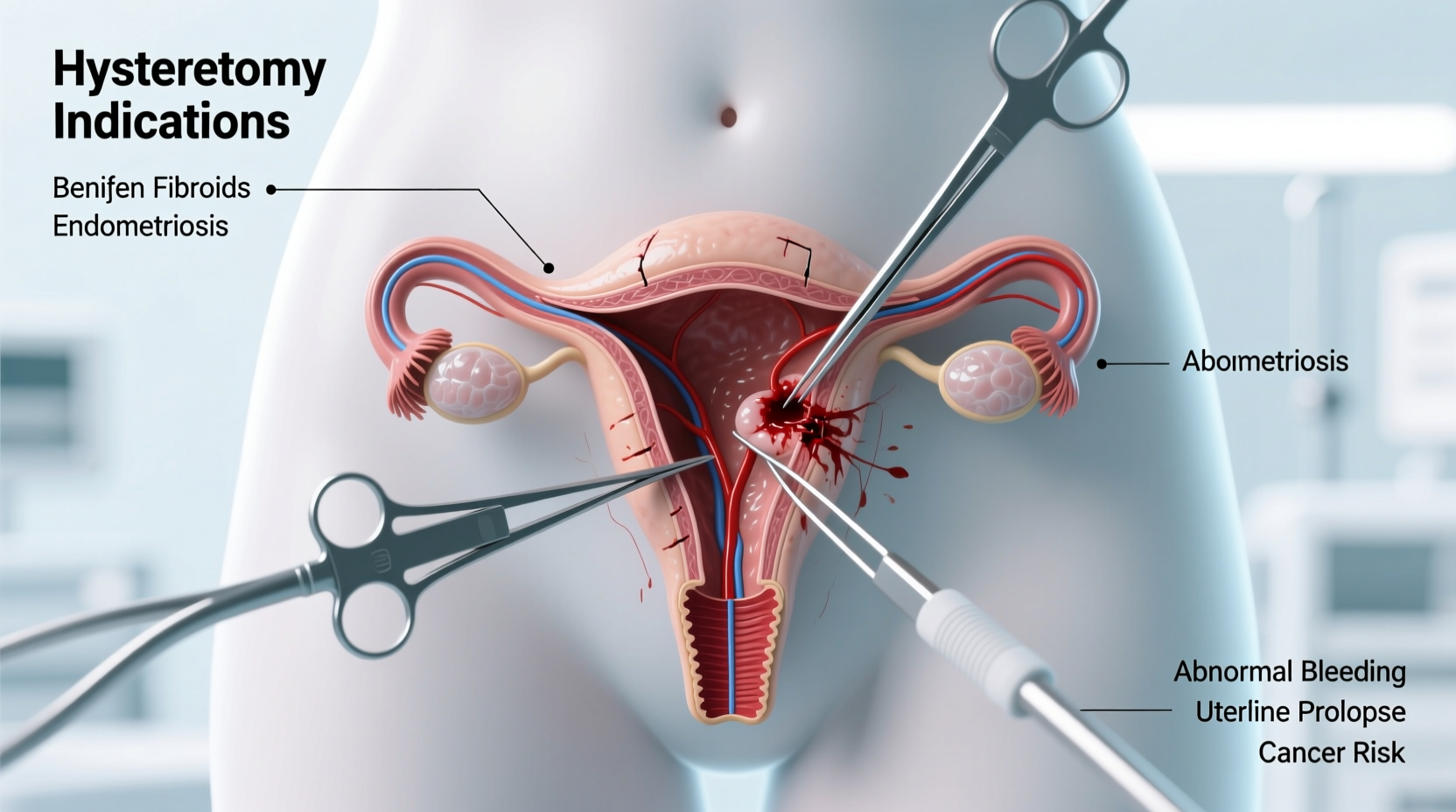
Hysterectomies are not performed lightly. They are typically recommended when other treatments have failed or when a condition poses significant health risks. The decision is made after thorough evaluation by a gynecologist and often involves discussions about fertility preservation, hormonal impact, and quality of life.
- Fibroids: Noncancerous growths in the uterine wall that can cause heavy bleeding, pelvic pain, and pressure on the bladder or bowel.
- Endometriosis: A condition where tissue similar to the uterine lining grows outside the uterus, leading to severe pain and infertility.
- Uterine Prolapse: When the uterus slips from its normal position into the vaginal canal due to weakened pelvic floor muscles, often after childbirth or with aging.
- Adenomyosis: The inner lining of the uterus breaks through the muscle wall, causing an enlarged uterus, painful periods, and heavy bleeding.
- Gynecologic Cancers: Including cervical, ovarian, endometrial, or uterine cancer, where removing the uterus may be part of treatment or prevention.
- Abnormal Uterine Bleeding: Persistent or excessive bleeding unresponsive to medication or less invasive procedures like endometrial ablation.
Types of Hysterectomy Procedures
Not all hysterectomies are the same. The type depends on the underlying condition, patient age, overall health, and whether other reproductive organs need removal.
| Type | Organs Removed | Best For |
|---|---|---|
| Partial (Supracervical) | Upper part of the uterus; cervix remains | Fibroids, preserving cervical function |
| Total | Entire uterus and cervix | Most common; used for cancer prevention, prolapse |
| Radical | Uterus, cervix, upper vagina, surrounding tissues | Cervical or endometrial cancer |
| With Bilateral Salpingo-Oophorectomy | Uterus plus both ovaries and fallopian tubes | Cancer risk reduction, severe endometriosis |
The method of surgery also varies:
- Abdominal: An incision in the lower abdomen; best for large fibroids or cancer but has longer recovery.
- Vaginal: Removal through the vagina; shorter recovery, ideal for prolapse.
- Laparoscopic: Minimally invasive with small abdominal incisions; faster healing and less scarring.
- Robotic-Assisted: Advanced laparoscopy using robotic arms for precision, often used in complex cases.
What to Expect Before Surgery
Preparation begins weeks in advance. Your doctor will conduct blood work, imaging, and possibly a cardiac evaluation depending on your age and health. You’ll discuss anesthesia options, expected hospital stay (same day for some laparoscopic cases, up to two days for abdominal), and post-op care needs.
You’ll likely be asked to stop certain medications (like blood thinners) several days prior and may undergo bowel prep if an abdominal approach is planned. Smoking cessation is strongly encouraged, as it improves healing and reduces complications.
“Patients who engage in prehabilitation — light exercise, nutritional optimization, and mental preparation — recover faster and report better outcomes.” — Dr. Lena Patel, Gynecologic Surgeon, Cleveland Clinic
Recovery Timeline and Realistic Expectations
Recovery varies significantly based on the surgical approach. Here's a general timeline:
- Days 1–7: Rest is critical. Pain management, limited walking to prevent blood clots, and managing catheter or drainage tubes if present.
- Weeks 2–6: Gradual increase in activity. No lifting over 10 pounds. Vaginal spotting or discharge is common.
- Weeks 6–8: Follow-up appointment to assess healing. Clearance for driving, returning to work (if desk job), and light exercise.
- 3–6 Months: Full internal healing. Resumption of sexual activity usually approved at 6 weeks, though comfort varies.
Abdominal hysterectomies require 6–8 weeks of restricted activity, while laparoscopic patients may return to routine tasks in 2–3 weeks.
Mini Case Study: Sarah’s Experience with Fibroid-Related Hysterectomy
Sarah, a 42-year-old teacher, suffered from debilitating menstrual cycles caused by multiple large fibroids. After years of iron supplements, hormone therapy, and a failed myomectomy, her gynecologist recommended a laparoscopic supracervical hysterectomy. She took two weeks off work, walked daily as advised, and leaned on family for household help. By week six, she reported “feeling like myself again” — no more fatigue from anemia, and relief from constant pelvic pressure. Her only regret? Not seeking intervention sooner.
Long-Term Effects and Lifestyle Adjustments
After a hysterectomy, menstruation stops permanently, and pregnancy is no longer possible. If the ovaries are left intact, hormonal production continues, though some women still experience early menopause-like symptoms due to disrupted blood flow.
Emotional adjustment is common. Some women feel relief; others grieve the loss of fertility or sense of womanhood. Counseling or support groups can be valuable.
Tip: Practice pelvic floor exercises (Kegels) before and after surgery to support bladder control and sexual function.Checklist: Preparing for Life After Hysterectomy
- Arrange for at least one week of home assistance
- Purchase loose, comfortable clothing and sanitary pads (spotting may occur)
- Stock your fridge with nutritious, easy-to-make meals
- Plan transportation to and from the hospital
- Review work leave policy and notify employer
- Discuss emotional concerns with partner or therapist
- Write down questions for your surgeon and anesthesiologist
Frequently Asked Questions
Will I go through menopause after a hysterectomy?
If your ovaries are removed (oophorectomy), you will enter surgical menopause immediately. If they remain, natural menopause will occur at the usual age, though some studies suggest it may happen slightly earlier.
Can I still have sex after a hysterectomy?
Yes. Most women resume sexual activity within 4–6 weeks. Some report improved intimacy due to relief from pain or heavy bleeding. Open communication with your partner and patience during healing are key.
Are there alternatives to hysterectomy?
Depending on the condition, yes. Options include hormonal IUDs, uterine artery embolization (for fibroids), endometrial ablation, or focused ultrasound surgery. These should be discussed thoroughly with your provider.
Conclusion: Taking Control of Your Health Journey
Deciding to undergo a hysterectomy is deeply personal. Whether driven by chronic pain, cancer risk, or declining quality of life, understanding the reasons, methods, and recovery process helps demystify the experience. With proper preparation, realistic expectations, and strong post-op care, most women emerge healthier and symptom-free.
💬 Your voice matters. If you’ve had a hysterectomy or are considering one, share your story in the comments to support others navigating this journey.








