
Dry shampoo is a lifesaver between washes—absorbing oil, adding volume, and refreshing second- or third-day hair with minimal effort. But over time, especially with frequent use, residue accumulates at the roots. This invisible layer of starch, alcohol, and waxy polymers can dull hair, weigh it down, and even cause flaking that mimics dandruff. Many people respond by washing their hair, undoing days of natural oil balance and color preservation. The good news: you don’t have to.
Reviving hair clogged with dry shampoo buildup is entirely possible without lathering up. With targeted techniques and household tools, you can dissolve residue, reactivate absorption, and restore lift—all while extending your style. This guide walks through science-backed methods, real-world strategies, and preventative habits that keep hair looking clean, feeling light, and staying healthy between washes.
Understanding Dry Shampoo Buildup
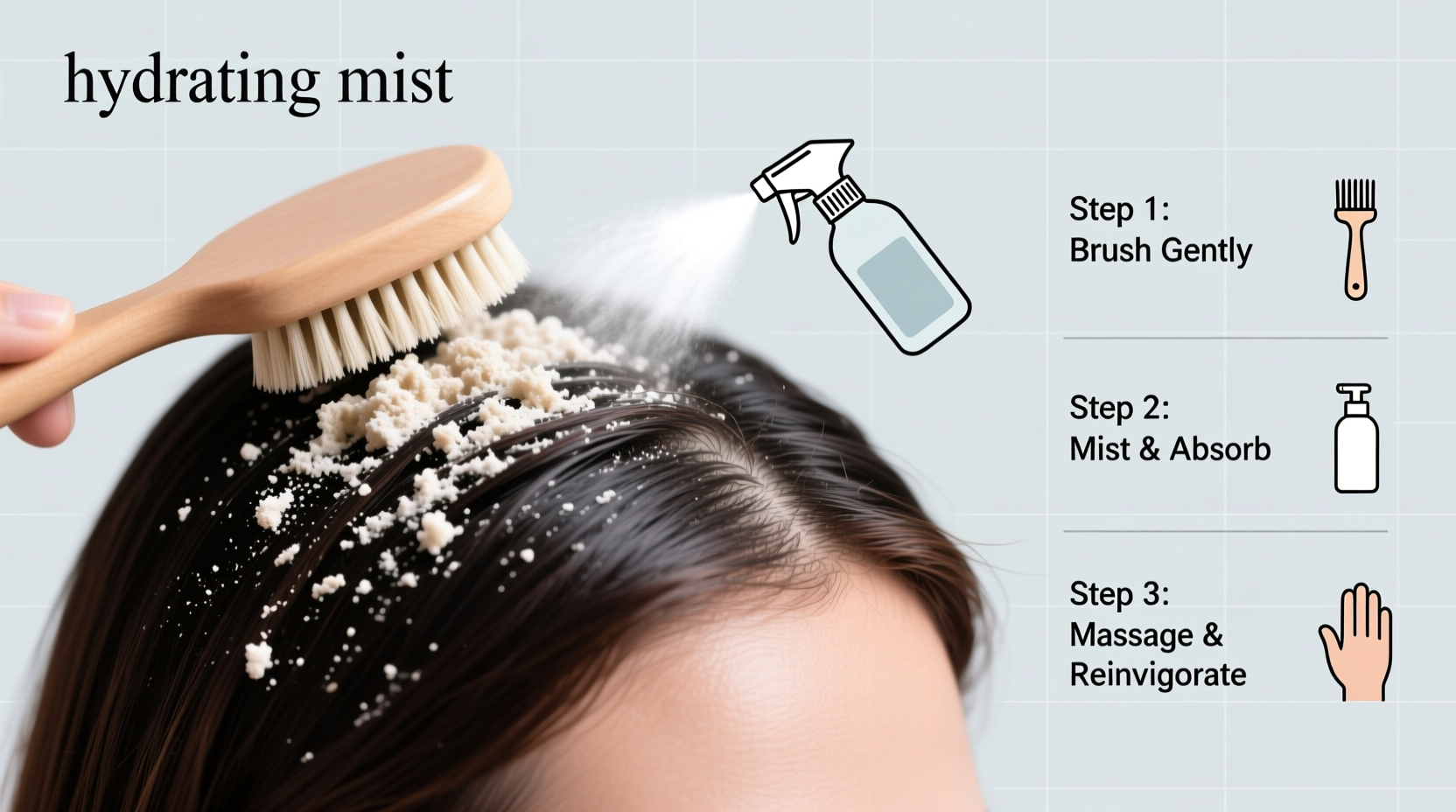
Dry shampoos work primarily by using absorbent ingredients—like rice starch, cornstarch, silica, or talc—to soak up excess sebum from the scalp. Propellants spray these powders onto the roots, where they bind to oils. While effective short-term, repeated application without cleansing leads to accumulation. Over time, these particles clump together, trapping dead skin cells, environmental pollutants, and styling product remnants.
The result? Hair that feels gritty at the roots, looks flat despite volume claims, and may develop an ashy cast—especially in darker hair tones. Worse, buildup can clog hair follicles, potentially contributing to scalp irritation or slowed growth if left unaddressed.
“Dry shampoo is excellent for extending time between washes, but like any product, it leaves behind residue. The key is managing that residue before it compromises scalp health.” — Dr. Lena Torres, Trichologist & Scalp Health Specialist
Step-by-Step Guide to Revive Buildup Without Washing
Removing dry shampoo residue without water requires mechanical action, reactivation, and dispersion. Below is a five-step process designed to break down buildup gently while preserving hair integrity.
- Brush Thoroughly from Roots to Ends
Start with a natural bristle brush (boar bristle preferred). Begin at the ends to detangle, then work upward toward the scalp. This distributes natural oils, loosens compacted powder, and lifts debris trapped near the roots. Brushing for 3–5 minutes stimulates blood flow and helps dislodge surface-level buildup. - Apply a Light Oil to Reactivate Absorption
Dispense 2–3 drops of lightweight oil (jojoba, grapeseed, or fractionated coconut) onto fingertips. Gently massage into the scalp and root zone only. These oils dissolve waxy residues and reactivate dried starches, allowing them to release trapped oils and particulates. Let sit for 5–10 minutes.
Tip: Use jojoba oil—it closely mimics human sebum and won’t leave a greasy feel when used sparingly.
- Blow-Dry on Cool to Warm Setting
Use a blow dryer with a concentrator nozzle. Direct airflow at the roots while lifting sections with your fingers or a brush. Heat helps evaporate moisture-bound residues, while airflow physically disperses loosened particles. Keep the dryer moving to avoid heat damage. Focus for 30 seconds per section. - Reapply Dry Shampoo—Strategically
After drying, apply a fresh layer of dry shampoo—but only to areas that truly need it. Hold the can 8–10 inches away and spray in short bursts. Immediately massage with fingertips to blend and prevent new clumping. This step replaces old, saturated particles with fresh absorbents. - Finish with a Textured Spray or Sea Salt Mist
Lightly mist hair with a salt-based texture spray. These formulas contain minerals that further absorb residual oil and add grit, counteracting flatness caused by buildup. Avoid heavy hold sprays, which compound residue issues.
Effective Tools and Alternatives
Not all methods rely on oils or brushing. Some physical tools and alternative products offer targeted solutions for removing dry shampoo residue without water exposure.
- Scalp Massagers: Silicone or metal scalp brushes increase exfoliation during brushing. Their flexible tips penetrate deeper than fingers alone, dislodging compacted particles without scratching the scalp.
- Microfiber Towels: Gently rub the crown and part lines with a clean microfiber cloth. Its fine fibers attract and trap powdery residues more effectively than cotton.
- Rubber-Shedding Gloves: Worn on damp (not wet) hands, these gloves create friction that lifts flakes and buildup when massaging the scalp in circular motions.
- Clay-Based Powders: Kaolin or rhassoul clay powders can be dusted lightly onto roots. They pull out impurities and absorb excess residue better than traditional dry shampoos, often leaving less behind.
Do’s and Don’ts When Managing Buildup
| Do | Don't |
|---|---|
| Brush hair daily with a boar bristle brush to prevent compaction | Use dry shampoo every day without occasional cleansing |
| Massage scalp weekly with oil to loosen deep buildup | Scratch or pick at flaky patches—this can inflame follicles |
| Switch between aerosol and non-aerosol dry shampoos to vary ingredient exposure | Apply dry shampoo too close to the scalp—hold the can back to avoid oversaturation |
| Use a clarifying dry shampoo once a week (formulated with charcoal or clay) | Leave dry shampoo in overnight regularly—it increases oxidation and staining risk |
| Store dry shampoo in a cool place to maintain propellant consistency | Shake the can excessively—this can cause uneven spray and clumping |
Mini Case Study: Reviving Third-Day Hair After Festival Weekend
Alexa, a 28-year-old event planner, attended a three-day outdoor music festival. With limited access to showers, she relied heavily on dry shampoo to keep her shoulder-length brunette waves looking fresh. By day four, her roots felt stiff, looked grayish, and her ponytail lacked volume. She avoided washing to preserve her curl pattern and color-treated ends.
Instead, she followed the five-step revival method: brushed thoroughly with a boar bristle paddle brush, applied two drops of jojoba oil at the crown, blow-dried on cool, then reapplied a clay-infused dry shampoo. She finished with a sea salt spray. Within 20 minutes, her hair regained body, the ashy cast disappeared, and her scalp felt cleaner. She extended her style for two more days before finally washing—without compromising scalp health.
This case illustrates how strategic intervention—not necessarily water—can reset hair appearance and comfort after intense dry shampoo use.
Preventative Habits to Reduce Future Buildup
While occasional buildup is normal, consistent care minimizes its impact. Incorporating these habits reduces dependency on full washes while keeping hair and scalp balanced.
Tip: Apply dry shampoo before bed, not in the morning. This allows it to absorb overnight oils more efficiently, reducing the amount needed.- Target Application: Spray only at the roots and avoid mid-lengths and ends. Focus on high-oil zones: crown, hairline, and part lines.
- Lift Hair When Spraying: Flip head forward, section hair, and spray directly at the scalp. This ensures precision and prevents surface-only coating.
- Massage Immediately: Always use fingertips to work the product in after spraying. This blends powder evenly and prevents white residue.
- Rotate Products: Alternate between different dry shampoo formulas (e.g., aerosol vs. powder, starch-based vs. clay-based) to avoid overexposure to one type of residue.
- Schedule a “Reset” Night: Once every 7–10 days, do a mini pre-wash oil treatment—even without water. Massage oil into the scalp, leave for 20 minutes, then brush out thoroughly. This mimics a cleanse without stripping.
Frequently Asked Questions
Can I use baby powder instead of dry shampoo?
While baby powder contains similar absorbents (like cornstarch), it lacks the odor-neutralizing agents, UV filters, and volumizers found in quality dry shampoos. It also tends to leave more visible residue, especially on dark hair. If used, apply sparingly and comb through immediately.
Why does my scalp itch after using dry shampoo?
Itching often signals buildup or sensitivity. Accumulated residue can block follicles and irritate the scalp. Alcohol in some formulas may also cause dryness or allergic reactions. Try switching to an alcohol-free, fragrance-light version and incorporate regular brushing or oil treatments.
How often should I actually wash my hair if I use dry shampoo?
Even with dry shampoo, most experts recommend washing every 4–7 days. Prolonged avoidance of cleansing can lead to clogged follicles, odor retention, and weakened strands. Use dry shampoo to extend, not replace, regular washes.
Checklist: How to Remove Dry Shampoo Buildup Without Washing
- Brush hair from ends to roots using a boar bristle brush
- Apply 2–3 drops of lightweight oil (jojoba, grapeseed) to the scalp
- Let oil sit for 5–10 minutes to break down residue
- Blow-dry roots using cool to warm air and a concentrator nozzle
- Reapply dry shampoo sparingly, focusing on oily zones
- Massage product into scalp with fingertips
- Finish with a texturizing or sea salt spray for added lift
- Wipe down hairbrush weekly to prevent redistributing buildup
Conclusion: Extend Style, Preserve Health
Dry shampoo buildup doesn’t have to mean surrendering to the shower. With awareness and the right techniques, you can revive your hair’s freshness, volume, and movement—without disrupting your wash cycle. The goal isn’t elimination of dry shampoo, but smarter usage: applying it precisely, managing residue proactively, and supporting scalp health between cleanses.
By integrating brushing, oil reactivation, and strategic reapplication, you maintain the benefits of dry shampoo while avoiding its pitfalls. Hair stays styled longer, feels cleaner, and remains resilient. Start tonight: pick up your brush, grab a bottle of jojoba oil, and give your roots the refresh they deserve.
💬 Have a favorite trick for beating dry shampoo buildup? Share your go-to method in the comments and help others keep their hair light, lifted, and residue-free.








