
Dry shampoo has become a staple in modern hair care routines, offering a quick fix for greasy roots, flat volume, or last-minute refreshes between washes. But over time, frequent use can lead to a chalky, gritty residue—dry shampoo buildup—that dulls hair, weighs down strands, and irritates the scalp. While washing your hair seems like the obvious solution, doing so daily strips natural oils, disrupts pH balance, and accelerates color fading. The good news: you don’t need to shampoo every day to reclaim clean, healthy-looking hair. With targeted strategies, you can dissolve and remove buildup effectively while extending time between full washes.
Understanding Dry Shampoo Buildup
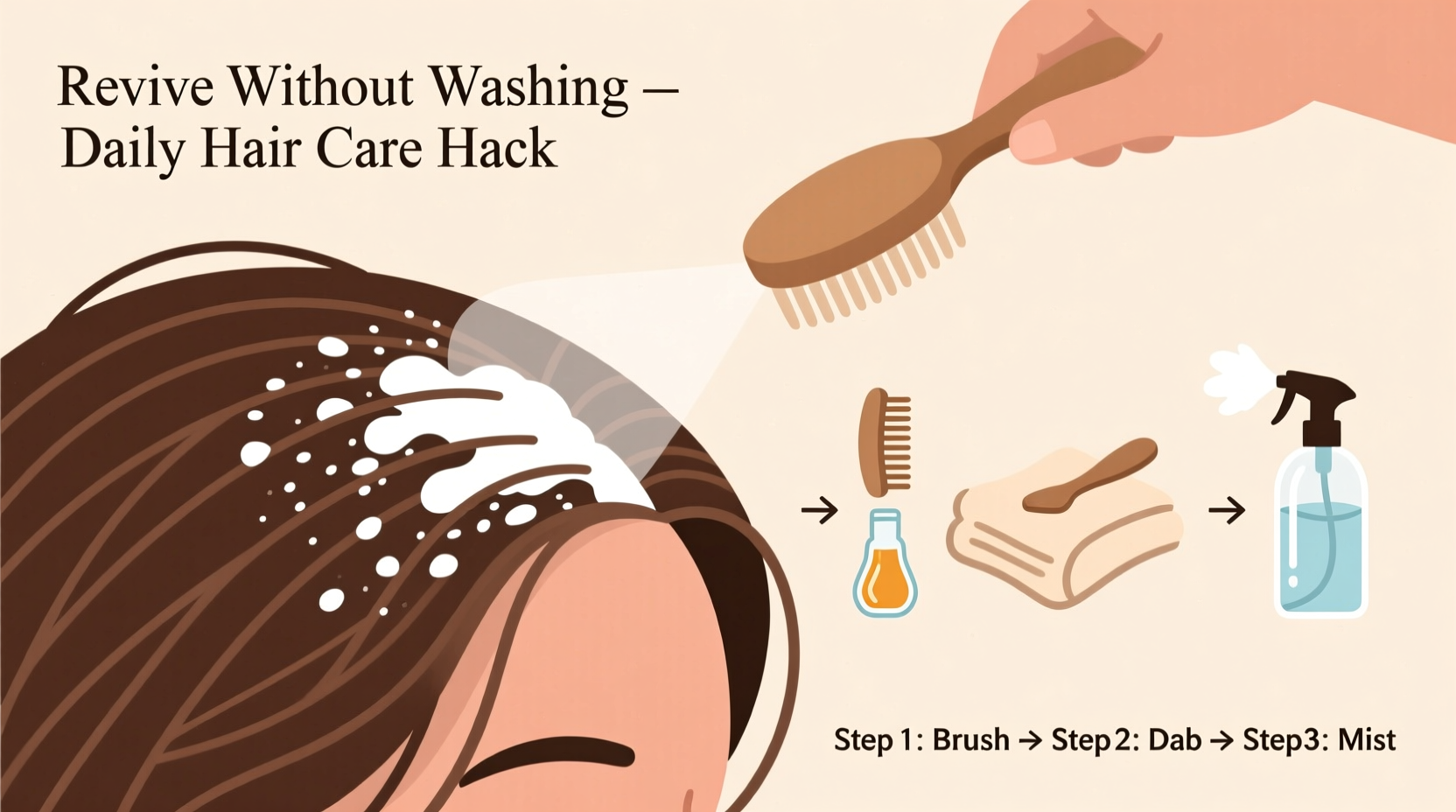
Dry shampoos typically contain starches, alcohols, and propellants that absorb oil at the root. When sprayed repeatedly without thorough cleansing, these ingredients accumulate along the scalp and hair shaft. Over days or weeks, this creates a film that blocks follicles, traps sebum, and prevents moisture absorption. The result? Hair feels stiff, looks dull, and may develop flakiness resembling dandruff.
Buildup is more common with aerosol formulas due to their faster dispersion and finer particles that embed into the scalp. Non-aerosol powders are easier to manage but still require periodic removal. The key is not eliminating dry shampoo—it’s managing its aftermath intelligently.
“Many clients come in with ‘unresponsive’ hair because they’ve masked oiliness with dry shampoo for days on end. What they’re actually dealing with is compound buildup.” — Dr. Lena Patel, Trichologist & Scalp Health Specialist
Step-by-Step Guide to Revive Buildup Without Washing
Reviving hair affected by dry shampoo residue doesn’t require lather or water. Instead, focus on mechanical removal, absorption balancing, and scalp stimulation. Follow this sequence for best results:
- Brush Thoroughly from Roots to Ends
Use a boar bristle brush or anti-static comb to gently detangle and lift product residue. Start at the ends and work upward to avoid breakage. Focus on the crown and part lines where buildup concentrates. Brushing redistributes natural oils and loosens trapped particles. - Apply a Small Amount of Lightweight Oil
Dab 2–3 drops of jojoba, grapeseed, or argan oil onto fingertips. Massage lightly into the scalp using circular motions. These oils mimic sebum and help dissolve waxy residues without greasiness. Avoid heavy oils like coconut unless diluted. - Let It Sit for 5–10 Minutes
Allow the oil time to penetrate and break down the dry shampoo film. This step mimics an oil pre-poo treatment, softening buildup for easier removal. - Re-Brush Vigorously
After waiting, brush again—this time focusing on the roots. The combination of oil and friction helps dislodge stuck particles. You may notice grayish dust collecting on the brush; this is the dissolved residue. - Rinse with Cool Water (Optional)
If comfortable, tilt your head back and run cool water over the roots only. Do not apply shampoo. The water rinses away loosened debris while preserving mid-length and end moisture. Pat dry immediately with a microfiber towel. - Blow-Dry on Cool Setting
Use a blow dryer with a diffuser or concentrator nozzle to lift roots and evaporate any lingering dampness. Cool air helps close cuticles and adds shine without heat damage.
Do’s and Don’ts of Managing Dry Shampoo Residue
| Do’s | Don’ts |
|---|---|
| Use dry shampoo in short bursts, holding the can 8–10 inches from scalp | Spray continuously or too close to the scalp |
| Massage it in with fingertips after application | Leave it sitting on the surface without blending |
| Limit use to 2–3 times per week max | Rely on it daily for more than 4 consecutive days |
| Switch to non-aerosol powders occasionally for gentler formulas | Use expired or clogged cans that dispense unevenly |
| Exfoliate scalp weekly with a soft brush or scrub | Scrub aggressively with nails or harsh scrubs |
Mini Case Study: Reviving Week-Long Buildup
Sophia, a 32-year-old marketing executive, used dry shampoo every other day during a hectic project week. By Friday, her hair felt stiff, looked flat, and her scalp itched despite no visible dandruff. She avoided washing because she’d styled her hair the night before and didn’t want to lose the wave.
Instead of shampooing, she followed the oil-and-brush method: applied two drops of jojoba oil, massaged for three minutes, then brushed thoroughly with a boar bristle tool. After 10 minutes, she re-brushed and noticed visible gray specks on the bristles. She rinsed only her roots under cool water, dried with a cool blow-dryer, and styled with texturizing spray. Her hair regained volume and movement, and the itching subsided. She extended her wash cycle by two additional days using spot treatments on oily areas.
This case illustrates how physical removal and smart emollients can reset hair condition without full cleansing.
Alternative Methods to Dissolve Buildup
Beyond brushing and oiling, several low-impact techniques help reverse dry shampoo accumulation:
- Scalp Steam Towel Treatment: Soak a clean towel in hot water, wring it out, and drape it over your head for 3–5 minutes. The steam opens pores and softens residue, making it easier to brush out.
- Apple Cider Vinegar (ACV) Spritz: Mix one part raw ACV with three parts water in a spray bottle. Mist lightly at the roots, wait 3 minutes, then rinse with cool water or blot with a cloth. ACV’s acidity dissolves mineral and product deposits.
- Clay-Based Powder Refreshers: Use kaolin or rhassoul clay powders as a secondary dry shampoo. These draw out impurities while absorbing excess product residue, acting like a mini detox.
- Air-Out Method: Sleep with hair loosely braided or pinned up, allowing airflow to the scalp. In the morning, shake out hair and brush. Oxygen exposure naturally reduces compaction of buildup.
Checklist: Weekly Buildup Prevention Routine
To stay ahead of dry shampoo residue, integrate these actions into your weekly rhythm:
- ✅ Brush scalp for 2 minutes daily to stimulate circulation and prevent caking
- ✅ Apply lightweight oil treatment once per week, even if not washing
- ✅ Use a clarifying scalp wipe or micellar water pad on roots every 3rd dry shampoo use
- ✅ Exfoliate scalp with a silicone scrubber or soft brush once weekly
- ✅ Rotate between aerosol and non-aerosol dry shampoos to vary ingredient exposure
- ✅ Schedule a sulfate-free co-wash or scalp cleanse every 5–7 days
“The scalp is skin. Like facial skin, it needs exfoliation and deep cleaning—not just masking. Treating buildup proactively prevents long-term damage.” — Dr. Nadine Hart, Dermatological Aesthetician
Frequently Asked Questions
Can dry shampoo cause hair loss?
Directly, no—but chronic buildup can clog follicles, restrict growth, and cause inflammation that leads to temporary shedding. Keeping the scalp clean and stimulated minimizes this risk. If you notice increased hair fall, evaluate your dry shampoo frequency and consider a clarifying wash.
How do I know if I have buildup or dandruff?
Buildup appears as grayish-white flakes that stick to roots and feel gritty when rubbed. Dandruff flakes are larger, whiter or yellowish, and often accompanied by redness or itching. Buildup responds to brushing and oil; dandruff usually requires antifungal treatments. When in doubt, consult a trichologist.
Is it safe to use vinegar on colored hair?
Yes, when properly diluted (1:3 ratio with water) and used sparingly (once every 1–2 weeks). Apple cider vinegar helps seal cuticles and restore pH without stripping color. Always follow with a light conditioner to maintain moisture balance.
Conclusion: Sustainable Hair Care Beyond Daily Washing
Dry shampoo is a powerful tool, but it’s not a substitute for scalp hygiene. Buildup is inevitable with regular use, yet washing daily isn’t the only—or best—solution. By adopting a proactive approach that includes brushing, oil treatments, and occasional detox methods, you can maintain fresh, voluminous hair without compromising its health. The goal isn’t perfection after every use, but consistency in maintenance. Treat your scalp with the same attention you give your skin, and your hair will respond with resilience, shine, and longevity.
💬 Have a favorite trick for reviving second-day hair? Share your go-to method in the comments and help others break free from the wash cycle!








