Natural deodorants have surged in popularity as more people seek to avoid synthetic chemicals, aluminum, parabens, and artificial fragrances commonly found in conventional products. But many store-bought natural options fall short when it comes to sweat control and odor protection. The solution? Make your own.
Creating a homemade natural deodorant allows you to customize the formula for your body chemistry, use only high-quality ingredients, and ensure it actually works—without compromising your health or comfort. This guide walks you through the science of sweat, the key ingredients that truly work, and a proven recipe that delivers lasting freshness.
Understanding Sweat vs. Odor: Why Most Natural Deodorants Fail
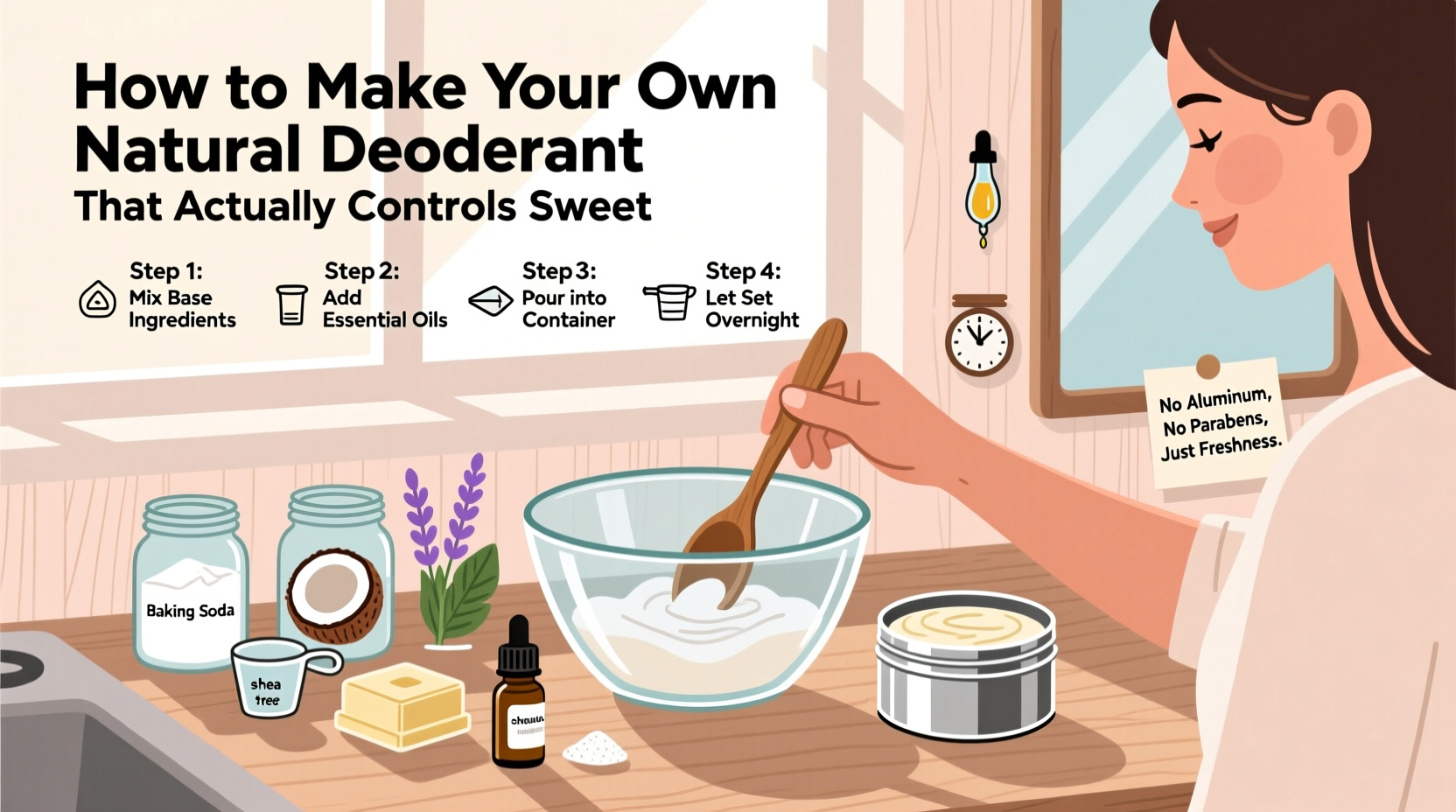
One reason many natural deodorants disappoint is a misunderstanding of what they’re supposed to do. It’s important to distinguish between:
- Sweating: A natural bodily function that cools you down. Antiperspirants block sweat glands; deodorants do not.
- Body odor: Caused by bacteria breaking down sweat on the skin. Deodorants neutralize or inhibit these bacteria.
Most natural deodorants are designed to combat odor—not stop sweating. If you're expecting zero moisture under your arms, you're using the wrong product type. However, effective natural formulas can keep you smelling fresh all day, even during physical activity or stress-induced sweating.
“Natural doesn’t mean ineffective. With the right antimicrobial and absorbent ingredients, a DIY deodorant can outperform commercial brands.” — Dr. Lena Patel, Integrative DermatologistTip: Don’t expect your natural deodorant to stop sweating—it shouldn’t. Focus instead on controlling bacterial growth and managing moisture.
Key Ingredients That Actually Work
Not all natural ingredients are created equal. Some popular components like baking soda can irritate sensitive skin, while others lack scientific backing. Below is a breakdown of proven-effective ingredients and their roles:
| Ingredient | Function | Notes |
|---|---|---|
| Arrowroot powder or cornstarch | Moisture absorption | Gentle alternative to talc; helps reduce wetness |
| Coconut oil | Antimicrobial + carrier base | Naturally fights odor-causing bacteria; melts at body temperature |
| Shea butter or cocoa butter | Texture + skin protection | Adds creaminess and soothes sensitive skin |
| Magnesium hydroxide (milk of magnesia) | pH balancer + odor neutralizer | Milder than baking soda; reduces bacterial growth without irritation |
| Essential oils (tea tree, lavender, rosemary) | Natural antibacterial + fragrance | Tea tree oil has strong antimicrobial properties; always dilute properly |
Avoid common pitfalls like overusing baking soda, which can disrupt your skin’s pH and cause redness or rashes. Magnesium-based alternatives offer similar odor-fighting power with far less risk.
Step-by-Step Guide to Making an Effective Natural Deodorant
This tested recipe balances effectiveness, gentleness, and ease of application. It creates a smooth balm that applies easily and keeps odor at bay for 12+ hours—even during moderate activity.
What You’ll Need
- 3 tablespoons coconut oil (solid at room temperature)
- 2 tablespoons arrowroot powder or organic cornstarch
- 1 tablespoon magnesium hydroxide (food-grade, available online)
- 1 tablespoon shea butter (optional, for extra creaminess)
- 10–15 drops essential oils (e.g., 6 drops tea tree, 4 drops lavender, 3 drops rosemary)
- Double boiler or heat-safe bowl and saucepan
- Small glass jar or empty deodorant container
Instructions
- Prepare your workspace: Sterilize your container with hot, soapy water and dry thoroughly. Clean all utensils.
- Melt the base: In a double boiler, gently melt the coconut oil and shea butter over low heat until fully liquid. Avoid overheating.
- Mix in powders: Remove from heat. Stir in arrowroot powder and magnesium hydroxide until smooth and lump-free.
- Add essential oils: Let the mixture cool slightly (to preserve volatile compounds), then add your chosen essential oils. Stir well.
- Pour into container: Carefully transfer the mixture into your jar or deodorant tube. If using a jar, let it set uncovered for 10 minutes to prevent condensation.
- Cool and solidify: Place in the refrigerator for 45–60 minutes until firm. Store at room temperature away from direct sunlight.
The result is a creamy, non-greasy deodorant that glides on smoothly and absorbs quickly. Apply with fingers or a reusable applicator stick.
Tip: Use clean fingers every time to prevent bacterial contamination. Consider adding a small spatula if using a jar.Real-World Example: Transitioning Successfully
Sarah, a 34-year-old yoga instructor from Portland, had used conventional antiperspirants for years. After developing persistent underarm irritation and reading about aluminum concerns, she switched to a popular natural brand. Within days, she noticed increased odor and discomfort.
“I felt self-conscious teaching classes,” she said. “I smelled bad by mid-morning, no matter how much I applied.”
After researching ingredient efficacy, Sarah tried making her own deodorant using magnesium hydroxide instead of baking soda and added tea tree and rosemary oils for their antimicrobial effects. She also began detoxing her underarms with weekly clay masks to remove buildup.
Within two weeks, her body adjusted. “The difference was night and day. I stayed fresh through hot yoga sessions, and my skin healed completely.”
Sarah now makes batches monthly and shares the recipe with students. Her experience highlights the importance of formulation precision—and patience during the transition phase.
Do’s and Don’ts of Homemade Natural Deodorant
| Do’s | Don’ts |
|---|---|
| Use food-grade, finely sifted powders to avoid grittiness | Use baking soda if you have sensitive skin |
| Store in a cool place to prevent melting | Leave in a hot car or bathroom near the shower |
| Start with fewer essential oil drops and adjust to preference | Use citrus oils before sun exposure (photosensitivity risk) |
| Apply after showering to clean, dry skin | Apply on freshly shaved or irritated skin without patch testing |
| Give your body 7–14 days to adjust during the detox phase | Expect immediate results like antiperspirants |
During the adjustment period, some users report increased sweating or temporary odor as the body clears out residue from antiperspirants. This is normal and usually resolves within two weeks.
Frequently Asked Questions
Can natural deodorant really handle heavy sweating?
Yes—but with realistic expectations. While it won’t stop sweat, a well-formulated natural deodorant can manage moisture and eliminate odor effectively. For intense workouts or hot climates, reapplication may be needed. Using breathable fabrics and staying hydrated also supports better sweat management.
Is this safe for sensitive skin?
This recipe avoids baking soda, a common irritant, and uses soothing ingredients like shea butter and magnesium. However, always perform a patch test: apply a small amount to your inner forearm and wait 24 hours. Discontinue if redness, itching, or burning occurs.
How long does homemade deodorant last?
When stored in a cool, dry place, it typically lasts 6–9 months. Signs of spoilage include discoloration, off smells, or separation that doesn’t remix. To extend shelf life, consider adding 1/4 tsp of vitamin E oil, a natural preservative.
Checklist: Make Your First Batch with Confidence
- ☐ Gather all ingredients and tools
- ☐ Choose essential oils based on scent preference and antibacterial strength
- ☐ Sterilize containers and utensils
- ☐ Melt oils gently without boiling
- ☐ Mix powders thoroughly to avoid clumping
- ☐ Cool in the fridge until solid
- ☐ Label with date and ingredients
- ☐ Perform a patch test before full use
- ☐ Allow 1–2 weeks for your body to adjust
- ☐ Reassess and tweak formula as needed (e.g., more magnesium for odor, more arrowroot for wetness)
Optimizing for Your Lifestyle
Your ideal deodorant depends on your daily routine. Here’s how to tailor the formula:
- For office workers: Standard recipe works well. Focus on pleasant scent and smooth texture.
- For athletes or active individuals: Increase arrowroot to 4 tablespoons for better moisture absorption. Add 5 drops of thyme oil, known for its potent antibacterial action.
- For sensitive skin: Replace coconut oil with jojoba oil (less comedogenic) and increase shea butter for barrier support.
- For travel: Use a screw-top tin or deodorant stick container to prevent spills. Avoid jars in luggage.
You can also experiment with infusions—such as brewing sage or calendula in warm coconut oil before straining and using in the recipe—for added skin benefits.
Why Homemade Beats Many Store-Bought Options
Commercial natural deodorants often cut corners with fillers, weak concentrations of active ingredients, or poor texture formulations. By making your own, you control every aspect:
- Purity: No hidden additives, preservatives, or synthetic fragrances.
- Cost-effectiveness: A batch costs under $10 and lasts months.
- Sustainability: Reduce plastic waste by reusing containers.
- Customization: Adjust scent, texture, and performance to your needs.
Over time, you’ll learn what works best for your body chemistry. Some thrive with more magnesium, others prefer higher shea content for dry skin. The flexibility of DIY empowers true personalization.
Final Thoughts: Take Control of What You Put on Your Skin
Your underarms absorb what you apply—making ingredient quality non-negotiable. A homemade natural deodorant isn’t just a trend; it’s a step toward intentional living and body awareness. With the right blend of moisture-absorbing powders, antimicrobial oils, and skin-nourishing butters, you can create a product that performs as well as—or better than—store-bought versions.
Start with the recipe provided, track how your body responds, and refine as needed. Whether you’re avoiding chemicals, healing irritated skin, or simply want a fresher approach, this simple switch can make a meaningful difference.
🚀 Ready to ditch synthetic deodorants for good? Gather your ingredients today and make your first batch tonight. Share your custom blend or tips in the comments—your experience could help someone finally find the natural solution they’ve been searching for.








