Selecting the right toothbrush is a critical yet often overlooked component of daily oral hygiene. While many focus on brand names or smart features like pressure sensors, the true foundation of effective cleaning lies in the quality and design of the bristles. High-end toothbrushes—whether manual or electric—distinguish themselves not just by aesthetics or technology, but by the precision engineering of their bristle systems. These bristles directly impact plaque removal, gum health, and enamel protection. Choosing poorly can lead to irritation, recession, or ineffective cleaning; choosing wisely enhances every brushing session. Understanding what makes premium bristles superior empowers you to make informed decisions that support long-term dental wellness.
The Science Behind Bristle Performance
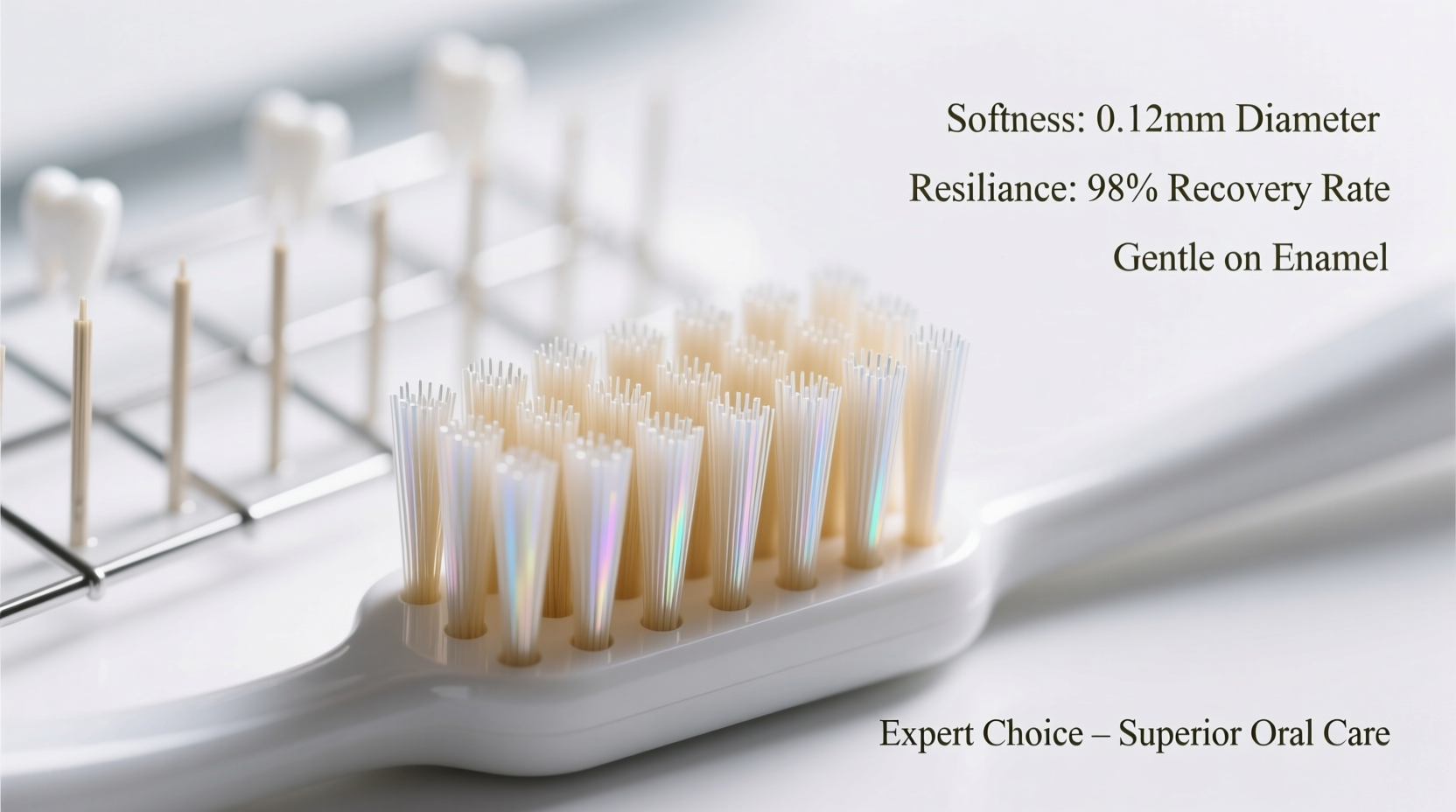
Toothbrush bristles are not merely plastic filaments—they are engineered tools designed to navigate tight spaces between teeth and along the gumline. The effectiveness of bristles depends on several scientific factors: diameter, tapering, alignment, and material composition. High-end brushes typically use ultra-fine, tapered bristles that mimic professional dental tools. These bristles can reach below the gumline and into interdental areas where plaque accumulates most aggressively.
One key innovation in premium bristles is end-rounding. This process smooths the tips of nylon bristles to eliminate sharp edges that could damage soft tissue. According to the American Dental Association (ADA), only toothbrushes with properly end-rounded bristles should be marketed for consumer use due to their safety profile. Higher-end models often exceed minimum standards, featuring multi-level tapering and precision polishing for maximum gentleness and efficacy.
“Bristle design is as important as brushing technique. A well-engineered brush can improve plaque removal by up to 30% compared to standard models.” — Dr. Lena Torres, Clinical Periodontist and Oral Care Researcher
Firmness: Debunking the Hard-Bristle Myth
A common misconception is that harder bristles clean better. In reality, aggressive scrubbing with stiff bristles contributes to enamel wear and gingival recession. Studies show that medium and hard bristles remove only marginally more plaque than soft ones—but at a significant cost to gum and dentin health.
Premium toothbrushes almost universally favor soft or extra-soft bristle options, especially when combined with advanced filament geometry. The real cleaning power comes from proper motion and bristle flexibility, not force. Soft bristles conform to tooth contours, allowing them to sweep away biofilm without abrasion. For individuals with orthodontic appliances, sensitive teeth, or periodontal conditions, soft high-end bristles offer both comfort and clinical effectiveness.
Tip: If your bristles fray within two weeks, you're brushing too hard—switch to a softer grade and adjust your technique.Material Quality: Nylon vs. Natural Fibers
Most high-performance toothbrushes use DuPont-quality nylon (such as Tynex® or similar proprietary blends) because of its durability, consistency, and resistance to microbial retention. Unlike natural bristles (like boar hair), synthetic nylon can be precisely manufactured to uniform thickness and undergoes sterilization during production.
Natural fibers may seem eco-friendly, but they pose hygiene risks. Their porous structure harbors bacteria, molds, and retains moisture—making them unsuitable for repeated oral contact. Furthermore, inconsistent diameters limit their ability to clean effectively. High-end manufacturers avoid these issues entirely by using medical-grade synthetic filaments treated with antimicrobial coatings in some cases.
| Feature | Synthetic Nylon (Premium) | Natural Bristles |
|---|---|---|
| Cleanability | High – non-porous, easy to rinse | Low – absorbs moisture and bacteria |
| Durability | Retains shape for 3 months | Wears unevenly, frays quickly |
| Gentleness | Engineered for sensitivity | Often coarse and irritating |
| Hygiene Safety | Meets ADA standards | Potential pathogen risk |
Design Innovations in Premium Bristle Systems
Beyond material and firmness, top-tier toothbrushes incorporate intelligent bristle layouts. Multi-height bristle patterns—where longer outer bristles target molars and shorter inner ones clean incisors—ensure full arch coverage. Some models feature “power tips,” where the final millimeter of each bristle is split into micro-filaments to increase surface contact.
Electric toothbrush heads from brands like Philips Sonicare and Oral-B iO utilize densely packed, crisscrossed bristles optimized for oscillation or sonic vibration. These movements generate fluid dynamics that disrupt plaque beyond direct contact. However, even the best motor cannot compensate for poor bristle quality. That’s why leading models replace standard clusters with diamond-shaped, angled, or wave-cut configurations proven in clinical trials to enhance debris removal.
Step-by-Step Guide to Evaluating Bristle Quality
- Inspect the packaging for terms like “end-rounded,” “tapered,” or “multi-length.” Avoid vague claims like “soft” without technical details.
- Examine the brush head under light. Look for uniformity in color, spacing, and tip smoothness. Irregularities suggest lower manufacturing standards.
- Check for independent certifications, such as ADA Seal of Acceptance, which verifies safety and performance claims.
- Research clinical studies supporting the brush model, particularly those measuring gingival bleeding reduction or plaque index improvement.
- Replace every three months or sooner if bristles splay, ensuring peak performance throughout the brush’s life cycle.
Real-World Example: A Dentist’s Switch to Premium Bristles
Dr. Alan Reeves, a general dentist in Portland, noticed increasing numbers of patients presenting with notched teeth and inflamed gums despite reporting twice-daily brushing. Curious, he audited their tools and found most used inexpensive, hard-bristled brushes from drugstore bulk packs. He began recommending a specific high-end model with extra-soft, end-rounded bristles and demonstrated modified Bass technique during cleanings.
After six months, patient follow-ups showed measurable improvements: 78% reported less gum sensitivity, and clinical exams revealed reduced recession progression. One patient, Maria K., who had worn a groove near her gumline from years of aggressive brushing, saw stabilization of the lesion after switching. “I thought I was doing everything right,” she said. “But once I changed my brush and eased up, my mouth felt completely different.”
Checklist: Choosing the Right High-End Bristles
- ✅ Opt for soft or extra-soft bristles unless otherwise advised by your dentist
- ✅ Confirm bristles are end-rounded and tapered
- ✅ Choose synthetic nylon over natural fibers
- ✅ Prefer multi-level or angled bristle designs for better access
- ✅ Look for ADA Seal or equivalent third-party validation
- ✅ Replace brush heads every 90 days or per manufacturer guidelines
- ✅ Match bristle type to personal needs (e.g., ortho-friendly, post-surgical, desensitizing)
Frequently Asked Questions
Can high-end bristles really make a difference if I brush correctly?
Absolutely. Even with perfect technique, subpar bristles cannot access tight margins or remove mature plaque biofilms effectively. Premium bristles enhance the mechanical action of brushing, improving outcomes even among skilled users.
Are expensive toothbrushes worth it for bristle quality alone?
In many cases, yes. Some manual high-end brushes cost slightly more than conventional ones but offer superior filament engineering. When comparing electric heads, investing in premium replacements ensures compatibility with advanced motions and sustained cleaning efficiency.
Do kids need different bristle types?
Yes. Children benefit from ultra-soft, short-trimmed bristles that accommodate smaller mouths and developing enamel. Many pediatric dentists recommend specially designed high-end children’s brushes with rounded tips and fun ergonomics to encourage consistent use.
Final Thoughts: Elevate Your Routine with Intentional Choices
Oral care extends far beyond minty freshness and bright smiles—it's a lifelong investment in systemic health. The bristles of your toothbrush are the frontline agents in this effort. By selecting high-end bristles designed with science, safety, and specificity in mind, you transform a routine habit into a precision practice. It’s not about luxury for luxury’s sake, but about leveraging innovation to protect one of your body’s most essential entry points.
🚀 Ready to upgrade your oral care? Examine your current toothbrush tonight—check the bristle type, condition, and certification. Make your next replacement a step toward smarter, gentler, and more effective hygiene.








