
Lentils are a cornerstone of plant-based nutrition, prized for their high protein, fiber, and mineral content while remaining low in fat and moderate in calories. For individuals managing weight, building muscle, or simply eating more mindfully, understanding the caloric density of lentils is essential. A typical serving of cooked lentils contains approximately 230 calories per cup (198 grams), but this varies slightly depending on the type, preparation method, and whether they’re consumed dry or canned. Beyond calorie count, lentils offer a robust nutritional profile that supports long-term health, making them a strategic choice in diets ranging from Mediterranean to vegan and diabetic-friendly meal plans.
Their affordability, shelf stability, and versatility further elevate lentils as a pantry staple worldwide. From Indian dals to French lentil salads and Middle Eastern mujadara, these legumes form the backbone of countless traditional dishes. This article provides a comprehensive breakdown of lentil calories across varieties, explains their macronutrient composition, and offers practical guidance for incorporating them into daily meals without compromising dietary goals.
Definition & Overview
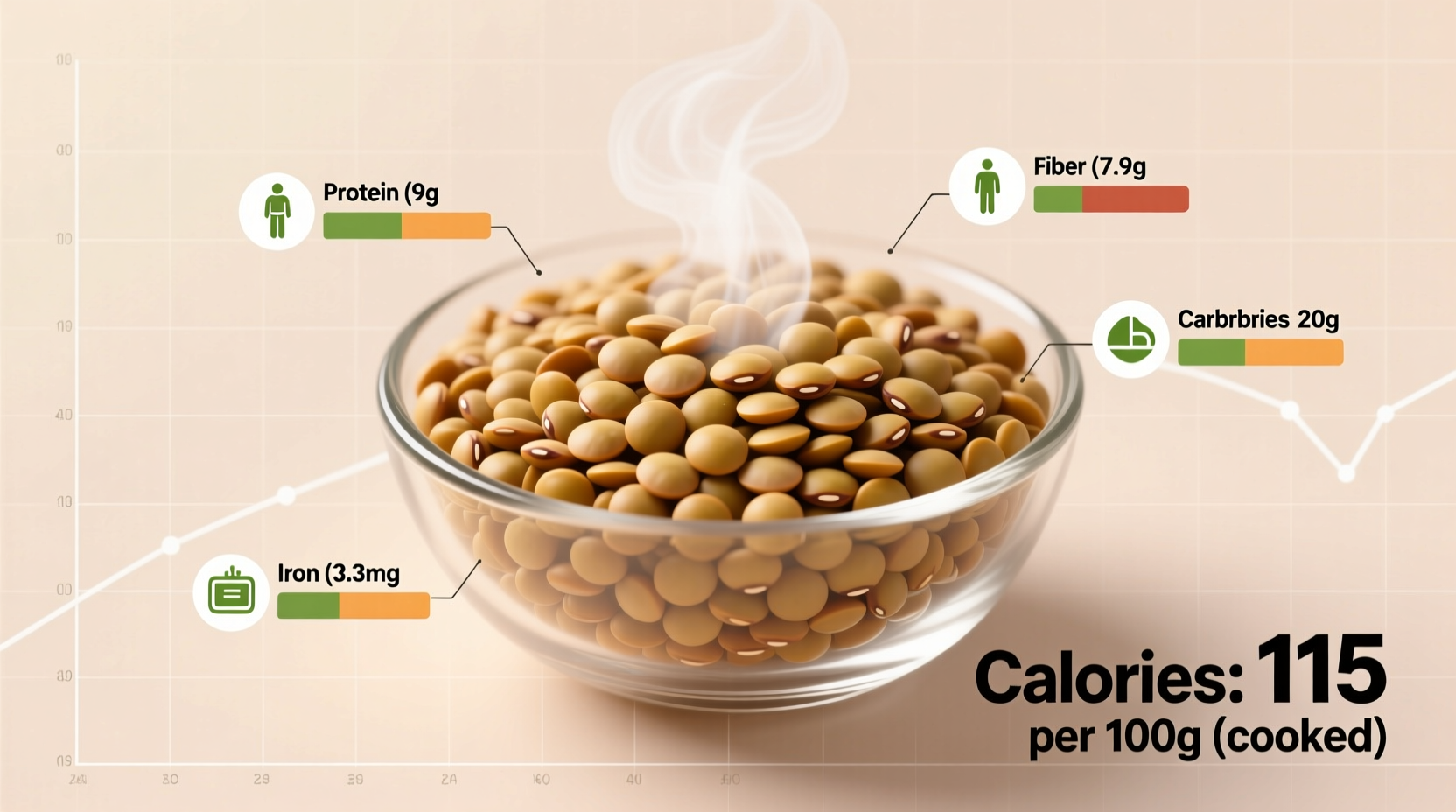
Lentils (Lens culinaris) are edible pulses—small, lens-shaped seeds belonging to the legume family. One of the earliest domesticated crops, lentils have been cultivated for over 8,000 years, with archaeological evidence tracing their origins to the Near East, particularly modern-day Turkey and Syria. Today, major producers include Canada, India, and Australia, supplying global demand for this nutrient-dense food.
Botanically classified as seeds, lentils grow in pods containing one or two seeds each. They are harvested when mature and dried, allowing for extended storage without refrigeration. Unlike most legumes, lentils do not require soaking before cooking, though rinsing is recommended to remove dust or debris. Cooking times range from 20 to 45 minutes depending on variety, significantly shorter than beans or chickpeas.
Lentils are naturally gluten-free and serve as a primary source of plant-based protein in vegetarian and vegan diets. Their earthy, mildly nutty flavor pairs well with spices, herbs, vegetables, and grains, enabling seamless integration into soups, stews, salads, curries, and even baked goods. With a glycemic index averaging between 25 and 35, they cause a gradual rise in blood sugar, making them suitable for people with insulin resistance or type 2 diabetes.
Key Characteristics
| Characteristic | Description |
|---|---|
| Flavor Profile | Earthy, mildly nutty, slightly sweet or peppery depending on variety. |
| Aroma | Neutral when raw; develops a warm, savory scent when cooked with aromatics like onion, garlic, or cumin. |
| Color & Form | Available in green, brown, red, yellow, black (beluga), and variegated (puy) forms; lens-shaped, flat discs about 4–8 mm in diameter. |
| Heat Level | None inherently; often paired with spicy ingredients such as chili, ginger, or mustard seeds. |
| Culinary Function | Thickening agent, protein base, grain substitute, binder in veggie burgers or meatloaf. |
| Shelf Life (Dry) | 12–24 months in a cool, dark, dry place; up to 6 months once opened if stored airtight. |
| Shelf Life (Cooked) | 5–7 days refrigerated; up to 6 months frozen. |
Variants & Types
Different lentil varieties vary in texture, cooking time, color, and culinary application. Choosing the right type ensures optimal results in both home and professional kitchens.
Brown Lentils
The most common variety globally, brown lentils are mild-flavored and hold their shape moderately well when cooked. They typically take 20–30 minutes to cook and are ideal for soups, stews, and casseroles. When overcooked, they become soft and mushy—perfect for thickening dishes like dal or shepherd’s pie fillings.
Green Lentils
Slightly larger and firmer than brown lentils, green lentils have a more pronounced peppery taste. They retain their shape exceptionally well after cooking (30–40 minutes), making them excellent for cold salads, side dishes, and gourmet plating. French lentilles du Puy—a protected geographical indication—are a premium subtype known for their firm texture and complex flavor.
Red & Yellow Lentils
Hulled and split, red and yellow lentils cook quickly (10–15 minutes) and break down into a creamy consistency. Common in Indian, Middle Eastern, and North African cuisines, they’re used in dals, soups, and baby foods. Red lentils tend to be sweeter, while yellow ones are milder. Neither holds its shape, so they’re unsuitable for salads requiring bite.
Black (Beluga) Lentils
Named for their resemblance to caviar, beluga lentils are small, shiny, and jet-black. They have a rich, earthy flavor and maintain a firm, al dente texture after 25–30 minutes of cooking. Often served in upscale grain bowls or as a side dish, they add visual drama and textural contrast.
French Green (Puy) Lentils
Grown in the volcanic soils of Le Puy, France, these lentils are protected by AOC (Appellation d'Origine Contrôlée) status. They are smaller, darker, and more expensive than standard green lentils but offer superior structure and depth of flavor. Ideal for elegant salads dressed with vinaigrette or served alongside roasted meats.
Tip: Always sort and rinse lentils before cooking to remove stones or debris. Use a ratio of 1 part dry lentils to 2.5–3 parts water or broth. Avoid adding salt during cooking—it can toughen skins and extend cook time. Add acidic ingredients like tomatoes or vinegar only after lentils are tender.
Calorie Content by Type (Per Cooked Cup / 198g)
While all lentils are nutritionally dense, slight variations exist in caloric content due to differences in processing (e.g., hulled vs. whole) and starch composition.
| Lentil Type | Calories (per cup, cooked) | Protein (g) | Fiber (g) | Carbohydrates (g) | Fat (g) |
|---|---|---|---|---|---|
| Brown Lentils | 230 | 18 | 15.6 | 39.9 | 0.8 |
| Green Lentils | 230 | 18 | 15.3 | 40.0 | 0.7 |
| Red Lentils (hulled) | 230 | 17.9 | 15.0 | 39.8 | 0.8 |
| Yellow Lentils | 220 | 17.0 | 14.5 | 39.0 | 0.7 |
| Black (Beluga) Lentils | 240 | 18.5 | 16.0 | 40.5 | 0.9 |
| French Puy Lentils | 230 | 18.0 | 15.5 | 40.0 | 0.7 |
Note: Calorie counts are based on USDA FoodData Central values for boiled lentils without added fat or salt. Canned lentils may contain slightly fewer calories due to pre-cooking leaching, but often include sodium unless labeled \"no salt added.\"
Comparison with Similar Ingredients
Lentils are frequently compared to other legumes and grains due to overlapping culinary roles. Understanding distinctions helps in making informed substitutions and balancing meals effectively.
| Ingredient | Calories (per cooked cup) | Protein (g) | Fiber (g) | Key Differences |
|---|---|---|---|---|
| Lentils (average) | 230 | 18 | 15.5 | No soaking required; faster cooking; higher folate and iron than most beans. |
| Chickpeas (garbanzo beans) | 269 | 14.5 | 12.5 | Denser texture; requires soaking; lower iron but higher vitamin K. |
| Black Beans | 227 | 15.2 | 15.0 | Longer cooking time; stronger flavor; similar fiber but less protein than lentils. |
| Quinoa | 222 | 8.1 | 5.2 | Complete protein but lower in fiber; not a legume; cooks faster than beans but slower than lentils. |
| Brown Rice | 216 | 5.0 | 3.5 | Lower protein and fiber; higher glycemic index; lacks lysine, an essential amino acid abundant in lentils. |
“Lentils are among the most efficient sources of plant protein available. Pound for pound, they deliver more usable protein per calorie than almost any other crop, with minimal environmental impact.” — Dr. Elena Torres, Sustainable Nutrition Research Institute
Practical Usage & Culinary Applications
Lentils function across a spectrum of textures and applications, from smooth purées to hearty whole-bean additions. Their ability to absorb flavors makes them ideal carriers for spices, broths, and sauces.
Home Cooking Techniques
- Boiling: The standard method. Simmer 1 cup dry lentils in 2.5–3 cups water or broth until tender. Brown and green types take 20–30 minutes; red and yellow cook in 10–15 minutes.
- Pressure Cooking: Reduces cooking time by half. Use 1:2 ratio (lentils to liquid) and cook on high pressure for 6–8 minutes, depending on type.
- Sautéing: After boiling, toss lentils in olive oil, garlic, lemon juice, and herbs for instant salads or sides.
- Puréeing: Blend cooked red or yellow lentils with tahini, cumin, and lemon for a hummus alternative.
Professional Kitchen Uses
In restaurant settings, chefs leverage lentils for cost control, menu diversity, and allergen-friendly options. French puy lentils appear in composed salads with goat cheese and roasted beets. Red lentil purée serves as a velvety soup base or sauce under seared fish. In plant-forward menus, lentils replace ground meat in tacos, bolognese, and stuffed peppers using a 1:1 substitution ratio.
Pairing Suggestions
- With Grains: Combine with brown rice, quinoa, or farro to form complete proteins (together providing all nine essential amino acids).
- With Vegetables: Pair with carrots, onions, celery, spinach, tomatoes, and mushrooms for maximum nutrient synergy.
- With Spices: Complement with cumin, coriander, turmeric, smoked paprika, cinnamon, or garam masala.
- With Acids: Finish with lemon juice, apple cider vinegar, or yogurt to brighten heavy dishes and enhance iron absorption.
Sample Recipe Ratios (for 4 Servings)
- Lentil Soup: 1 cup brown lentils + 1 chopped onion + 2 carrots + 3 cloves garlic + 6 cups vegetable broth + 1 tsp thyme. Simmer 25 min. Serve with crusty bread.
- Warm Lentil Salad: 1 cup French lentils + ½ cup diced cucumber + ¼ cup crumbled feta + 2 tbsp parsley + 3 tbsp vinaigrette (olive oil, Dijon, lemon).
- Red Lentil Dal: 1 cup red lentils + 1 onion + 2 tomatoes + 1 tbsp curry powder + 3 cups water. Cook 15 min. Stir in coconut milk and cilantro.
Pro Tip: Batch-cook 2–3 cups of lentils at once and store in the refrigerator. Use throughout the week in different dishes—save up to 90 minutes of active cooking time.
Practical Tips & FAQs
Do lentils cause gas?
Like all legumes, lentils contain raffinose, a complex sugar fermented by gut bacteria, which can produce gas. To reduce discomfort: rinse thoroughly before cooking, change water during boiling (discard first boil), or add kombu seaweed during simmering. Gradually increasing intake also improves tolerance over time.
Are canned lentils nutritious?
Yes, canned lentils retain most nutrients but may lose up to 10% of water-soluble vitamins during processing. Choose low-sodium or no-salt-added versions and rinse before use to reduce sodium by up to 40%. They offer convenience with nearly identical protein and fiber content.
Can I eat lentils raw?
No. Raw lentils contain lectins and phytic acid, which can interfere with digestion and mineral absorption. Always cook lentils thoroughly. Sprouting is safe and increases bioavailability of certain nutrients, but sprouted lentils should still be lightly cooked for safety.
How should I store dry lentils?
Keep in an airtight container in a cool, dark, dry cupboard. Avoid humid environments like above the stove. Properly stored, they last 12–24 months. Check for off odors, discoloration, or insect infestation before use.
What’s the best lentil for weight loss?
All lentils support weight management due to high fiber and protein, promoting satiety. Red and yellow lentils digest faster, offering quicker energy; brown and green provide prolonged fullness. Choose based on meal timing—red lentils for lunch, green for dinner.
Are lentils keto-friendly?
No. With ~40g carbohydrates per cup, lentils exceed typical ketogenic limits (20–50g net carbs daily). However, a ¼-cup serving (~10g carbs) can fit into targeted or cyclical keto plans around workouts.
Can lentils replace meat?
Yes, especially in dishes like sloppy joes, chili, or shepherd’s pie. Use finely chopped mushrooms or walnuts with brown lentils for a meat-like texture. Season with soy sauce, smoked paprika, and tomato paste for umami depth.
Summary & Key Takeaways
Lentils deliver approximately 230 calories per cooked cup, packed with 18 grams of protein and 15+ grams of fiber—making them one of the most nutrient-efficient foods available. Available in multiple varieties—including brown, green, red, yellow, black, and French puy—each type offers unique textures and culinary applications, from creamy dals to structured salads.
They outperform many grains and legumes in protein density and mineral content, particularly iron and folate, while maintaining a low-fat, low-glycemic profile. Compared to chickpeas, black beans, quinoa, and rice, lentils offer superior satiety per calorie and require no soaking, reducing prep time significantly.
To maximize benefits, cook lentils in batches, pair with vitamin C-rich foods to boost iron absorption, and avoid adding salt or acid until fully tender. Store dry lentils in airtight containers away from moisture, and refrigerate cooked portions for up to one week.
Whether you're building a plant-based diet, managing chronic disease, or simply seeking affordable, wholesome ingredients, lentils stand out as a scientifically supported, globally cherished food. Integrating them into your weekly rotation isn't just economical—it's a step toward long-term metabolic health and culinary creativity.
Next Step: Try replacing one meat-based meal per week with a lentil dish. Start with a simple red lentil dal or a French lentil salad. Track how you feel—energy levels, digestion, satiety—and adjust from there.









