
Ground ginger is more than just a warm, aromatic spice tucked into your pantry—it’s a potent botanical with a long history in traditional medicine and growing recognition in modern science. From soothing digestive discomfort to reducing inflammation and supporting immune resilience, this humble powder derived from the rhizome of Zingiber officinale offers a spectrum of therapeutic properties accessible in everyday cooking. As interest in functional foods rises, understanding the real, evidence-based health benefits of ground ginger becomes essential for anyone seeking natural ways to enhance wellness through diet.
Unlike its fresh counterpart, ground ginger provides concentrated bioactive compounds in a shelf-stable form, making it a practical choice for consistent use year-round. While often associated with holiday baking or chai blends, its applications extend far beyond flavor enhancement. This article explores the physiological mechanisms behind ginger’s health-promoting effects, examines how it compares to other forms of ginger, and delivers actionable guidance on incorporating it effectively into meals, beverages, and wellness routines.
Definition & Overview
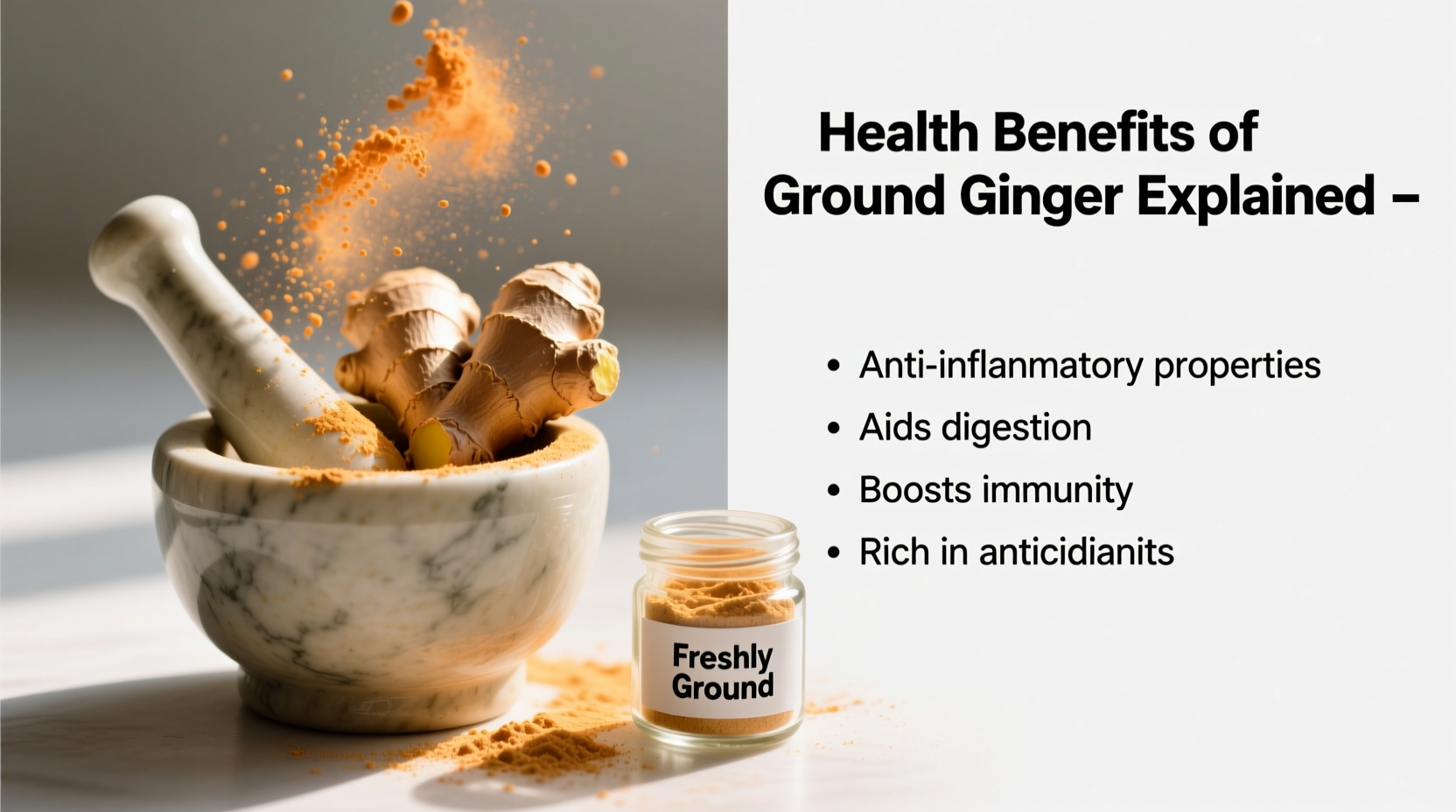
Ground ginger is a dried and finely milled form of the ginger root, or rhizome, native to Southeast Asia and now cultivated globally in tropical regions. It belongs to the Zingiberaceae family, which also includes turmeric and cardamom. The process of drying and grinding concentrates certain phytochemicals, particularly gingerols and shogaols—compounds responsible for many of its medicinal attributes.
In culinary terms, ground ginger is classified as a warm spice, commonly used in both sweet and savory dishes across global cuisines—from Indian curries and Middle Eastern spice blends to American pumpkin pies and Scandinavian gingerbread. Its historical use spans over 5,000 years in Ayurvedic, Chinese, and Unani systems of medicine, where it was traditionally prescribed for ailments ranging from nausea and colds to joint pain and circulatory issues.
The shift from fresh to ground alters not only texture and convenience but also chemical composition. Drying increases the concentration of shogaols, which are dehydrated derivatives of gingerols and exhibit stronger antioxidant and anti-inflammatory activity in some studies. This makes ground ginger particularly valuable in contexts where sustained potency and ease of dosing matter.
Key Characteristics
| Attribute | Description |
|---|---|
| Flavor Profile | Warm, slightly sweet, pungent, with earthy undertones and mild peppery heat. |
| Aroma | Sharp, woody, and citrusy with camphor-like notes when freshly ground. |
| Color | Tan to light brown; darker shades may indicate age or extended drying. |
| Heat Level | Moderate warmth (not spicy like chili); builds gradually without burning. |
| Culinary Function | Flavor enhancer, digestive aid, preservative (antimicrobial), color contributor. |
| Shelf Life | 2–3 years if stored properly in an airtight container away from light and moisture. |
| Solubility | Partially water-soluble; best dispersed in liquids or fats before heating. |
Practical Usage: How to Use Ground Ginger Effectively
Using ground ginger wisely maximizes both flavor impact and health benefits. Because it is more concentrated than fresh ginger, dosage matters. A general rule: **¼ to ½ teaspoon of ground ginger equals about 1 tablespoon of freshly grated ginger**, though flavor intensity varies by dish acidity, fat content, and cooking time.
- Beverages: Stir ¼ tsp into hot water with lemon and honey for a soothing digestive tonic. Add to smoothies, golden milk, or herbal teas for immune support.
- Baking: Incorporate into muffins, cookies, or oatmeal for warming depth. Pairs exceptionally well with cinnamon, nutmeg, cloves, and allspice.
- Savory Cooking: Use in spice rubs for roasted vegetables, lentil soups, or grain bowls. Enhances tomato-based sauces, stir-fries, and Middle Eastern stews like tagines.
- Meal Prep: Blend into salad dressings using olive oil and apple cider vinegar to help extract fat-soluble compounds.
For therapeutic effect, consistency is key. Daily intake of **1 to 3 grams of ground ginger (approximately ½ to 1½ teaspoons)** has been used safely in clinical trials targeting inflammation, nausea, and metabolic markers. However, exceeding 4 grams per day may lead to gastrointestinal irritation in sensitive individuals.
Pro Tip: To activate ginger’s bioactive compounds, combine ground ginger with a healthy fat (like coconut oil or ghee) and gentle heat. This improves absorption of lipophilic components such as shogaols. Avoid boiling for prolonged periods, as high heat can degrade volatile oils.
Variants & Types of Ginger Products
While ground ginger dominates Western kitchens, several forms exist, each suited to different purposes:
- Fresh Ginger Root: Juicy, fibrous, with bright, zesty heat. Ideal for grating into salsas, juicing, or simmering in broths. Contains higher levels of gingerol but shorter shelf life.
- Crystallized/Glaced Ginger: Candied pieces preserved in sugar syrup. Used in confections or chopped into trail mix. High sugar content limits health utility despite retaining some active compounds.
- Ginger Extract or Tincture: Alcohol-based liquid extracts offering standardized doses of gingerols. Common in supplements for nausea or motion sickness.
- Ginger Tea (Dried Slices or Bags): Made from sliced, dehydrated rhizomes. Less fine than ground ginger but similar in potency.
- Supplemental Powder (Capsules): Encapsulated ginger powder, often enteric-coated to reduce stomach upset. Provides precise dosing for medical applications.
When selecting ground ginger, opt for organic, non-irradiated varieties from reputable brands. Look for vibrant color and strong aroma—dull or musty-smelling powder indicates oxidation and loss of efficacy.
Comparison with Similar Ingredients
Ginger is frequently confused with other spices due to overlapping flavor profiles or naming conventions. Understanding distinctions ensures proper usage and expected outcomes.
| Ingredient | Differences from Ground Ginger | Common Misuse |
|---|---|---|
| Galangal | Harder texture, sharper, pine-like flavor; common in Thai cuisine. Not interchangeable in most recipes. | Substituted for ginger in curries—results in overly astringent taste. |
| Turmeric | Golden-yellow hue, earthy, less pungent. Shares anti-inflammatory properties but lacks ginger’s thermogenic warmth. | Used solely for color without balancing flavor; misses synergistic potential when combined. |
| Ground Cinnamon | Sweeter, woody profile; complements but does not replicate ginger’s bite. | Overused in attempts to mimic gingerbread flavor without actual ginger. |
| Ground Allspice | Complex blend of clove, nutmeg, and cinnamon notes; no relation to ginger botanically. | Assumed to be a “ginger substitute” in Caribbean-inspired dishes—leads to incorrect flavor balance. |
Notably, combining ground ginger with turmeric and black pepper creates a powerful trio known for enhancing bioavailability and amplifying anti-inflammatory effects—a synergy supported by pharmacological research.
Science-Backed Health Benefits of Ground Ginger
The therapeutic value of ground ginger stems primarily from its rich array of phenolic compounds, especially gingerols and shogaols. These molecules interact with multiple physiological pathways, contributing to measurable health improvements.
Digestive Support and Nausea Relief
Ginger has been extensively studied for its ability to accelerate gastric emptying and reduce symptoms of indigestion. In clinical settings, ginger powder at doses of 1–1.2 grams taken before surgery significantly reduced postoperative nausea and vomiting compared to placebo. Similarly, pregnant women experiencing morning sickness found relief with 250 mg of ginger four times daily, according to a meta-analysis published in *Obstetrics & Gynecology*.
Mechanistically, ginger stimulates saliva, bile, and digestive enzyme secretion while modulating serotonin receptors in the gut—key players in nausea signaling.
Anti-Inflammatory and Pain-Reducing Effects
Chronic inflammation underlies conditions such as osteoarthritis, cardiovascular disease, and type 2 diabetes. Ginger exerts anti-inflammatory action by inhibiting pro-inflammatory cytokines like TNF-α and IL-6, as well as enzymes such as COX-2 and 5-LOX—similar to how NSAIDs work, but without ulcerogenic side effects.
A randomized controlled trial in patients with knee osteoarthritis showed that 2 grams of ginger daily reduced pain scores and reliance on pain medication over 12 weeks. Another study found that athletes consuming ginger reported lower muscle soreness after intense exercise.
Immune System Modulation
While not a direct antiviral agent, ginger supports immune function through antioxidant activity and regulation of immune cell behavior. Its polyphenols scavenge free radicals and upregulate endogenous antioxidants like glutathione. Additionally, ginger enhances mucosal immunity in the respiratory tract, potentially reducing susceptibility to infections during cold season.
\"Ginger doesn't 'boost' the immune system indiscriminately—it modulates it. That means calming excessive responses (like in allergies) while priming defenses against pathogens.\" — Dr. Lena Patel, Integrative Nutrition Researcher
Metabolic Health and Blood Sugar Regulation
Emerging evidence suggests ginger improves insulin sensitivity and glucose metabolism. A 2015 double-blind trial found that 2 grams of ginger powder daily for 12 weeks significantly lowered fasting blood sugar, HbA1c, and apolipoprotein B in patients with type 2 diabetes.
Proposed mechanisms include activation of AMPK (a cellular energy sensor involved in glucose uptake) and suppression of carbohydrate-digesting enzymes in the small intestine, slowing glucose absorption.
Cardiovascular Protection
Ginger contributes to heart health via multiple routes: reducing oxidative stress in blood vessels, lowering LDL cholesterol oxidation, and mildly inhibiting platelet aggregation—though not enough to interfere with anticoagulant therapy when consumed in culinary amounts.
In animal models, dietary ginger supplementation reduced arterial plaque formation. Human trials show modest reductions in systolic blood pressure and triglycerides, particularly in those with baseline elevations.
Practical Tips & FAQs
How much ground ginger should I consume daily for health benefits?
For general wellness, ½ to 1 teaspoon (1–2 grams) per day is sufficient. For targeted support (e.g., joint pain, digestion), clinical studies use up to 3 grams divided into two or three doses. Always start low to assess tolerance.
Can ground ginger go bad?
It doesn’t spoil in the microbial sense but loses potency over time. Store in an opaque, airtight glass jar in a cool, dark cupboard. Discard if it smells flat or fails to release aroma when rubbed between fingers.
Is ground ginger safe during pregnancy?
Yes, in moderation. Up to 1 gram per day (about ½ tsp) is considered safe for managing nausea. Consult your healthcare provider before using larger amounts or in supplement form.
What are the side effects of too much ground ginger?
Excessive intake (>4 grams/day) may cause heartburn, diarrhea, or mouth irritation. Rarely, it may interact with blood thinners or diabetes medications due to mild hypoglycemic and antiplatelet effects.
Can I substitute fresh ginger for ground?
Yes, but adjust quantities. Use 1 tablespoon freshly grated ginger for every ¼ tsp of ground ginger. Note that fresh ginger has more moisture and a brighter, less concentrated flavor.
Does cooking destroy ginger’s health benefits?
Some degradation occurs with prolonged high heat, but many active compounds remain stable. Gentle sautéing or steeping preserves efficacy better than boiling for hours.
Storage Checklist:
- Use amber or opaque containers to block UV light
- Label jars with purchase date
- Keep away from stove or dishwasher heat
- Grind whole dried slices yourself for maximum freshness (if available)
Summary & Key Takeaways
Ground ginger is a versatile, scientifically validated ingredient that bridges culinary tradition and modern preventive health. Its primary bioactives—gingerols and shogaols—deliver measurable benefits across digestive, inflammatory, metabolic, and immune domains. Unlike isolated supplements, culinary use integrates these compounds into enjoyable, sustainable dietary patterns.
- Ground ginger offers concentrated, shelf-stable access to ginger’s therapeutic compounds.
- It supports digestion, reduces inflammation, aids blood sugar control, and strengthens immune resilience.
- Effective daily doses range from 1 to 3 grams (½ to 1½ tsp), easily incorporated into drinks, meals, or baked goods.
- Store properly to maintain potency; replace every 2–3 years.
- Combine with fats and complementary spices like turmeric and black pepper to enhance absorption and efficacy.
Take Action Today: Start by adding ¼ tsp of ground ginger to your morning tea or oatmeal. Track any changes in digestion, energy, or joint comfort over two weeks. Small, consistent habits yield the most lasting results.









