In today’s fast-paced world, stress has become an almost inevitable companion. Whether it stems from work pressure, personal responsibilities, or emotional challenges, chronic stress can take a toll on mental clarity, physical health, and overall well-being. One of the most compassionate things you can do for someone feeling overwhelmed is to support their journey toward relaxation and self-care. Thoughtful gifts that encourage rest, mindfulness, and gentle recovery can make a meaningful difference. These aren’t just items—they’re invitations to pause, breathe, and reconnect with oneself.
The Importance of Self-Care in Stress Management
Self-care is not indulgence; it's a necessity. When individuals are under prolonged stress, their nervous systems remain in a heightened state, which can lead to fatigue, anxiety, and weakened immunity. Introducing calming rituals through intentional gifts helps activate the parasympathetic nervous system—the body’s natural “rest and digest” mode. The right gift can serve as both comfort and a practical tool, gently guiding the recipient toward healthier habits.
According to Dr. Elena Torres, a clinical psychologist specializing in stress reduction, “Small, consistent acts of self-kindness build resilience over time. A gift that encourages presence—like a guided journal or a weighted blanket—can be the starting point of real change.”
“Self-care isn’t selfish—it’s the foundation of sustainable well-being.” — Dr. Elena Torres, Clinical Psychologist
Curated Gift Ideas for Deep Relaxation
When selecting a gift for someone experiencing stress, focus on sensory comfort, simplicity, and usability. The best choices reduce decision fatigue and invite effortless engagement. Below are categories of highly effective self-care gifts, each designed to soothe different aspects of the stressed mind and body.
1. Weighted Blankets for Grounding Comfort
Weighted blankets apply gentle, even pressure across the body, mimicking deep-touch stimulation. This can increase serotonin and melatonin levels while reducing cortisol, the stress hormone. Ideal for those who struggle with racing thoughts or insomnia, these blankets provide a sense of safety and grounding.
Tip: Choose a blanket that weighs approximately 10% of the person’s body weight for optimal comfort and effectiveness.2. Aromatherapy Diffusers and Essential Oils
Scent has a direct pathway to the limbic system, the brain’s emotional center. Lavender, chamomile, and bergamot are clinically associated with reduced anxiety. A quiet diffuser paired with a small set of high-quality essential oils offers a simple way to transform a living space into a calming sanctuary.
3. Mindfulness Journals with Guided Prompts
Journaling helps externalize overwhelming thoughts. Gifts like *The Five-Minute Journal* or *Start Where You Are* by Meera Lee Patel combine structure with creativity, making reflection accessible even on difficult days. Look for journals with affirmations, gratitude prompts, or breathing exercises built into the layout.
4. Herbal Tea Blends for Calm
Caffeine-free herbal teas such as passionflower, valerian root, and lemon balm support relaxation and sleep quality. Curate a box of premium blends with brewing instructions and a note suggesting a nightly ritual. Bonus points for including a soft ceramic mug or reusable infuser.
5. Noise-Canceling Headphones or Sound Machines
For those living in noisy environments or dealing with sensory overload, auditory control is crucial. Compact white noise machines or over-ear noise-canceling headphones allow users to create private zones of calm. Preload playlists of nature sounds, binaural beats, or guided meditations for added value.
Comparison Table: Best Self-Care Gifts by Benefit
| Gift | Primary Benefit | Best For | Average Price Range |
|---|---|---|---|
| Weighted Blanket | Deep pressure stimulation, improved sleep | Anxiety, insomnia | $70–$150 |
| Aromatherapy Diffuser | Mood regulation via scent | Daily de-stressing, focus | $25–$60 |
| Guided Journal | Emotional processing, mindfulness | Overthinkers, busy professionals | $15–$30 |
| Herbal Tea Sampler | Natural relaxation, hydration | Evening wind-down | $12–$25 |
| Noise-Canceling Headphones | Sensory reduction, focus | Urban dwellers, remote workers | $100–$300 |
Step-by-Step: Creating a Personalized Self-Care Gift Box
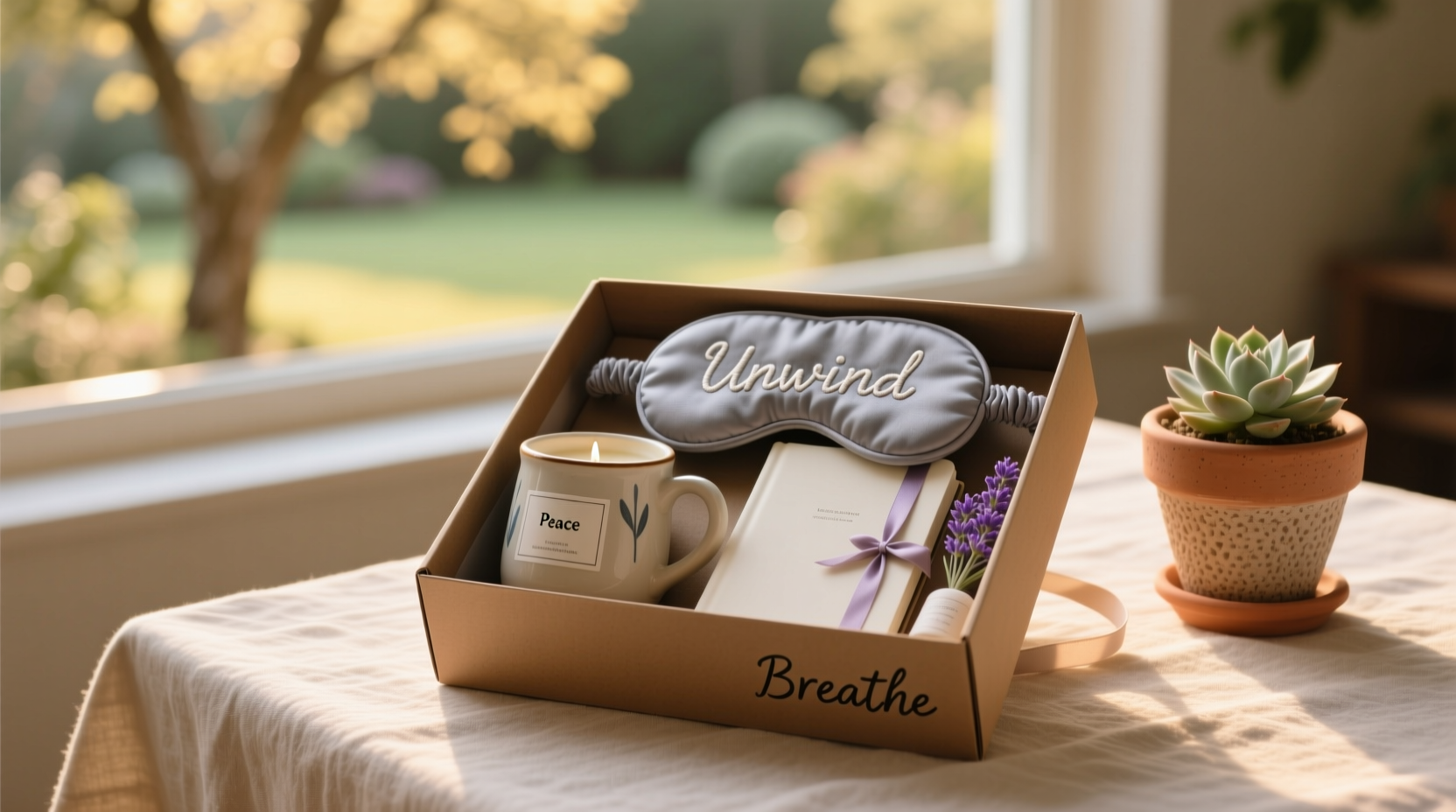
A curated gift box multiplies the impact of individual items by creating a cohesive experience. Follow this sequence to assemble a meaningful, ready-to-use relaxation kit:
- Assess the recipient’s lifestyle: Do they have trouble sleeping? Are they constantly multitasking? Tailor the contents accordingly.
- Select a theme: Examples include “Nightly Wind-Down,” “Mindful Mornings,” or “Digital Detox.”
- Pick 3–5 complementary items: Combine tactile (e.g., eye mask), olfactory (e.g., essential oil roller), and experiential (e.g., meditation card deck).
- Add a handwritten note: Suggest how to use the items together. Example: “Try sipping the tea while listening to the playlist with your eyes closed.”
- Pack thoughtfully: Use recycled tissue paper, a reusable linen bag, or a wooden box to enhance the unboxing experience.
Real-Life Example: How a Simple Gift Transformed a Friend’s Routine
Sarah, a project manager working remotely, had been struggling with burnout after months of back-to-back deadlines. Her friend Mia noticed her constant exhaustion and gifted her a small box labeled “Permission to Pause.” Inside was a lavender-scented candle, a linen sleep mask, a packet of chamomile tea, and a note: “You don’t need to earn rest.”
Sarah later shared that the gift felt like validation. She started using the tea and candle every night before bed, lighting the candle as a signal that work was done. Within two weeks, she reported better sleep and a noticeable decrease in evening anxiety. The ritual became non-negotiable—a small act with outsized impact.
Checklist: Essentials for a High-Impact Self-Care Gift
- ✅ Focus on sensory comfort (touch, smell, sound)
- ✅ Choose low-effort, high-reward items
- ✅ Avoid overly complex tools requiring setup
- ✅ Prioritize quality over quantity
- ✅ Include a personal touch (note, custom playlist)
- ✅ Ensure items are easy to store and use daily
- ✅ Consider sustainability (reusable, eco-friendly materials)
Frequently Asked Questions
What if I don’t know the person’s specific stress triggers?
Stick to universally soothing items: herbal tea, a soft throw blanket, or a journal with gentle prompts. These are safe, inclusive choices that don’t require intimate knowledge of the recipient’s struggles.
Are expensive gifts more effective?
Not necessarily. Research shows that perceived thoughtfulness matters more than price. A $20 curated tea set with a heartfelt note often resonates more deeply than a generic luxury item.
Can self-care gifts replace professional help?
No. While these gifts support well-being, they are not substitutes for therapy or medical treatment. If someone is experiencing severe anxiety or depression, encourage them to seek professional support—your care can coexist with that guidance.
Conclusion: The Lasting Impact of Thoughtful Gifting
Giving a self-care gift to someone under stress is more than a gesture—it’s an act of empathy. In a culture that often equates busyness with worth, reminding someone that rest is valid can be revolutionary. Each item you choose becomes a quiet ally in their journey toward balance. Whether it’s the warmth of a weighted blanket or the stillness brought by a few drops of lavender oil, these small comforts accumulate into lasting change.
💬 What’s one self-care item that changed your routine? Share your story in the comments and inspire others to give the gift of peace.








