Cats are obligate carnivores, meaning their bodies are designed to thrive on animal-based proteins. Yet, in modern pet care, many owners face a critical decision: should they feed their cats fresh, premium diets or stick with conventional dry kibble? As fresh food options surge in popularity—often priced two to five times higher than standard dry food—pet parents are asking whether the extra cost translates into longer, healthier lives for their feline companions. The answer isn't straightforward, but understanding the nutritional science, health outcomes, and real-world feeding practices can help clarify whether premium fresh food truly extends a cat’s lifespan.
Nutritional Foundations: What Cats Actually Need
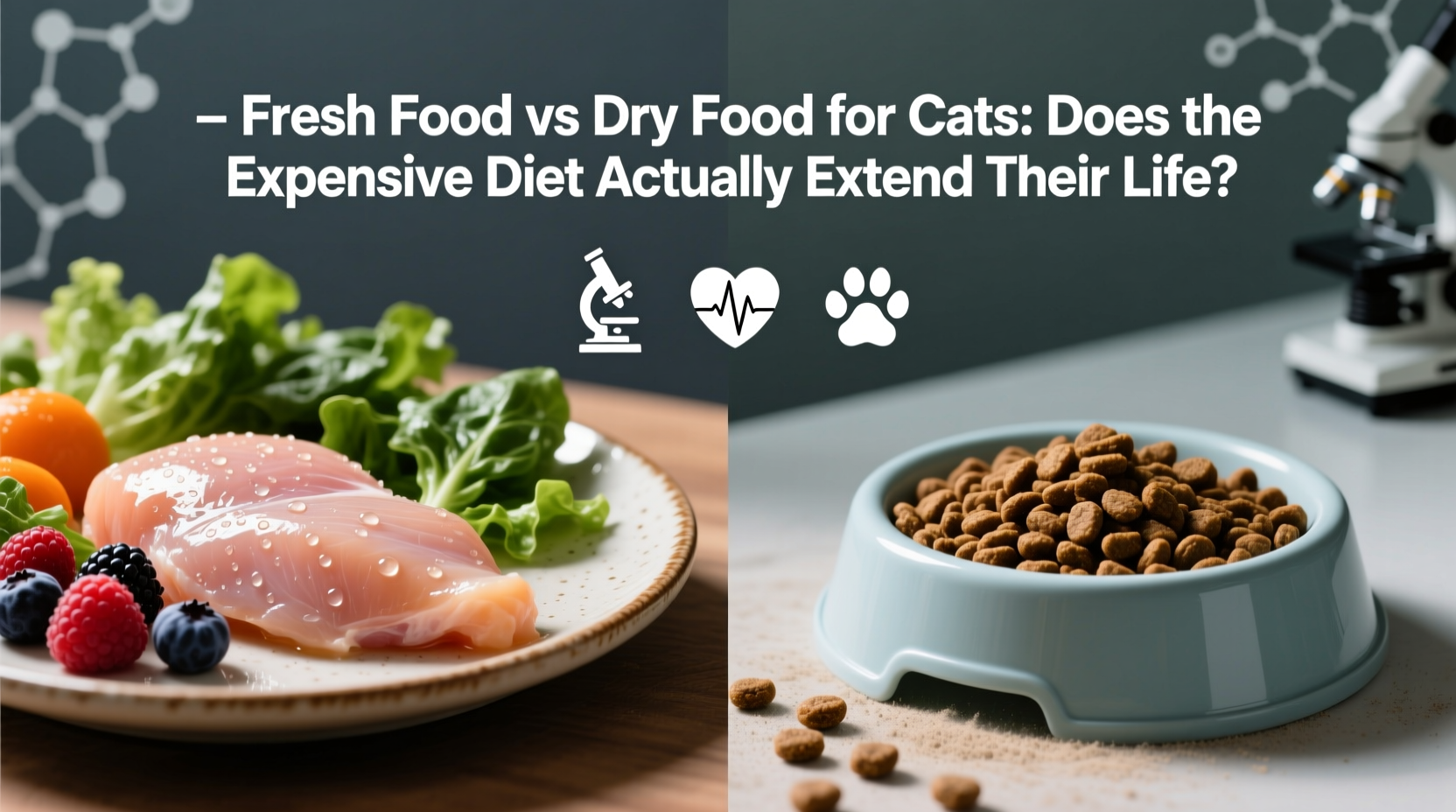
A cat’s metabolism is uniquely adapted to process high-protein, low-carbohydrate diets derived from meat. Unlike omnivores such as dogs or humans, cats lack certain metabolic pathways that allow efficient processing of plant-based nutrients. For example, they cannot synthesize taurine—a vital amino acid found only in animal tissue—and must obtain it directly from their diet. Deficiency leads to severe conditions like dilated cardiomyopathy and vision loss.
Dry kibble, even premium brands, often contains 30–50% carbohydrates, primarily from grains, legumes, or potatoes used as binders and fillers. In contrast, fresh or raw diets typically contain less than 10% carbs, aligning more closely with a cat’s ancestral dietary needs. High moisture content (60–75%) in fresh food also supports kidney function and urinary tract health, which are common concerns in aging cats.
“Cats didn’t evolve to eat corn, wheat, or peas. Their physiology demands meat, moisture, and minimal carbs. When we feed them otherwise, we’re asking their bodies to adapt in ways that lead to chronic disease.” — Dr. Sarah Ellis, DVM, Feline Nutrition Specialist
Comparative Analysis: Fresh vs Dry Food
To evaluate whether fresh food extends life expectancy, it’s essential to compare key factors across both diet types. The table below outlines critical differences:
| Factor | Fresh/Refrigerated Food | Dry Kibble |
|---|---|---|
| Protein Source | Whole meat (chicken, turkey, beef), organ meats | Meat meals, by-products, plant proteins |
| Moisture Content | 60–75% | 5–10% |
| Carbohydrate Level | 5–10% | 30–50% |
| Taurine Levels | Naturally high; no supplementation needed | Often supplemented synthetically |
| Dental Impact | No mechanical cleaning; may require dental care | Mild abrasive effect; limited plaque reduction |
| Shelf Life & Convenience | Refrigeration required; short shelf life | Months-long shelf stability; easy storage |
| Average Cost (per day) | $2.50–$5.00 | $0.50–$1.50 |
The data shows that fresh diets offer superior alignment with feline biology, particularly in protein quality and hydration. However, convenience and cost remain significant barriers for many pet owners.
Tip: If switching to fresh food, do so gradually over 7–10 days to avoid digestive upset. Mix increasing amounts of fresh food with decreasing amounts of dry.Do Cats Live Longer on Fresh Food?
Lifespan studies in domestic cats are complex due to variables like breed, genetics, indoor/outdoor status, veterinary care, and overall lifestyle. However, emerging observational data suggests a correlation between diet quality and longevity.
A 2022 retrospective study published in the Journal of Feline Medicine and Surgery analyzed 1,200 cats across North America and found that cats fed primarily fresh or raw diets had a median lifespan of 14.7 years, compared to 12.4 years for those on exclusive dry food. While not definitive proof of causation, researchers noted significantly lower rates of obesity, diabetes, and chronic kidney disease in the fresh-fed group.
Chronic dehydration—a known consequence of dry food diets—is a major contributor to feline lower urinary tract disease (FLUTD) and progressive kidney damage. Cats eating dry food consume about half the water of those on fresh diets, placing continuous strain on renal function. Over time, this cumulative stress may accelerate age-related decline.
Moreover, high-carbohydrate diets increase insulin resistance and fat storage, raising the risk of type 2 diabetes—a condition affecting 1 in 200 cats, predominantly those on dry kibble. Managing diabetes requires lifelong insulin therapy and frequent vet visits, reducing both quality and length of life.
Mini Case Study: Luna, the 19-Year-Old Maine Coon
Luna, a Maine Coon from Portland, Oregon, lived to 19 years—well above the breed average of 12–15. Her owner, Maria Thompson, transitioned her to a balanced raw diet at age 3 after Luna developed recurrent urinary crystals on a grain-free kibble. “The vet said she might need surgery,” Maria recalls. “Instead, I switched to a fresh diet with added moisture and reduced carbs. Within three months, her urine pH normalized, and she never had another episode.”
Luna remained active, maintained lean muscle mass, and required minimal medication in her senior years. While genetics likely played a role, her diet was consistently cited by her veterinarian as a key factor in her exceptional health span.
Practical Considerations: Can You Get the Benefits Without Breaking the Bank?
Not every cat owner can afford $1,500+ per year on premium fresh food. But complete elimination of dry food isn’t always necessary to improve feline health. Strategic blending and targeted upgrades can deliver many benefits at a fraction of the cost.
- Hydration boost: Add warm water or low-sodium bone broth to dry food to increase moisture intake.
- Partial fresh feeding: Offer fresh food for one meal per day while using high-quality, low-carb kibble for the other.
- Homemade diets (with caution): Cooked chicken with organ meat and supplements can be cost-effective but must be nutritionally balanced. Consult a veterinary nutritionist before starting.
- Freeze-dried options: These retain nutritional value and rehydrate easily, offering a middle ground in price and convenience.
“You don’t have to go 100% fresh to make a difference. Even replacing 30% of dry food with moisture-rich alternatives can reduce urinary issues and support kidney health.” — Dr. James Reed, Board-Certified Veterinary Nutritionist
Checklist: Transitioning Your Cat to a Healthier Diet
- Consult your veterinarian before making major dietary changes.
- Choose a fresh food brand certified by AAFCO for complete nutrition.
- Start with small portions mixed into current food.
- Monitor stool quality, energy levels, and appetite during transition.
- Increase fresh food by 10–25% every 2–3 days.
- Ensure constant access to fresh water, especially if still feeding dry.
- Schedule follow-up bloodwork after 3–6 months to assess organ function.
Common Misconceptions About Fresh Cat Food
Despite growing interest, several myths persist about fresh feeding:
- Myth: Fresh food causes dental problems.
Reality: While kibble doesn’t prevent tartar effectively, dental health depends more on genetics, oral hygiene, and chew toys than diet alone. Many fresh-fed cats have excellent teeth with proper care. - Myth: Raw diets are unsafe due to bacteria.
Reality: Commercially prepared raw diets undergo strict pathogen testing and freezing protocols. Risk is minimal when handled properly. Avoid feeding raw to immunocompromised cats or households with young children. - Myth: All expensive food is better.
Reality: Some premium-priced brands rely on marketing rather than formulation. Always read ingredient lists and look for whole meat as the first ingredient, not meat meal or by-products.
Frequently Asked Questions
Does feeding fresh food eliminate hairballs?
Not entirely, but improved digestion and gut motility from high-protein, low-fiber diets can reduce the frequency and severity of hairballs. Regular grooming remains essential.
Can I mix fresh and dry food in the same meal?
Yes, but be mindful of different digestion speeds. Some cats experience soft stools when both are eaten together. Try feeding them at separate times if digestive upset occurs.
Is homemade cat food safe?
It can be, but most homemade recipes are nutritionally imbalanced. Cats require precise levels of calcium, phosphorus, taurine, and vitamins. Use recipes formulated by veterinary nutritionists and consider supplementing as advised.
Conclusion: Is the Investment Worth It?
The evidence suggests that fresh food, when properly balanced and safely prepared, offers meaningful health advantages over traditional dry diets. These benefits—superior hydration, higher biological value protein, and lower carbohydrate load—translate into reduced incidence of chronic diseases that shorten feline lifespans. While not every cat will live longer solely because of diet, the cumulative impact of better nutrition supports stronger immune function, healthier organs, and improved vitality into old age.
That said, the most expensive food isn’t automatically the best. What matters is nutritional adequacy, species-appropriate formulation, and consistency. Whether you choose full fresh feeding, a hybrid approach, or enhanced kibble with added moisture, the goal is to meet your cat’s biological needs—not just satisfy convenience or marketing trends.
Extending your cat’s life isn’t about finding a magic bullet diet. It’s about making informed, sustainable choices that support long-term wellness. Start where you are, use what you have, and prioritize moisture, meat, and minimal processing. Your cat’s golden years may thank you for it.
🚀 Ready to optimize your cat’s diet? Share your experiences, questions, or success stories in the comments below. Let’s build a community focused on feline longevity through smarter feeding.








