
Waking up with a dull throb behind the eyes, feeling pressure build through the day, or experiencing sudden sharp pains without warning—frequent headaches can disrupt work, relationships, and quality of life. While occasional head pain is common, recurring headaches signal that something in your body or lifestyle may need attention. Understanding the root causes, identifying personal triggers, and taking proactive steps can make a significant difference.
Common Types of Frequent Headaches
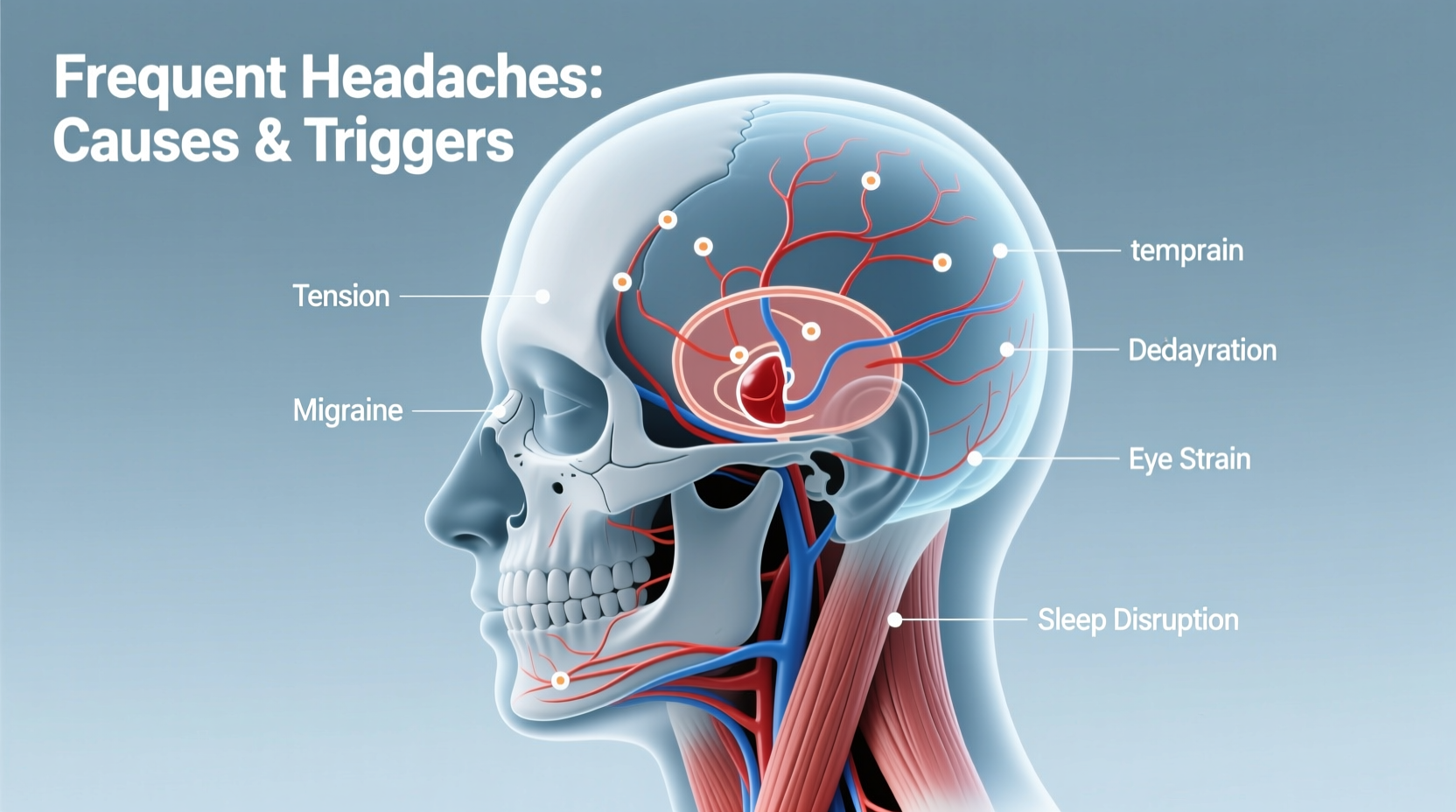
Not all headaches are the same. The type you experience often determines its cause and treatment approach. The three most common types linked to frequent occurrences are tension-type headaches, migraines, and cluster headaches.
- Tension-type headaches: The most prevalent form, characterized by a constant, dull ache on both sides of the head, often described as a tight band around the forehead. These are frequently linked to stress, poor posture, or eye strain.
- Migraines: Intense, pulsating pain typically on one side of the head, often accompanied by nausea, sensitivity to light or sound, and visual disturbances known as auras. Migraines can last hours to days and significantly impair function.
- Cluster headaches: Less common but extremely painful, occurring in cyclical patterns or “clusters.” Pain is usually centered around one eye and may come with tearing, nasal congestion, or drooping eyelid.
Lifestyle and Environmental Triggers
Daily habits play a major role in triggering or worsening headaches. Many people overlook how routine behaviors contribute to chronic head pain.
Sleep disruption—both too little and too much sleep—can initiate headaches. Irregular sleep schedules confuse the brain’s internal clock, increasing susceptibility. Similarly, dehydration is a frequent culprit; even mild fluid loss affects blood flow and brain function.
Diet also matters. Skipping meals leads to low blood sugar, which can spark tension headaches. Certain foods—like aged cheeses, processed meats with nitrates, alcohol (especially red wine), and artificial sweeteners such as aspartame—are known migraine triggers for some individuals.
Environmental factors include prolonged screen exposure, poor lighting, strong odors (perfumes, cleaning agents), and high noise levels. These stimuli can overstimulate the nervous system, especially in people prone to migraines.
“Up to 60% of patients with chronic headaches have identifiable lifestyle contributors. Addressing these can reduce frequency by half—even without medication.” — Dr. Lena Patel, Neurologist & Headache Specialist
Medical and Physiological Causes
Beyond lifestyle, underlying health conditions may be responsible for persistent headaches. These require professional evaluation and should not be ignored.
Sinus infections cause deep facial pressure and pain, often mistaken for migraines. If symptoms include thick nasal discharge, fever, and tooth pain, sinusitis could be the source.
Hormonal fluctuations, particularly in women, are strongly tied to headache patterns. Many experience migraines just before or during menstruation due to drops in estrogen levels. Pregnancy, menopause, and hormonal contraceptives can also influence frequency.
Other medical concerns include high blood pressure, temporomandibular joint (TMJ) disorders, vision problems (such as uncorrected astigmatism), and neck muscle tension from poor ergonomics. In rare cases, frequent headaches may indicate more serious neurological issues like tumors or intracranial pressure changes—though these are typically accompanied by red-flag symptoms such as confusion, seizures, or sudden onset after age 50.
When to Seek Immediate Medical Attention
Seek urgent care if your headache comes with:
- Sudden, severe onset (\"thunderclap\" headache)
- Fever, stiff neck, or confusion
- Weakness, numbness, or difficulty speaking
- Vision loss or double vision
- Head injury preceding the pain
Step-by-Step Guide to Reducing Headache Frequency
Managing chronic headaches involves a structured approach. Follow this timeline to identify causes and implement effective changes.
- Week 1–2: Track Symptoms
Create a daily log noting headache timing, duration, severity (rate 1–10), location, associated symptoms, and possible triggers (e.g., missed meal, stress, weather change). - Week 3: Review Patterns
Analyze your journal. Look for consistent correlations—do headaches follow caffeine withdrawal? Poor sleep? Screen time? - Week 4: Modify Lifestyle Factors
Introduce one change at a time: hydrate consistently (aim for 2L water/day), establish a regular sleep schedule, reduce screen glare, and take stretch breaks every hour if working at a desk. - Week 5–6: Eliminate Suspected Triggers
If diet is suspect, try an elimination phase: remove common trigger foods (processed meats, chocolate, alcohol) for 10 days, then reintroduce one at a time while monitoring symptoms. - Week 7+: Consult a Professional
Bring your journal to a doctor or neurologist. They may recommend imaging, blood tests, or preventive medications based on your pattern.
Do’s and Don’ts: Managing Headache Triggers
| Do’s | Don’ts |
|---|---|
| Stay hydrated throughout the day | Go more than 4–5 hours without drinking water |
| Maintain consistent sleep and wake times | Use screens right before bed |
| Take short breaks during prolonged computer use | Slouch at your desk or hold phones between shoulder and ear |
| Eat balanced meals at regular intervals | Skip breakfast or rely on sugary snacks |
| Practice relaxation techniques (deep breathing, meditation) | Ignore rising stress levels or emotional overload |
Real-Life Example: Sarah’s Turnaround
Sarah, a 34-year-old graphic designer, experienced headaches nearly four times a week, mostly in the late afternoon. She assumed it was stress-related and relied on over-the-counter painkillers. After keeping a two-week log, she noticed a clear pattern: headaches occurred only on days she skipped lunch or drank less than one glass of water before noon. She also worked under fluorescent lights and rarely stepped outside.
With her doctor’s guidance, Sarah began packing balanced lunches, set hourly hydration reminders, and switched to a blue-light filter on her monitor. Within three weeks, her headache frequency dropped to once every 10–14 days. Minor adjustments, guided by observation, made a major impact.
FAQ
Can dehydration really cause headaches?
Yes. Even mild dehydration alters electrolyte balance and reduces blood volume, prompting the brain to temporarily contract from fluid loss. This can activate pain receptors. Rehydrating often relieves symptoms within 30–60 minutes.
Is it normal to have headaches every day?
No. Daily headaches are not considered normal and may indicate chronic migraine, medication overuse headache, or another condition. Seeing a healthcare provider is essential for proper diagnosis and management.
Why do I get headaches after using my phone or computer?
Prolonged screen time causes eye strain, poor posture, and reduced blinking—all contributing to tension-type headaches. Adjusting screen brightness, using the 20-20-20 rule (every 20 minutes, look at something 20 feet away for 20 seconds), and ensuring ergonomic alignment can help prevent them.
Conclusion
Frequent headaches are not something you must endure. They are signals—sometimes subtle, sometimes urgent—that your body needs adjustment or care. Whether the cause lies in hydration, sleep, posture, or an underlying condition, identifying the root is the first step toward relief. Small, consistent changes often yield dramatic results, as many who’ve tracked their patterns and modified habits can attest.
🚀 Start today: Grab a notebook or use a notes app, and begin tracking your next headache. Awareness is the foundation of control. Share your experience or questions below—your journey might help someone else find relief too.