
In recent years, fidget toys have surged in popularity among adults, moving far beyond their origins as tools for children with ADHD. From sleek metal cubes to satisfying silicone spinners, these small handheld devices now populate desks, meeting rooms, and even therapy sessions. But as more professionals adopt them during work hours, a pressing question arises: do fidget toys genuinely enhance concentration, or are they simply modern-day distractions disguised as productivity aids?
The answer isn’t straightforward. While some users report improved mental clarity and reduced anxiety, others argue that fidgeting pulls attention away from complex tasks. To understand this phenomenon, it’s essential to examine the neuroscience behind movement and cognition, analyze real-world usage patterns, and consider individual differences in how people process sensory input.
The Science Behind Movement and Mental Focus
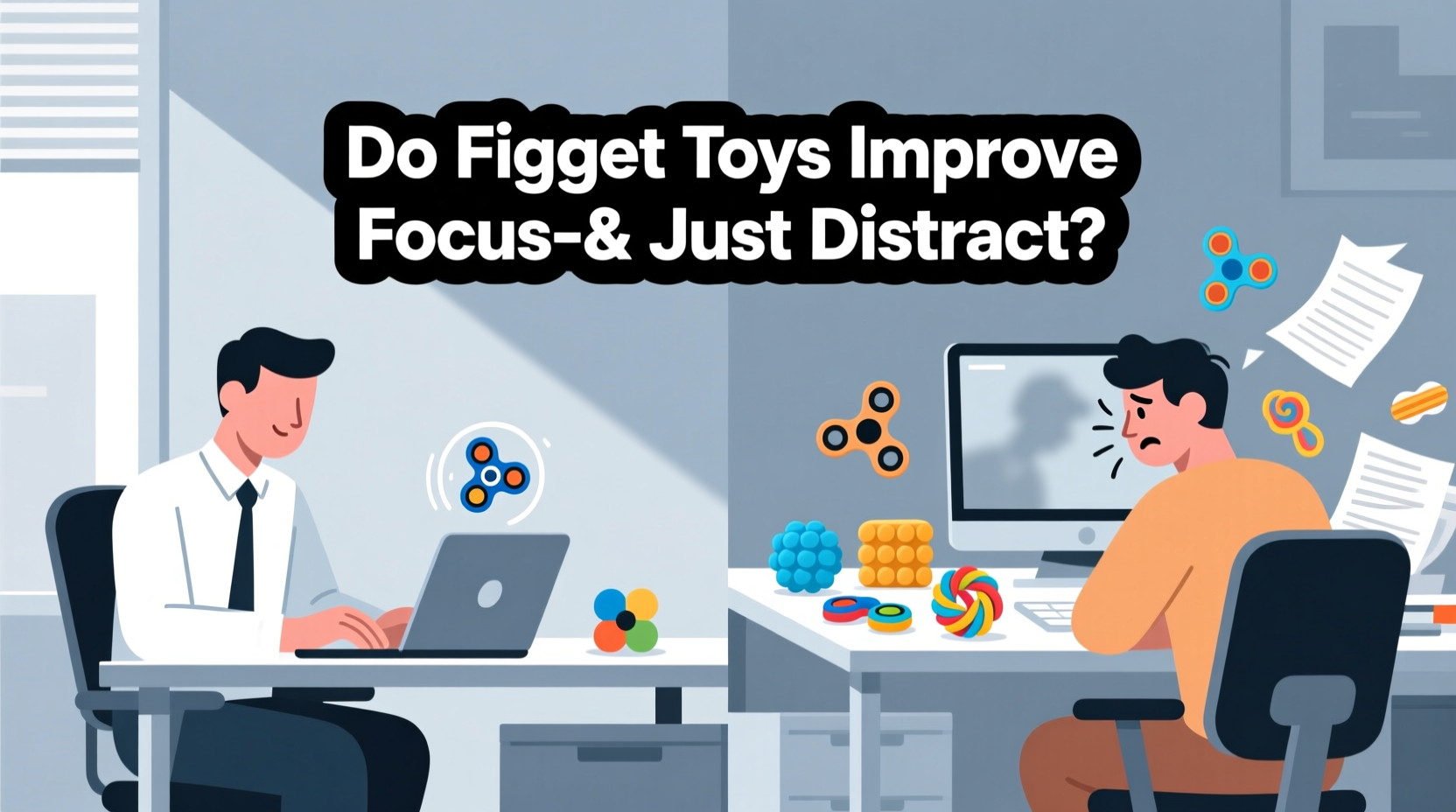
At first glance, fidgeting may seem counterproductive—after all, isn't stillness associated with deep thinking? However, research suggests that low-level physical activity can actually support cognitive performance, particularly for individuals who struggle with attention regulation.
A foundational study published in the Journal of Abnormal Child Psychology found that children with ADHD exhibited better executive functioning when allowed to move more freely. The researchers proposed that movement helps regulate arousal levels in the brain, essentially \"tuning\" neural circuits to stay engaged rather than drifting into restlessness or hyperfocus on irrelevant stimuli.
This principle extends into adulthood. Neuroscientist Dr. Edward Hallowell, a leading expert on attention disorders, explains:
“Movement stimulates the release of dopamine and norepinephrine—neurotransmitters critical for attention and motivation. For many adults, especially those with undiagnosed ADHD or high anxiety, fidgeting isn’t a sign of distraction; it’s a self-regulation strategy.” — Dr. Edward Hallowell, psychiatrist and author of *Driven to Distraction*
In other words, controlled tactile stimulation through a fidget toy may help stabilize mood, reduce stress, and maintain alertness without requiring full cognitive engagement. Think of it like chewing gum before an exam—not because it makes you smarter, but because it calms your nervous system enough to access what you already know.
When Fidget Toys Help—and When They Don’t
Not all fidgeting is created equal. The effectiveness of a fidget toy depends heavily on context, design, and user intent. A well-chosen device used appropriately can be a tool for focus; the wrong one—or misuse of the right one—can become a compulsive habit that undermines productivity.
Consider the following scenarios where fidget toys tend to succeed:
- During long meetings or lectures: Repetitive auditory input often leads to mental fatigue. Subtle hand movements can keep the brain mildly stimulated, preventing zoning out.
- While managing anxiety: Tactile feedback provides grounding, helping users remain present instead of spiraling into rumination.
- For neurodivergent individuals: People with ADHD, autism spectrum traits, or sensory processing sensitivities often benefit from external stimulatory input to balance internal over- or under-arousal.
Conversely, fidget toys backfire when:
- They demand visual attention (e.g., brightly colored spinners with flashing lights).
- The user becomes engrossed in manipulating the toy rather than the task at hand.
- They disrupt others—such as loud clicking mechanisms in quiet environments.
Comparing Popular Fidget Tools for Adult Use
| Toy Type | Best For | Potential Drawbacks | Ideal Environment |
|---|---|---|---|
| Fidget Cube | Variety of tactile inputs (clicks, glides, rolls) | Loud sounds may disturb others; multiple sides encourage switching | Home office, personal workspace |
| Spinner Rings | Discreet movement during meetings | Minimal stimulation; may not satisfy strong sensory needs | Professional settings, public speaking |
| Silicone Stretch Toys | Anxiety relief, muscle tension release | Can be distracting if stretched repeatedly in view | Therapy sessions, breaks between tasks |
| Metal Roller Chains | Smooth, silent motion; durable build | Higher cost; limited interactivity | Focus-intensive work, meditation aid |
| Infinity Cubes | Repetitive flipping motion promotes rhythm | May lead to autopilot use without cognitive benefit | Reading, listening, brainstorming |
This comparison highlights that no single fidget toy is universally effective. Success depends on matching the tool’s properties with both the environment and the user’s sensory profile.
A Real-World Example: How One Professional Regained Focus
Mark, a 38-year-old software developer diagnosed with ADHD in his mid-thirties, struggled with maintaining focus during code reviews and team stand-ups. He described feeling “antsy” and mentally detached, often missing key details despite wanting to engage fully.
After experimenting with various strategies, he introduced a small titanium spinner ring to wear during meetings. Unlike previous attempts with noisy desk gadgets, the ring was subtle and required only slight finger movement. Within two weeks, Mark reported fewer instances of zoning out and greater confidence in contributing to discussions.
His therapist noted, “The ring didn’t eliminate his challenges, but it gave him a consistent anchor point—a way to channel excess energy without disengaging socially.” Over time, Mark began pairing the physical stimulus with mindfulness cues, using the sensation of rolling metal as a reminder to return his attention to the speaker.
This case illustrates a crucial insight: fidget toys work best when integrated into a broader attention-management strategy, not treated as standalone solutions.
How to Use Fidget Toys Effectively: A Step-by-Step Guide
To maximize the benefits of fidget toys while minimizing distractions, follow this practical sequence:
- Assess Your Need: Ask yourself whether you’re seeking focus enhancement, stress reduction, or mere entertainment. Honest self-evaluation prevents misuse.
- Select the Right Tool: Prioritize simplicity and silence. Avoid toys with lights, sounds, or excessive complexity.
- Test in Low-Stakes Settings: Begin using the toy during routine activities like reading emails or listening to podcasts before introducing it into critical work.
- Set Usage Boundaries: Limit use to specific times—e.g., only during calls or brainstorming sessions—to prevent dependency.
- Monitor Impact: Track changes in concentration, anxiety levels, and task completion over one week. Adjust or discontinue based on results.
- Respect Shared Spaces: If working around others, ensure your fidgeting doesn’t create noise or visual disruption. Consider alternatives like stress balls under the desk.
Common Misconceptions About Adult Fidgeting
Despite growing acceptance, several myths persist about why adults use fidget toys:
- Myth: It's childish behavior. Reality: Self-regulation techniques vary by individual, not age. Adults use countless tools—from coffee to standing desks—to optimize performance.
- Myth: Only people with ADHD need them. Reality: Anyone experiencing stress, boredom, or information overload can benefit from regulated sensory input.
- Myth: All fidgeting improves focus. Reality: Uncontrolled or visually engaging fidgeting can fragment attention. Purposeful use matters more than presence alone.
Recognizing these misconceptions allows for more informed decisions and reduces stigma around using assistive tools in professional environments.
FAQ: Common Questions About Fidget Toys for Adults
Can fidget toys replace traditional focus techniques like meditation or exercise?
No. Fidget toys are supplementary tools, not substitutes for foundational practices like physical activity, sleep hygiene, or mindfulness training. They serve as micro-interventions within larger wellness routines.
Are there risks to becoming dependent on a fidget toy?
Potentially. Like any coping mechanism, overreliance can develop if used to avoid uncomfortable emotions rather than manage them. Balance is key—use the toy as a bridge to focus, not a permanent crutch.
What’s the best fidget toy for someone new to this?
Start with something simple and silent: a smooth roller chain, a textured worry stone, or a basic putty. These offer tactile feedback without overwhelming stimulation or social disruption.
Checklist: Choosing and Using a Fidget Toy Wisely
- ☐ Identify your primary goal (focus, anxiety relief, habit replacement)
- ☐ Choose a quiet, unobtrusive design
- ☐ Test it during non-critical tasks first
- ☐ Observe its impact on attention span and emotional state
- ☐ Set time limits or situational boundaries for use
- ☐ Be mindful of others’ comfort in shared environments
- ☐ Reassess after one week—keep, modify, or discard based on outcomes
Conclusion: Tools Are Neutral—Intention Determines Value
Fidget toys themselves are neither inherently helpful nor harmful. Their value lies in how they’re selected and used. For many adults, especially those navigating attention challenges or high-pressure environments, these tools offer a discreet, accessible way to maintain mental equilibrium. But like any aid, they must be applied with awareness and purpose.
Rather than asking whether fidget toys improve focus, a better question might be: Can this tool help me stay engaged in a way that aligns with my goals and respects my surroundings? Answering honestly empowers meaningful choices.
💬 Have you tried fidget toys for focus or stress relief? Share your experience—what worked, what didn’t, and what you’d recommend to others exploring this approach.








