
Healthy gums are the foundation of a lasting smile. While brushing twice a day is standard advice, many people overlook a crucial factor: the toothbrush itself. Not all toothbrushes are created equal, and using the wrong one can lead to gum irritation, ineffective cleaning, or even long-term damage. With so many options on the market—from manual to electric, soft bristles to charcoal-infused heads—it’s easy to feel overwhelmed. The right toothbrush supports gentle yet thorough plaque removal, reduces inflammation, and promotes circulation in gum tissue. Understanding what to look for can make all the difference in preventing gingivitis, recession, and periodontal disease.
Why Your Toothbrush Choice Matters for Gum Health
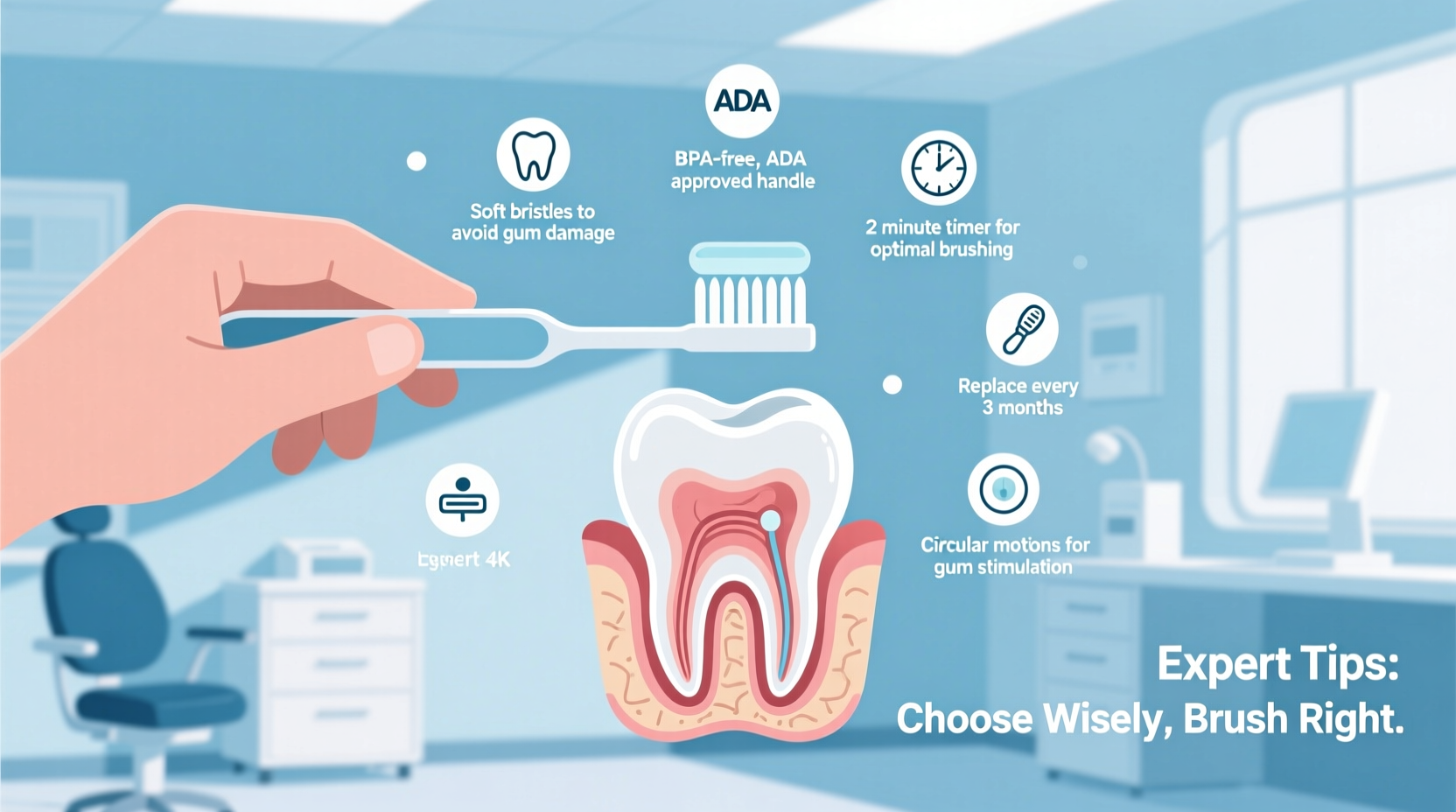
The gums act as a protective seal around the teeth, shielding sensitive roots and underlying bone from bacteria and temperature extremes. When compromised, they recede, bleed, or become infected. A poorly chosen toothbrush can accelerate these issues. Hard bristles, for example, may seem effective at scrubbing away stains but often do more harm than good by wearing down enamel and traumatizing delicate gum tissue. Conversely, a well-designed brush with appropriate bristle stiffness and head size reaches tight spaces without applying excessive pressure.
Gum-friendly brushing isn’t just about technique—it starts with selection. According to the American Dental Association (ADA), “Using a soft-bristled toothbrush is essential for individuals with sensitive gums or those prone to gum recession.” This recommendation stems from clinical evidence showing that soft bristles remove plaque just as effectively as medium or hard ones, but with significantly less risk of tissue damage.
Tip: Replace your toothbrush every three to four months—or sooner if the bristles fray—to maintain optimal cleaning efficiency and hygiene.Key Features of a Gum-Healthy Toothbrush
When selecting a toothbrush, focus on design elements that prioritize gum safety and accessibility. Consider the following features:
- Bristle Softness: Opt for soft or extra-soft bristles, especially if you have sensitive gums or use whitening products that increase sensitivity.
- Brush Head Size: A smaller head (about 1 inch long) allows better maneuverability, particularly in the back molars where gum disease often begins.
- Bristle Tip Design: Look for rounded or polished bristle tips, which are gentler on gums compared to cut-ended fibers.
- Handle Grip: Choose a handle that fits comfortably in your hand and provides control during brushing, reducing the likelihood of aggressive scrubbing.
- ADA Seal of Acceptance: This indicates the product has been independently evaluated for safety and effectiveness.
Manual vs. Electric: Which Is Better for Gums?
While both manual and electric toothbrushes can be effective, research consistently favors electric models for gum health. A 2020 Cochrane review found that electric toothbrushes reduce gingivitis by 11% after three months and plaque by 21% after one to three months compared to manual brushing.
Oscillating-rotating brushes, such as those from reputable brands with built-in pressure sensors, help prevent users from brushing too hard—a common cause of gum recession. Some models also include timers to ensure a full two-minute clean, promoting consistent coverage across all areas of the mouth.
“Patients who switched to a soft-bristled electric toothbrush with a pressure sensor showed measurable improvement in gum bleeding within six weeks.” — Dr. Lena Torres, Periodontist and Clinical Researcher
How to Evaluate and Test a Toothbrush Before Buying
Selecting the right toothbrush involves more than reading labels. Apply a practical evaluation before committing:
- Feel the Bristles: Gently press the bristles against your fingertip. If they feel stiff or prickly, they’re likely too harsh for your gums.
- Check the Head Shape: Angled or contoured heads often access premolars and molars more easily than straight-cut designs.
- Assess the Handle: Try mimicking a brushing motion. Does it allow a relaxed grip? Slender handles may suit children or those with small hands; thicker ones benefit users with arthritis.
- Review Packaging Details: Look for terms like “soft,” “gentle,” “gum care,” or “periodontal protection.” Avoid brushes labeled “deep clean” or “whitening power” unless they explicitly state soft bristles.
Real-Life Example: How Sarah Reversed Early Gum Recession
Sarah, a 34-year-old graphic designer, noticed her gums bleeding regularly and felt sensitivity near her front teeth. After a dental checkup, she was diagnosed with early-stage gingivitis and mild recession due to aggressive brushing with a medium-bristled manual toothbrush. Her dentist recommended switching to an electric model with ultra-soft bristles and a pressure-alert feature.
She chose a brush with a small, tapered head and began using it with a circular motion for two minutes, twice daily. Within eight weeks, her follow-up exam showed reduced inflammation and no further recession. “I didn’t realize I was brushing so hard,” she said. “The vibration alert made me aware of my habit instantly.”
Comparison Table: Manual vs. Electric Toothbrushes for Gum Health
| Feature | Manual Toothbrush | Electric Toothbrush |
|---|---|---|
| Bristle Pressure Control | Depends on user | Often includes pressure sensors |
| Plaque Removal Efficiency | Moderate (user-dependent) | High (consistent motion) |
| Gum Stimulation | Low to moderate | Improved with pulsation |
| Ease of Use for Limited Mobility | Challenging | Easier due to automated motion |
| Average Lifespan | 3–4 months | Brush head: 3–4 months; handle: 3–5 years |
Frequently Asked Questions
Can a toothbrush reverse gum disease?
No single tool can reverse established gum disease, but using a proper toothbrush as part of a comprehensive oral care routine—including flossing and professional cleanings—can halt progression and improve gum condition in early stages like gingivitis.
Are natural bristle toothbrushes safe for gums?
Generally not recommended. Natural bristles (often from animal hair) can harbor bacteria, are harder to sanitize, and tend to be stiffer than synthetic soft nylon. They may increase the risk of micro-abrasions on gums and enamel.
Should I use a tongue scraper with my toothbrush?
Yes. While most toothbrushes have a textured back for tongue cleaning, a dedicated scraper removes biofilm more effectively and reduces volatile sulfur compounds that contribute to bad breath and bacterial load near the gumline.
Action Checklist: Choosing Your Ideal Gum-Safe Toothbrush
- ✅ Confirm bristles are labeled \"soft\" or \"extra-soft\"
- ✅ Select a compact head for better reach
- ✅ Prefer rounded or polished bristle tips
- ✅ Look for ADA Seal of Acceptance
- ✅ Consider an electric model with a pressure sensor
- ✅ Test grip and balance in-hand before purchase
- ✅ Replace every 3–4 months or after illness
Conclusion: Make the Right Brush Work for You
Your toothbrush is more than a cleaning tool—it's a daily investment in your oral immunity and long-term dental function. By choosing a gum-conscious design, you're not just removing plaque; you're supporting tissue resilience, reducing inflammation, and preventing avoidable damage. Whether you prefer the simplicity of a manual brush or the advanced features of an electric one, prioritize gentleness, fit, and consistency. Small changes in your brushing tools can yield significant improvements in gum strength and overall health. Start today: examine your current toothbrush, compare it to the guidelines above, and make the switch if needed. Your gums will thank you for years to come.
💬 Have a favorite gum-friendly toothbrush? Share your experience or ask questions in the comments below—let’s help others build healthier smiles together!








