
Occasional burping is normal—your body’s way of releasing excess air from the stomach. But if you’ve been burping more than usual, it can be uncomfortable, socially awkward, or even a sign of an underlying issue. Frequent or excessive burping often stems from habits, diet, or digestive conditions that are manageable once identified. Understanding the root causes and knowing how to respond makes all the difference in finding lasting relief.
Common Causes of Excessive Burping
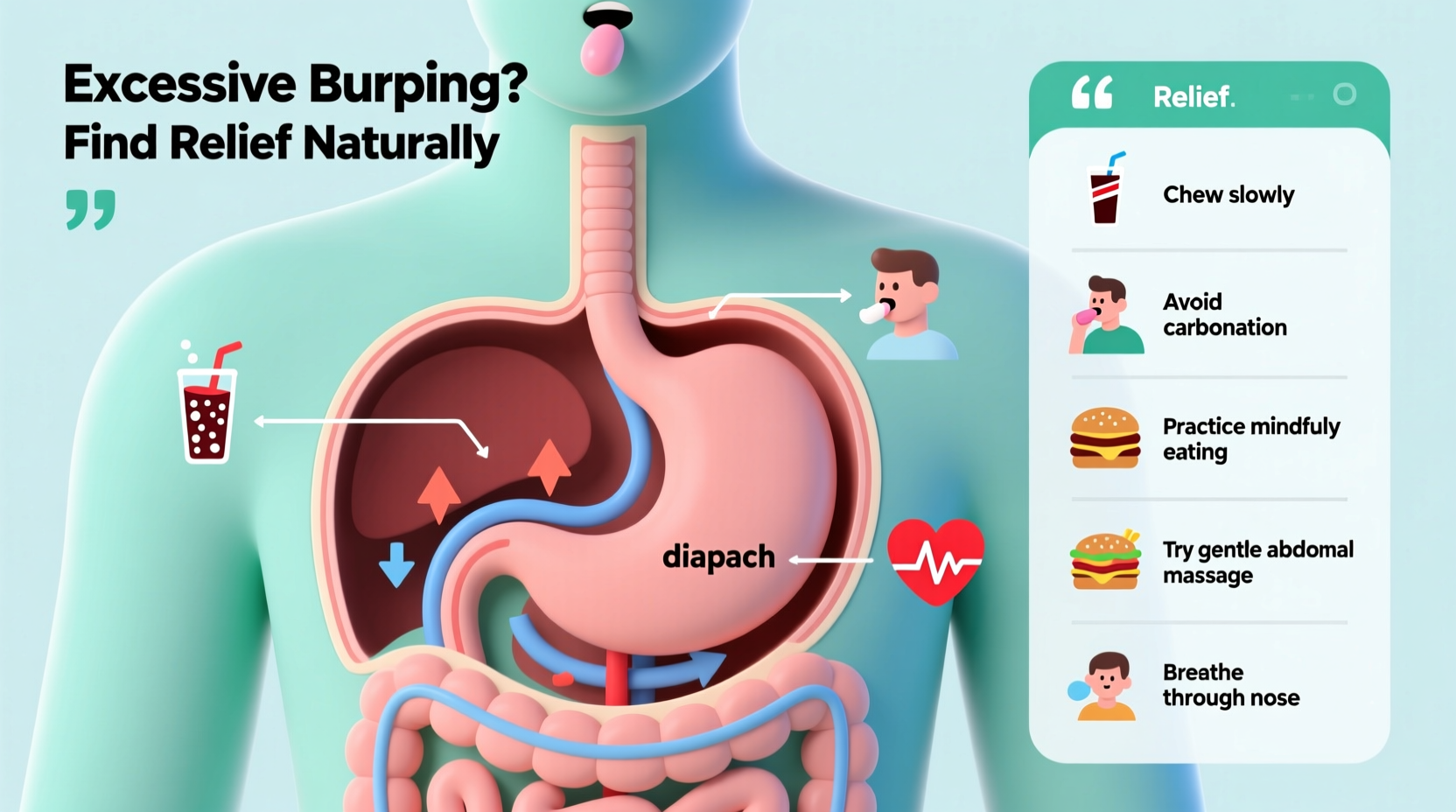
Most burping results from swallowed air (aerophagia) or gas produced during digestion. While passing gas is part of healthy digestion, persistent burping may point to specific triggers:
- Eating or drinking too quickly: Rapid eating leads to swallowing more air, which accumulates in the stomach and exits as burps.
- Carbonated beverages: Sodas, sparkling water, and beer release carbon dioxide in the gut, increasing gas volume.
- Chewing gum or sucking on hard candies: These habits encourage continuous swallowing of air.
- Smoking or using straws: Both introduce extra air into the digestive tract.
- Foods that produce gas: Beans, cruciferous vegetables (like broccoli and cabbage), onions, and dairy (for lactose-intolerant individuals) can increase internal gas production.
- Gastroesophageal reflux disease (GERD): Acid reflux can cause frequent belching as the body tries to clear air and pressure from the esophagus.
- Small intestinal bacterial overgrowth (SIBO): An abnormal increase in gut bacteria can ferment food prematurely, generating excess gas.
- Lactose intolerance or fructose malabsorption: Inability to digest certain sugars leads to bloating and burping.
- Hiatal hernia: A condition where part of the stomach pushes into the chest, disrupting normal digestion and increasing belching.
When to Be Concerned: Red Flags
While most cases of excessive burping are benign and lifestyle-related, some symptoms warrant medical evaluation. Persistent burping combined with any of the following could indicate a more serious condition:
- Unintentional weight loss
- Severe abdominal pain or bloating
- Frequent heartburn or regurgitation
- Nausea or vomiting
- Difficulty swallowing
- Bloody stools or black stools
“Frequent belching without dietary explanation should prompt further investigation—it might reflect GERD, gastroparesis, or functional dyspepsia.” — Dr. Alan Kim, Gastroenterologist, Johns Hopkins Medicine
Step-by-Step Guide to Reduce Excessive Burping
Relief often begins with small but consistent changes. Follow this timeline to systematically address the issue:
- Day 1–3: Track your habits
Record everything you eat, drink, and do throughout the day. Note each episode of burping and its context (e.g., after meals, while stressed). - Day 4–7: Eliminate major triggers
Stop carbonated drinks, chewing gum, and using straws. Eat slowly and chew thoroughly. Avoid talking while eating. - Week 2: Adjust meal composition
Reduce intake of gas-producing foods. Try eliminating dairy or beans temporarily to test sensitivity. - Week 3: Improve posture and timing
Sit upright during and after meals. Wait at least two hours before lying down to prevent reflux-related burping. - Week 4: Evaluate progress
If burping has improved, reintroduce one eliminated food at a time to pinpoint triggers. If no improvement, consult a healthcare provider.
Do’s and Don’ts Table
| Do’s | Don’ts |
|---|---|
| Eat slowly and chew food thoroughly | Rush meals or eat on the go |
| Drink still water instead of soda | Consume carbonated beverages daily |
| Use a spoon instead of a straw | Use straws regularly |
| Stay upright for 2–3 hours after eating | Lie down immediately after meals |
| Manage stress through breathing or mindfulness | Ignore chronic stress or anxiety |
| Keep a symptom diary | Assume all burping is “normal” |
Real-Life Example: Maria’s Experience
Maria, a 34-year-old teacher, noticed she was burping constantly—sometimes every few minutes—especially after lunch. Embarrassed during staff meetings, she started avoiding group meals. She began tracking her habits and realized she drank three cans of sparkling water daily and ate quickly between classes. After switching to plain water and taking 15 minutes to eat lunch mindfully, her burping decreased by 80% within ten days. A follow-up elimination of chewing gum completely resolved the issue. Her case highlights how simple behavioral changes can yield dramatic improvements.
Home Remedies and Natural Relief Options
Certain natural approaches can soothe digestion and reduce gas buildup:
- Ginger tea: Helps relax the digestive tract and move gas along.
- Peppermint tea: May reduce bloating and spasms in the gut (avoid if you have GERD).
- Apple cider vinegar (diluted): Some report improved digestion with a teaspoon in water before meals, though evidence is anecdotal.
- Simethicone-based antacids: Products like Gas-X help break up gas bubbles, making them easier to pass.
- Probiotics: Strains like *Lactobacillus* and *Bifidobacterium* may balance gut flora, especially if SIBO or antibiotic use is a factor.
FAQ: Frequently Asked Questions
Can anxiety cause excessive burping?
Yes. Anxiety often leads to shallow breathing and unconscious air swallowing (aerophagia), particularly during panic or stress episodes. This trapped air rises and results in frequent burping. Breathing exercises and stress management techniques can significantly reduce this pattern.
Is it possible to burp too much?
While there’s no defined “normal” number of burps per day, consistently burping more than 20 times after meals or throughout the day may signal a problem. If it interferes with daily life or is accompanied by other symptoms, it’s worth investigating further.
Why do I burp more at night?
Nighttime burping is often linked to late meals, lying down too soon after eating, or undiagnosed GERD. Gravity helps keep stomach contents down during the day, but reclining allows gas—and acid—to rise more easily, triggering burps and sometimes heartburn.
Checklist: Actions to Take Today
- ✔ Eliminate carbonated drinks for at least 3 days
- ✔ Eat meals without distractions (no phone, TV, or multitasking)
- ✔ Chew each bite 20–30 times
- ✔ Stop chewing gum and using straws
- ✔ Sit upright during and after meals
- ✔ Start a food and symptom log
- ✔ Try ginger or peppermint tea after dinner
- ✔ Schedule a doctor’s visit if symptoms persist beyond two weeks
Conclusion: Take Control of Your Digestive Comfort
Excessive burping is rarely dangerous, but it shouldn’t be ignored when it disrupts your comfort or confidence. Most causes are modifiable with mindful eating, better habits, and targeted adjustments. The key is observation—pay attention to what you eat, how you eat, and how your body responds. Small changes today can lead to significant relief tomorrow. If self-management doesn’t help, don’t hesitate to seek professional guidance. Your digestive health matters, and you deserve to feel at ease—both physically and socially.
💬 Have you found a solution that worked for your excessive burping? Share your experience in the comments to help others discover what works.








