Anxiety affects millions worldwide, prompting a growing interest in natural remedies. Among them, essential oils have gained widespread popularity as a tool for calming the mind and reducing stress. Sold in diffusers, roll-ons, and sprays, these concentrated plant extracts are often marketed as safe, natural solutions. But behind the soothing scents lies a critical question: Do essential oils genuinely reduce anxiety, or is their benefit primarily psychological—a powerful placebo effect?
The answer isn’t straightforward. While many report feeling calmer after using lavender or bergamot, scientific research offers mixed results. Understanding the true impact of essential oils on anxiety requires examining clinical evidence, biological mechanisms, user experiences, and the role of belief in healing.
The Science Behind Aromatherapy and Anxiety
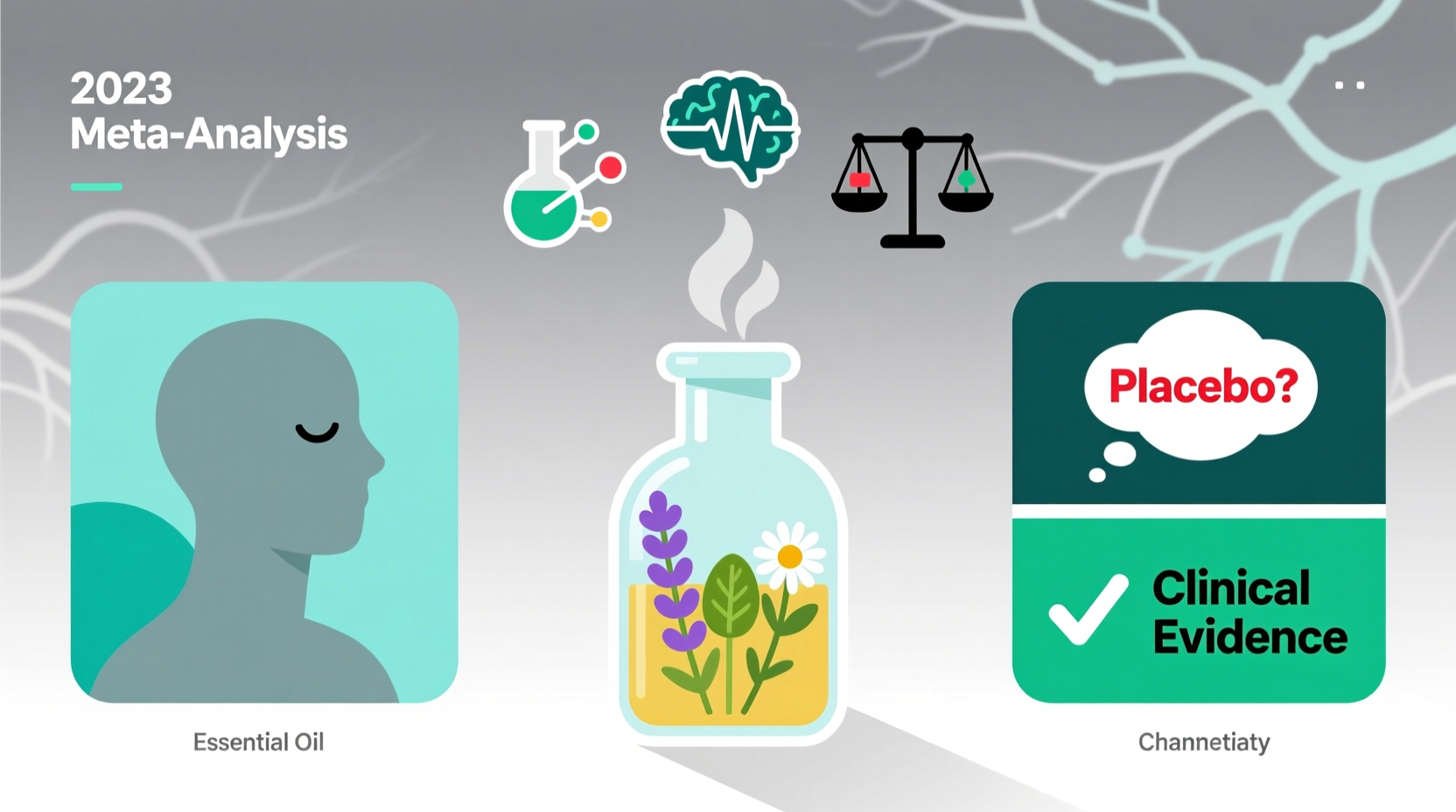
Aromatherapy—the practice of using essential oils for therapeutic benefit—relies on the olfactory system, which connects directly to the brain’s limbic system. This region governs emotions, memory, and stress responses. When you inhale an essential oil, scent molecules travel through the nose to the amygdala and hippocampus, areas involved in emotional regulation. This direct neural pathway suggests a plausible biological mechanism for mood modulation.
Several studies have explored this connection. One double-blind, randomized trial published in *Phytomedicine* found that participants who inhaled lavender oil (specifically Silexan, a standardized lavender oil capsule) experienced significant reductions in generalized anxiety disorder symptoms compared to placebo. Another study in *Complementary Therapies in Clinical Practice* showed that patients exposed to bergamot essential oil before dental procedures reported lower anxiety levels and reduced heart rates.
However, not all research supports these findings. A 2022 meta-analysis in *JAMA Network Open* reviewed 35 clinical trials on aromatherapy for anxiety and concluded that while some studies showed positive effects, the overall quality of evidence was low due to small sample sizes, inconsistent methodologies, and high risk of bias. The authors noted that the observed benefits could be partially or wholly attributed to placebo effects.
Placebo itself is not meaningless. The mind-body connection is powerful. Believing a treatment will help can trigger measurable physiological changes, such as lowered cortisol levels and reduced muscle tension. In that sense, even if essential oils work “just” via placebo, they may still offer real relief—especially when integrated into a broader self-care routine.
Tip: For best results, use essential oils consistently as part of a mindfulness or relaxation ritual—this strengthens the psychological association between scent and calm.Essential Oils with the Strongest Evidence for Anxiety Relief
Not all essential oils are created equal. Some have more scientific backing than others when it comes to anxiety reduction. Below are the most studied and commonly used oils:
- Lavender (Lavandula angustifolia): Perhaps the most researched oil for anxiety. Its active compounds, linalool and linalyl acetate, may interact with GABA receptors in the brain—similar to how anti-anxiety medications like benzodiazepines work, though much more mildly.
- Bergamot (Citrus bergamia): Extracted from the peel of a citrus fruit, bergamot has shown promise in reducing acute stress. Its uplifting yet calming aroma makes it popular in clinical settings like hospitals and dental offices.
- Frankincense (Boswellia spp.): Used traditionally in meditation and spiritual practices, frankincense has sedative properties. Preliminary animal studies suggest it may reduce anxious behaviors, though human trials are limited.
- Ylang-Ylang (Cananga odorata): Known for its sweet, floral scent, ylang-ylang has been linked to lowered blood pressure and cortisol levels in small human studies.
- Clary Sage (Salvia sclarea): Research indicates clary sage may help regulate cortisol and improve mood, particularly in women experiencing hormonal fluctuations.
“While essential oils aren’t a substitute for clinical treatment, they can serve as valuable adjuncts in managing mild anxiety. The sensory experience alone can anchor someone in the present moment.” — Dr. Rebecca Nguyen, Integrative Psychiatry Specialist
How to Use Essential Oils Effectively and Safely
Using essential oils safely is as important as choosing the right ones. Because they are highly concentrated, improper use can lead to skin irritation, allergic reactions, or respiratory issues. Here’s a step-by-step guide to maximize benefits while minimizing risks:
- Dilute properly: Always dilute essential oils in a carrier oil (like jojoba, coconut, or almond oil) before applying to skin. A typical dilution is 2–3%—about 12 drops per ounce of carrier oil.
- Use a diffuser: Add 5–10 drops to a water-based diffuser for ambient inhalation. Limit sessions to 30–60 minutes to avoid overexposure.
- Perform a patch test: Apply a small amount of diluted oil to your inner forearm and wait 24 hours to check for redness or irritation.
- Avoid ingestion: Most essential oils are not safe to ingest unless under the supervision of a qualified aromatherapist or healthcare provider.
- Store correctly: Keep oils in dark glass bottles away from heat and sunlight to preserve potency.
- Be cautious around pets: Many essential oils—especially tea tree, eucalyptus, and citrus—are toxic to cats and dogs.
Real-World Application: A Mini Case Study
Sarah, a 34-year-old project manager, began experiencing frequent panic attacks during her morning commute. Overwhelmed by deadlines and city traffic, she sought non-pharmaceutical ways to manage her anxiety. After reading about aromatherapy, she purchased a personal inhaler with a blend of lavender and bergamot.
Each morning, she took three slow breaths from the inhaler before starting her drive. Within two weeks, she noticed a shift: her chest felt less tight, and her thoughts were clearer. She didn’t eliminate anxiety entirely, but the intensity of her panic episodes decreased significantly.
Was it the oils—or her belief in them? Sarah couldn’t say for sure. But what mattered was the outcome. By integrating the inhaler into a consistent pre-commute ritual, she created a psychological cue for calm. Over time, the ritual itself became a stabilizing force, regardless of the biochemical contribution of the oils.
This case illustrates a key insight: effectiveness doesn’t depend solely on pharmacological action. Context, consistency, and expectation play vital roles in how we respond to any intervention.
Essential Oils: Placebo or Power Tool? A Balanced Comparison
To better understand the debate, consider the following comparison of arguments for and against the efficacy of essential oils beyond placebo:
| Argument | Supporting Evidence | Limitations |
|---|---|---|
| Oils have measurable biological effects | Linalool in lavender has demonstrated GABA-modulating effects in animal models; bergamot reduces heart rate in clinical settings. | Most studies use concentrated forms or isolated compounds, not typical home diffuser use. |
| Users report symptom improvement | Surveys and anecdotal reports consistently show reduced anxiety and improved sleep. | Self-reporting is subjective and vulnerable to confirmation bias. |
| Effects may be largely placebo | Blind studies sometimes show no difference between real and sham oils when scent is masked. | Placebo effects are still physiologically real and can be therapeutically useful. |
| Risks are minimal when used properly | Low incidence of side effects compared to pharmaceuticals. | Potential for misuse, especially in undiluted form or around sensitive populations. |
The table underscores a nuanced reality: essential oils may not work like prescription medications, but they aren’t inert either. Their value often lies at the intersection of biology and psychology.
Frequently Asked Questions
Can essential oils replace anti-anxiety medication?
No. While some oils may help manage mild anxiety, they are not substitutes for prescribed treatments in cases of moderate to severe anxiety disorders. Always consult a healthcare provider before making changes to your treatment plan.
How quickly do essential oils work for anxiety?
Inhalation can produce effects within minutes due to rapid absorption through the olfactory system. However, lasting benefits typically require consistent use over days or weeks, especially when building a relaxation habit.
Are synthetic fragrances as effective as pure essential oils?
Generally, no. Synthetic fragrances lack the complex phytochemical profile of true essential oils and may even trigger headaches or sensitivities. For therapeutic intent, use 100% pure, third-party tested essential oils.
Checklist: Using Essential Oils for Anxiety—A Practical Guide
Follow this checklist to use essential oils safely and effectively:
- ✅ Choose high-quality, pure essential oils from reputable brands (look for GC/MS testing reports).
- ✅ Start with well-researched oils like lavender, bergamot, or frankincense.
- ✅ Use a diffuser or personal inhaler for inhalation—avoid open flames near oils.
- ✅ Dilute before topical application (never apply undiluted oils directly to skin).
- ✅ Incorporate oils into a daily routine—pair with breathing exercises or journaling.
- ✅ Monitor your response: keep a simple log of mood and anxiety levels for one week.
- ✅ Consult your doctor if you’re pregnant, nursing, epileptic, or on medication.
- ✅ Discontinue use if you experience dizziness, nausea, or skin irritation.
Conclusion: A Mindful Approach to Natural Anxiety Relief
The question of whether essential oils work for anxiety—or if it’s just placebo—misses a deeper truth: healing is rarely purely physical or purely psychological. The most effective wellness strategies often integrate both. Essential oils may not cure anxiety, but they can serve as accessible tools to support emotional regulation, especially when used intentionally.
For those seeking gentler alternatives or complementary approaches, essential oils offer a low-risk option worth exploring. The key is to approach them with realistic expectations—neither dismissing them as mere placebos nor overestimating their power. When combined with proven practices like mindfulness, exercise, and professional care, aromatherapy can become a meaningful part of a holistic anxiety management plan.
💬 Have you tried essential oils for anxiety? What worked—or didn’t work—for you? Share your experience in the comments and help others navigate this evolving field of natural wellness.