
Wounds require more than just coverage—they demand consistent care to heal efficiently and safely. A bandage is not a one-time application; it's part of an ongoing process that supports tissue repair, prevents infection, and minimizes scarring. However, improper cleaning or maintenance of your bandage set can delay healing, introduce bacteria, or irritate sensitive skin. Understanding how to manage this routine correctly is crucial whether you're tending to a minor cut, surgical incision, or chronic wound.
The Role of Bandages in the Healing Process
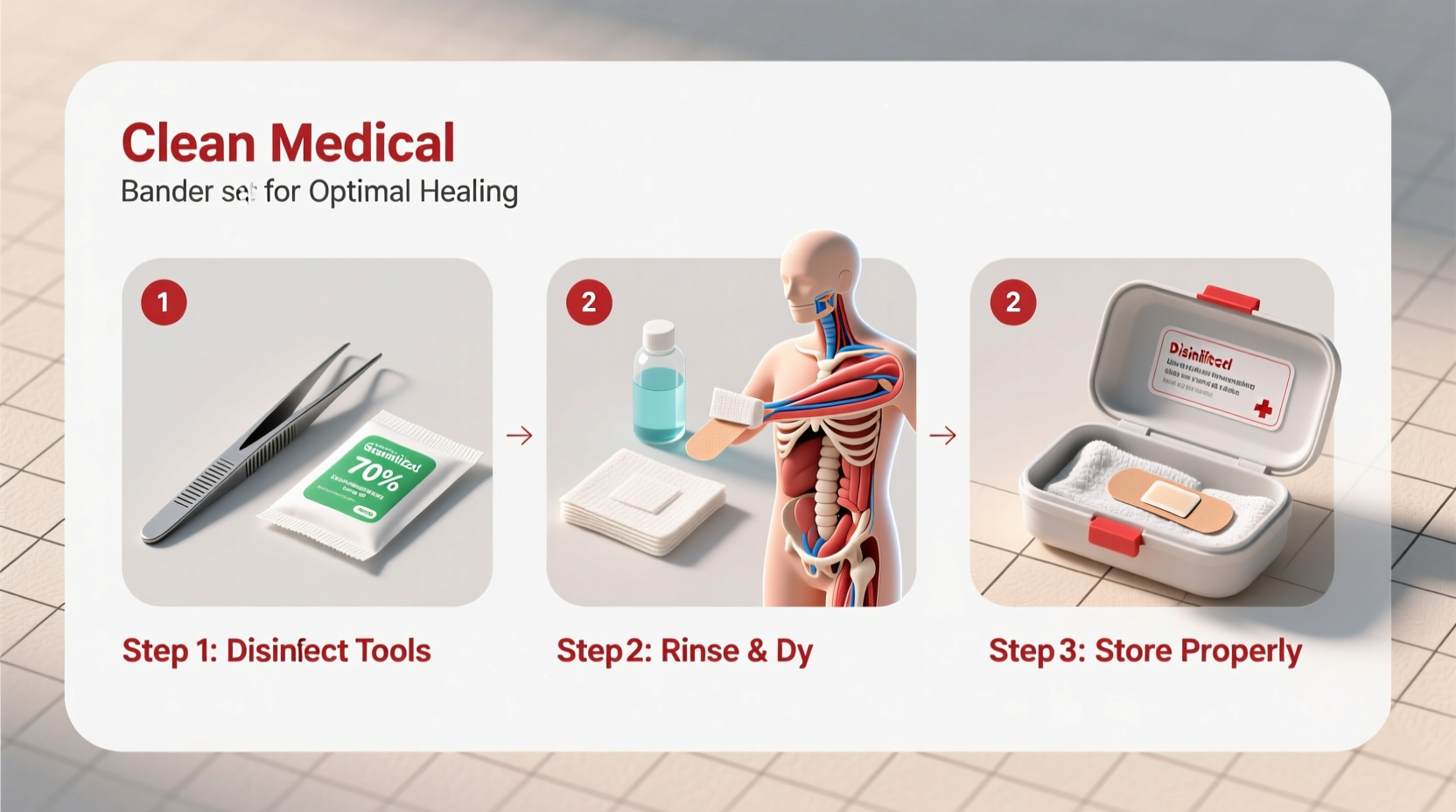
Bandages serve multiple purposes: they protect open wounds from dirt and bacteria, absorb exudate (fluid leakage), maintain a moist environment conducive to cell regeneration, and reduce movement that could disrupt new tissue formation. When applied and maintained properly, bandages accelerate healing by shielding the injury while allowing the body’s natural processes to function optimally.
Different types of wounds require different bandaging strategies. For instance, hydrocolloid dressings are ideal for shallow ulcers, while gauze pads work better for heavily exuding injuries. Regardless of type, all bandages lose effectiveness if not cleaned and replaced according to medical guidelines.
“Moist wound healing under a well-maintained dressing can reduce healing time by up to 50% compared to exposed or improperly covered wounds.” — Dr. Linda Harper, Wound Care Specialist, Cleveland Clinic
Step-by-Step Guide to Cleaning and Maintaining Your Bandage Set
Proper bandage maintenance involves preparation, safe removal, wound inspection, cleansing, re-dressing, and disposal. Follow this sequence carefully to ensure hygiene and promote optimal recovery.
- Wash Your Hands Thoroughly: Use soap and warm water for at least 20 seconds before touching any part of the wound or dressing. This prevents introducing pathogens.
- Gather Supplies: Have sterile gloves, saline solution or mild soap, clean gauze, cotton swabs, medical tape, and a new dressing ready.
- Remove the Old Dressing Gently: If the bandage sticks, moisten it with saline to loosen adhesion. Avoid pulling harshly, which can damage new tissue.
- Inspect the Wound: Look for signs of infection—increased redness, swelling, pus, foul odor, or worsening pain. Note any changes in size or color.
- Clean the Area: Rinse the wound with sterile saline or lukewarm water. Use a clean cloth or gauze to wipe gently from center outward. Do not use hydrogen peroxide or alcohol routinely—they can harm healing cells.
- Pat Dry Surrounding Skin: Use a sterile towel to dry the area around the wound. Moisture trapped under the new bandage encourages bacterial growth.
- Apply New Dressing: Place the appropriate sterile dressing over the wound without stretching skin. Secure with hypoallergenic tape or wrap as needed.
- Dispose of Used Materials Safely: Seal soiled bandages in a plastic bag before discarding to prevent contamination.
- Wash Hands Again: After completion, wash hands once more to eliminate any residual germs.
Do’s and Don’ts of Bandage Maintenance
| Do’s | Don’ts |
|---|---|
| Keep the wound moist but not soaked | Let the wound air out excessively—this dries tissues and slows healing |
| Use sterile tools and gloves when changing dressings | Touch the wound or inner dressing surface with bare fingers |
| Follow your doctor’s instructions on frequency and method | Ignore signs of infection like increasing pain or discharge |
| Store extra dressings in a clean, dry container | Reuse disposable bandages or gauze pads |
| Monitor healing progress weekly | Scratch, pick, or peel off scabs prematurely |
Common Mistakes That Delay Healing
Even with good intentions, many people unknowingly compromise their recovery. One frequent error is over-cleaning with antiseptics like iodine or alcohol, which can destroy fibroblasts—cells essential for tissue repair. Another issue is leaving a dressing on too long, especially if it becomes saturated. Wet bandages create a breeding ground for bacteria and macerate surrounding skin, weakening its protective barrier.
Some individuals remove bandages prematurely because the wound appears closed on the surface. However, deeper layers may still be vulnerable. Re-exposure at this stage increases the risk of reopening and scarring.
Tip: Never blow on a wound or test healing by touching it unnecessarily. Saliva contains bacteria, and friction can disrupt delicate tissue.Mini Case Study: Recovering from a Surgical Incision
Sarah, a 47-year-old patient recovering from abdominal surgery, was instructed to change her dressing twice daily using sterile technique. Initially, she skipped evening changes due to fatigue, leading to slight redness and discomfort by day five. After consulting her nurse, she resumed strict adherence to the regimen, began using saline instead of alcohol wipes, and noticed significant improvement within 48 hours. By day ten, her incision showed minimal inflammation and healthy granulation tissue. Her experience underscores the importance of consistency—even small lapses can impact outcomes.
Checklist: Daily Bandage Maintenance Routine
- ✅ Wash hands before and after handling the wound
- ✅ Check for signs of infection (redness, heat, pus, odor)
- ✅ Cleanse gently with sterile saline or mild soap
- ✅ Dry surrounding skin thoroughly
- ✅ Apply a fresh, sterile dressing
- ✅ Dispose of used materials hygienically
- ✅ Record observations (helpful for follow-up appointments)
Frequently Asked Questions
How often should I change my bandage?
For minor cuts and scrapes, change the bandage once daily. For surgical wounds or those with drainage, follow your healthcare provider’s advice—often twice a day or whenever the dressing becomes wet or soiled.
Can I shower with a bandage on?
Yes, but protect the wound with a waterproof cover or plastic wrap secured with tape. If the dressing gets wet, replace it immediately to prevent infection.
What if my skin reacts to the adhesive?
If you develop itching, rash, or blistering under the tape, switch to a hypoallergenic alternative such as paper tape or silicone-based dressings. Consult a clinician if irritation persists.
Supporting Long-Term Healing Beyond the Bandage
While proper dressing changes are vital, overall health plays a major role in recovery speed. Stay hydrated, eat a balanced diet rich in protein, vitamin C, and zinc, and avoid smoking—all of these influence tissue regeneration. Additionally, minimize strain on the injured area. Movement is important for circulation, but excessive tension on a healing wound can cause dehiscence (reopening).
For individuals managing chronic wounds—such as diabetic ulcers—professional monitoring is essential. These conditions require specialized dressings and regular assessments to prevent complications like cellulitis or sepsis.
“Patients who take ownership of their wound care, following structured routines, consistently see better outcomes than those relying solely on clinical visits.” — National Pressure Injury Advisory Panel (NPIAP) Clinical Guidelines
Conclusion
Healing begins with protection, but true recovery depends on disciplined maintenance. Every time you clean and reapply a bandage, you’re not just covering a wound—you’re actively participating in your body’s restoration. By following evidence-based practices, avoiding common errors, and staying alert to warning signs, you empower yourself to heal faster, safer, and with fewer complications.
💬 Have a tip or question about wound care? Share your experience below—your insight might help someone heal with confidence.








