Menstrual cramps affect millions of people worldwide, often disrupting daily routines, work, and personal well-being. While mild discomfort is common, severe or persistent pain isn’t something you have to endure silently. The good news is that several evidence-based strategies can offer rapid relief—sometimes within minutes. From targeted heat therapy to strategic movement and dietary adjustments, this guide explores practical, accessible methods to help you regain comfort quickly and effectively.
Understanding the Cause of Period Pain
Period pain, or dysmenorrhea, occurs when the uterus contracts to shed its lining. These contractions are triggered by hormone-like substances called prostaglandins. Higher levels of prostaglandins correlate with more intense cramping. Primary dysmenorrhea refers to common menstrual cramps without an underlying condition, while secondary dysmenorrhea may stem from endometriosis, fibroids, or other reproductive disorders.
Immediate relief focuses on reducing muscle tension, improving blood flow, and modulating pain signals. Unlike long-term treatments that may involve hormonal birth control, fast-acting techniques prioritize physical comfort and nervous system regulation.
Top 5 Immediate Relief Techniques
When cramps strike, timing matters. The sooner you act, the more effective these interventions tend to be.
1. Apply Heat Therapy
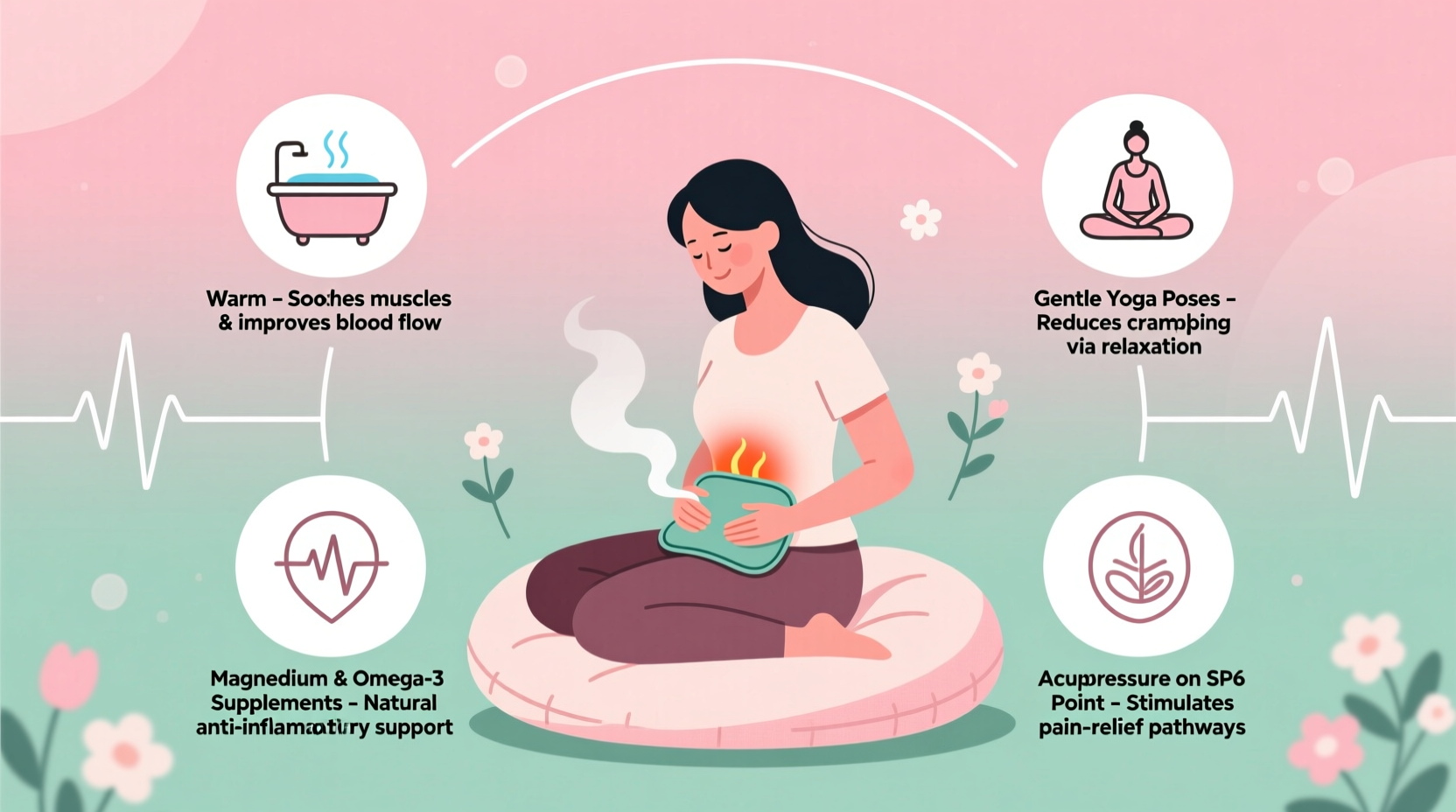
Heat increases blood flow to the pelvic area, relaxing uterine muscles and reducing contraction intensity. A 2022 study published in *Pain Management Nursing* found that abdominal heat packs were as effective as ibuprofen for short-term pain relief in many participants.
Tip: Use a microwavable heating pad or hot water bottle at 104–113°F (40–45°C) for 15–20 minutes. Wrap it in a thin towel to avoid skin irritation.2. Practice Targeted Stretching and Yoga
Gentle stretching helps release tension in the lower abdomen, hips, and back. Poses like Child’s Pose, Cat-Cow, and Reclining Twist activate the parasympathetic nervous system, which reduces stress-induced pain amplification.
“Yoga not only eases physical tension but also lowers cortisol, helping break the cycle of pain and anxiety.” — Dr. Lena Patel, Integrative Gynecologist
3. Stay Hydrated and Sip Herbal Teas
Dehydration can worsen bloating and cramping. Warm fluids, especially herbal teas like ginger, chamomile, or cinnamon, have anti-inflammatory properties. Ginger tea, in particular, has been shown in clinical trials to reduce menstrual pain comparably to mefenamic acid, a common NSAID.
4. Take Over-the-Counter Pain Relief Early
NSAIDs like ibuprofen or naproxen work best when taken at the first sign of cramps. They inhibit prostaglandin production, directly targeting the root cause of pain. Always follow dosage guidelines and avoid taking them on an empty stomach.
5. Try Acupressure or TENS Therapy
Acupressure at point SP6 (three finger-widths above the inner ankle) has demonstrated pain-reducing effects in multiple studies. Alternatively, a Transcutaneous Electrical Nerve Stimulation (TENS) device delivers low-voltage currents to block pain signals. Many users report noticeable relief within 20 minutes.
Step-by-Step Guide: What to Do When Cramps Hit
If you're currently experiencing pain, follow this timeline for optimal results:
- Minute 0–5: Stop what you’re doing. Sit or lie down comfortably. Breathe deeply through your nose into your diaphragm—this calms the nervous system.
- Minute 5–10: Apply a heating pad to your lower abdomen. If unavailable, use a warm bath or shower.
- Minute 10–15: Drink a cup of warm ginger or chamomile tea. Sip slowly to enhance relaxation.
- Minute 15–20: Perform three gentle yoga poses: Child’s Pose (2 minutes), Cat-Cow (1 minute), and Supine Twist (1 minute per side).
- Minute 20–30: Take an appropriate dose of ibuprofen (if medically safe) with water and a small snack.
- After 30 minutes: Reassess pain level. Repeat heat and breathing if needed. Avoid caffeine and cold foods, which may constrict blood vessels.
Dietary Adjustments That Help Reduce Pain
Certain foods can either exacerbate or alleviate inflammation and muscle contractions. Making quick dietary changes during your period can support faster recovery.
| Eat More | Avoid or Limit |
|---|---|
| Leafy greens (rich in magnesium) | Processed sugars (increase inflammation) |
| Fatty fish (omega-3 fatty acids) | Fried foods (promote prostaglandin production) |
| Bananas and avocados (high in potassium) | Caffeinated beverages (can increase cramping) |
| Whole grains (regulate blood sugar) | Alcohol (dehydrates and disrupts hormones) |
Mini Case Study: Finding Relief During Work Hours
Sophie, a 28-year-old project manager, used to dread her period due to debilitating cramps that made sitting through meetings unbearable. After researching non-pharmaceutical options, she implemented a workplace strategy: she kept a foldable heating pad in her desk drawer, switched her morning coffee for ginger tea, and took five-minute breaks every hour to stretch discreetly in a quiet room. Within two cycles, she reported a 70% reduction in pain severity and no longer needed to leave work early. Her key insight? “Small, consistent actions made all the difference—I didn’t need a miracle, just a plan.”
Checklist: Fast-Action Plan for Period Pain
- ✅ Apply heat to the lower abdomen
- ✅ Drink warm herbal tea (ginger, chamomile, or peppermint)
- ✅ Take NSAIDs at the first sign of pain (if approved by your doctor)
- ✅ Perform gentle stretches or yoga poses
- ✅ Practice deep breathing for 5–10 minutes
- ✅ Stay hydrated with room-temperature water
- ✅ Avoid caffeine, alcohol, and processed foods
- ✅ Use acupressure or a TENS device if available
Frequently Asked Questions
Can exercise make period cramps worse?
Intense workouts might temporarily increase discomfort, but light to moderate activity—like walking or yoga—typically reduces pain by boosting circulation and endorphin levels. Listen to your body: if movement increases pain, rest and try again later.
How soon before my period should I start prevention?
Starting 2–3 days before menstruation begins can be highly effective. Begin taking magnesium supplements (200–400 mg/day), reduce inflammatory foods, and incorporate daily stretching. Proactive care often lessens the severity of cramps when they arrive.
When should I see a doctor about period pain?
If over-the-counter methods don’t help, pain interferes with daily life, or you experience symptoms like heavy bleeding, nausea, or pain outside your period, consult a healthcare provider. Conditions like endometriosis or adenomyosis may require medical diagnosis and treatment.
Conclusion: Take Control of Your Comfort
Period pain doesn’t have to mean hours of suffering. With a combination of heat, movement, mindful nutrition, and timely medication, most people can find meaningful relief within 30 minutes. The key is knowing which tools work for your body and using them early. By building a personalized relief toolkit—whether it includes a favorite tea, a portable heating pad, or a go-to stretch routine—you empower yourself to navigate your cycle with greater ease and confidence.
💬 What’s your go-to method for fast period pain relief? Share your tips in the comments to help others feel better—fast.








