
For many men, premature ejaculation or the inability to delay climax can affect confidence, relationships, and sexual satisfaction. Yet lasting longer in bed isn’t just about endurance—it’s about deepening connection, improving communication, and cultivating presence with a partner. The most effective approaches combine physical control, psychological awareness, and emotional intimacy. With consistent practice and mutual effort, significant improvements are not only possible but sustainable.
Understanding the Physiology of Ejaculation
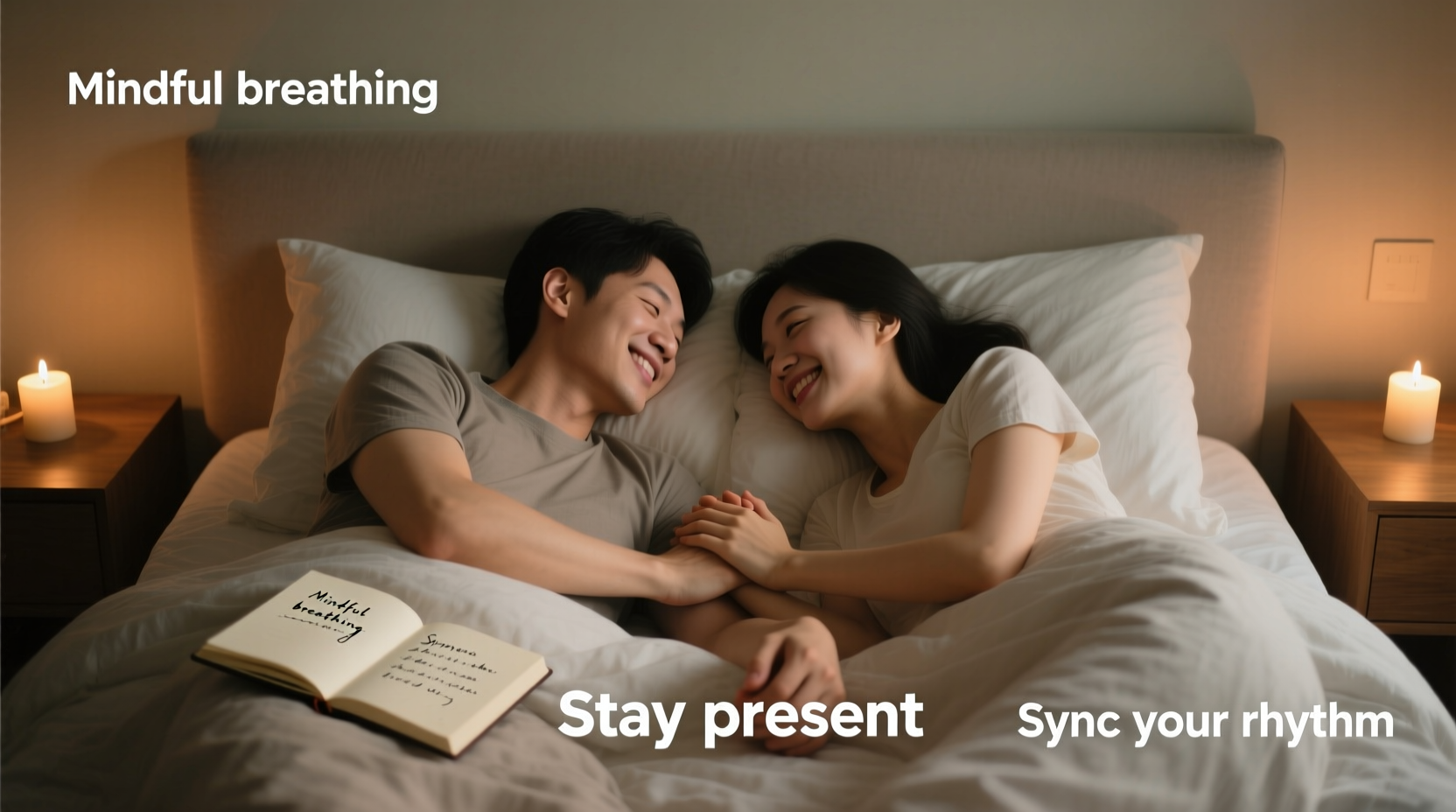
Ejaculation is a complex reflex involving the central nervous system, pelvic floor muscles, and hormonal signals. While arousal builds gradually, the point of no return—when ejaculation becomes inevitable—can arrive quickly due to heightened sensitivity, anxiety, or lack of conditioning. The key to lasting longer lies in recognizing early signs of arousal escalation and applying techniques to modulate response.
The average time from penetration to ejaculation varies widely across individuals and cultures, but studies suggest it ranges from 3 to 7 minutes. What matters more than duration is mutual satisfaction. Many couples report greater fulfillment when sex includes extended foreplay, emotional closeness, and shared rhythm rather than focusing solely on intercourse length.
Tip: Practice mindfulness during sex to stay present and recognize subtle shifts in arousal levels before reaching the point of no return.Proven Techniques to Delay Ejaculation
Several evidence-based methods help men gain better control over their ejaculatory response. These are not quick fixes but trainable skills that improve with repetition and patience.
The Start-Stop Method
Developed by Dr. James Semans and later refined by Masters and Johnson, this technique trains sensory awareness and inhibition. During solo or partnered stimulation, pause all movement as orgasm approaches. Wait until the urge subsides, then resume. Repeating this cycle conditions the body to tolerate higher arousal without climaxing.
- Stimulate the penis (manually or during intercourse) until nearing climax.
- Stop all movement for 10–30 seconds, focusing on breathing.
- Resume once excitement decreases.
- Repeat 3–5 times before allowing ejaculation.
The Squeeze Technique
A variation of the start-stop method, this involves compressing the base or tip of the penis when nearing climax. The pressure reduces blood flow slightly and dulls sensation, helping delay orgasm.
- Apply firm pressure just below the glans for 10–15 seconds.
- Release and wait 30 seconds before resuming stimulation.
- Use with partner involvement to strengthen trust and coordination.
Pelvic Floor Exercises (Kegels)
Strong pelvic floor muscles support ejaculatory control. These muscles, which stop urine flow midstream, can be strengthened through targeted contractions.
Tip: Perform Kegels daily—3 sets of 10 repetitions, holding each contraction for 5 seconds. Over time, integrate them into sexual activity to interrupt rising arousal.“Pelvic floor muscle training significantly improves ejaculatory control and sexual confidence in men with premature ejaculation.” — Dr. Andrew Siegel, Urologist and Men’s Health Author
Enhancing Intimacy Beyond Performance
Lasting longer is only one aspect of satisfying sex. True intimacy flourishes when partners move beyond performance anxiety and embrace emotional connection, exploration, and vulnerability.
Expand the Definition of Sex
Intercourse doesn’t have to be the centerpiece. Extended foreplay, oral sex, mutual masturbation, and sensual touch can create deep pleasure without pressure to perform. This shift reduces performance stress and allows both partners to enjoy arousal at a relaxed pace.
Communicate Openly
Honest conversations about desires, fears, and preferences build trust. Instead of hiding concerns about timing, discuss them with compassion. Partners often respond with empathy and may offer support through coaching, pacing, or alternative forms of pleasure.
| Do’s | Don’ts |
|---|---|
| Discuss expectations before sex | Avoid blaming or shaming language |
| Use positive feedback during intimacy | Don’t rush to penetration |
| Experiment together with new rhythms | Assume your partner’s satisfaction depends only on duration |
Create a Sensual Environment
Mood matters. Dim lighting, soft music, and minimal distractions help both partners relax. When the nervous system feels safe, arousal develops more steadily, reducing the likelihood of premature climax.
Real-Life Example: Building Confidence Through Practice
Mark, 34, began experiencing premature ejaculation after a period of high stress and infrequent sex. Embarrassed, he avoided intimacy and relied on distraction techniques during sex, which created distance with his partner. After reading about behavioral methods, he started practicing the start-stop technique alone for two weeks. He then introduced it with his partner, explaining the goal was mutual pleasure, not just lasting longer.
They began dedicating time to non-goal-oriented touch sessions—no penetration, just kissing, massage, and exploration. Over six weeks, Mark noticed increased control and reduced anxiety. His partner appreciated the renewed attention and openness. Their sex life improved not because intercourse lasted longer, but because they reconnected emotionally and rediscovered pleasure without pressure.
Step-by-Step Guide to Last Longer and Deepen Intimacy
Follow this 4-week plan to build lasting change:
- Week 1: Identify personal arousal triggers. Practice Kegels twice daily. Begin mindfulness exercises (5 minutes of focused breathing).
- Week 2: Apply the start-stop method during solo masturbation. Pause 2–3 times before climax. Reflect on sensations without judgment.
- Week 3: Share your goals with your partner. Engage in sensate focus exercises—take turns touching without aiming for orgasm.
- Week 4: Incorporate start-stop or squeeze techniques during intercourse. Focus on syncing breath and maintaining eye contact.
After four weeks, reassess. Most men report noticeable improvement in control and confidence. Continue refining techniques based on what feels natural and enjoyable.
Frequently Asked Questions
Is lasting longer only about willpower?
No. While self-control plays a role, lasting longer is influenced by physiology, psychology, and relationship dynamics. Relying solely on willpower often leads to frustration. Combining behavioral techniques with emotional openness yields better results.
Can anxiety really cause early ejaculation?
Yes. Performance anxiety activates the sympathetic nervous system, accelerating arousal and lowering the threshold for ejaculation. Addressing underlying stress through relaxation, therapy, or communication can make a significant difference.
Are numbing sprays or condoms effective?
Topical anesthetics can reduce penile sensitivity and delay climax, but they may also diminish pleasure for both partners. Use sparingly and test first. Some thicker or desensitizing condoms offer mild benefits without chemicals. They’re best used as temporary aids while learning long-term behavioral strategies.
Conclusion: Redefine Success in the Bedroom
True sexual fulfillment isn’t measured in minutes but in connection, presence, and mutual enjoyment. Lasting longer in bed is achievable through disciplined practice, open communication, and a willingness to redefine intimacy beyond performance. By integrating physical techniques with emotional honesty, couples can transform anxiety into deeper bonding and rediscover pleasure in the journey, not just the destination.
💬 Ready to deepen your intimate connection? Start today by sharing one thing you’d like to explore with your partner. Small steps lead to lasting change.








