
Brittle, peeling, or easily broken nails are more than a cosmetic concern—they can signal underlying nutritional deficiencies, improper nail care, or environmental damage. While quick fixes like gel overlays may offer temporary reinforcement, long-term nail strength comes from consistent internal and external care. Strengthening nails naturally involves a holistic approach that combines proper nutrition, hydration, protective habits, and mindful maintenance. This guide outlines practical, evidence-based strategies to help you build resilient, healthy nails without relying on harsh chemicals or artificial enhancements.
Nutrition: The Foundation of Strong Nails
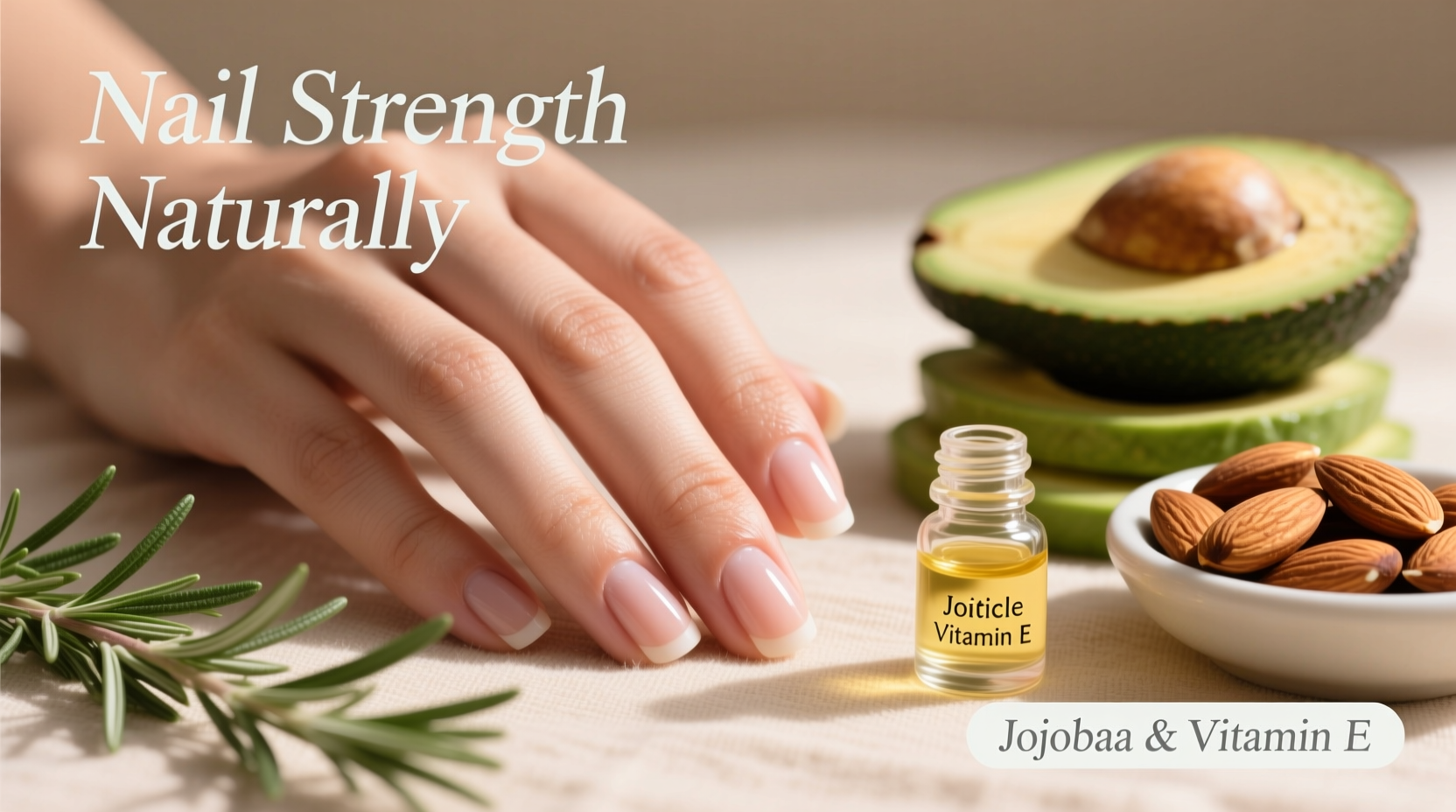
Your nails are made primarily of keratin, a protein also found in hair and skin. Their health reflects your overall nutritional status. Deficiencies in certain vitamins and minerals directly impact nail integrity, leading to softness, ridges, splitting, or slow growth.
Key nutrients for strong nails include:
- Biotin (Vitamin B7): Studies show biotin supplementation improves nail thickness and reduces splitting. Found in eggs, nuts, seeds, and sweet potatoes.
- Keratin-building proteins: Amino acids from lean meats, fish, legumes, and dairy support keratin production.
- Vitamin C: Essential for collagen synthesis, which strengthens the nail bed. Citrus fruits, bell peppers, and broccoli are excellent sources.
- Zinc: Supports tissue repair and cell growth. Oysters, pumpkin seeds, and chickpeas are rich in zinc.
- Iron: Iron deficiency often presents as brittle or spoon-shaped nails (koilonychia). Include leafy greens, red meat, and fortified grains.
- Omega-3 Fatty Acids: Help maintain moisture and reduce inflammation. Found in fatty fish, flaxseeds, and walnuts.
“Nail changes are often the first visible sign of nutrient imbalances. Addressing diet is the most sustainable way to improve nail resilience.” — Dr. Lena Patel, Dermatological Nutritionist
Daily Care Habits That Prevent Breakage
Even with optimal nutrition, poor nail habits can undermine progress. Everyday exposure to water, cleaning agents, and mechanical stress weakens the nail plate over time.
Adopt these protective practices:
- Limit water exposure: Prolonged soaking softens nails, making them prone to bending and peeling. Wear gloves when washing dishes or cleaning.
- Avoid harsh chemicals: Nail polish removers with acetone strip natural oils. Opt for acetone-free versions or use sparingly.
- Keep nails trimmed and filed: Long nails catch on fabrics and increase leverage during daily tasks. File in one direction with a fine-grit file to prevent micro-tears.
- Maintain moisture: Apply a nourishing cuticle oil (containing jojoba, almond, or argan oil) twice daily to hydrate the nail matrix.
- Don’t use nails as tools: Resist the urge to open packages, scratch surfaces, or peel stickers—use a tool instead.
Do’s and Don’ts of Nail Maintenance
| Do | Don’t |
|---|---|
| Wear cotton-lined rubber gloves for wet work | Soak hands in hot water for extended periods |
| Apply moisturizer after handwashing | Peel off nail polish |
| Use a base coat with strengthening ingredients | File nails back and forth like sawing |
| Cut nails straight across, then round slightly at corners | Bite or pick at cuticles |
Step-by-Step: Building a 4-Week Nail Strengthening Routine
Consistency is key. Follow this progressive plan to see measurable improvement in nail strength and growth within a month.
- Week 1: Assess & Adjust
Take photos of your nails. Note peeling, ridges, or softness. Begin taking a biotin supplement (2.5 mg/day) and increase protein intake. Start wearing gloves during chores. - Week 2: Hydrate & Protect
Apply cuticle oil morning and night. Switch to an acetone-free polish remover. Trim nails short and file gently. Avoid gel manicures temporarily. - Week 3: Reinforce Structure
Use a strengthening base coat (with calcium, keratin, or hydrolyzed wheat protein). Continue dietary focus. Massage nails for 1 minute daily to stimulate blood flow. - Week 4: Evaluate & Maintain
Compare current nails to Week 1 photos. Look for reduced splitting, smoother texture, and faster growth. If progress stalls, consider a blood test for iron or thyroid function.
Real Example: How Sarah Transformed Her Nails in 8 Weeks
Sarah, a 34-year-old nurse, struggled with thin, peeling nails due to constant handwashing and glove use. Despite trying multiple “hardening” polishes, her nails would split at the slightest pressure.
She adopted a natural approach: she began taking biotin, applied jojoba oil nightly, wore gloves under her work gloves to reduce friction, and started eating a daily handful of almonds and two boiled eggs. She avoided nail polish for six weeks and filed her nails every few days to prevent snags.
By week eight, her nails were noticeably thicker and grew nearly 3 mm longer without breaking. Her nail beds appeared healthier, with a stronger half-moon (lunula). Bloodwork later confirmed mild biotin and iron insufficiency—both corrected through diet and supplements.
Frequently Asked Questions
Can I strengthen my nails without supplements?
Yes. While supplements like biotin can accelerate results, many people achieve strong nails through diet alone. Focus on whole foods rich in protein, healthy fats, and essential vitamins. However, if breakage persists despite good habits, a short-term supplement may help identify deficiencies.
Why do my nails split vertically?
Vertical splitting is often due to dryness, aging, or repeated trauma (e.g., typing, tapping). It can also stem from dehydration or lack of essential fatty acids. Regular oil application and avoiding excessive filing can minimize this issue.
Is it safe to use home remedies like lemon juice or vinegar on nails?
No. While some suggest lemon juice for whitening, its acidity can erode the nail surface and cause brittleness. Vinegar soaks may disrupt the nail’s pH balance. Stick to gentle, non-acidic moisturizers and proven strengthening products.
Checklist: Your Natural Nail-Strengthening Action Plan
- ✔ Eat protein-rich meals daily (eggs, fish, beans)
- ✔ Take 2.5 mg biotin per day (consult doctor if pregnant)
- ✔ Apply cuticle oil morning and night
- ✔ Wear gloves when cleaning or doing dishes
- ✔ Use acetone-free nail polish remover
- ✔ File nails in one direction with a glass or crystal file
- ✔ Avoid using nails as tools
- ✔ Limit gel manicures and acrylics for 6–8 weeks
- ✔ Stay hydrated—drink at least 2 liters of water daily
- ✔ Reassess nail condition every 4 weeks
Conclusion
Strong, healthy nails don’t happen overnight—but they are achievable with patience and consistency. By aligning your diet, daily habits, and care routine with your body’s natural processes, you create the ideal conditions for resilient nail growth. Forget quick fixes that mask problems; true strength comes from addressing root causes like nutrition, hydration, and protection. Start implementing these strategies today, and within weeks, you’ll notice fewer breaks, less peeling, and greater confidence in your natural nails.
💬 Have a tip that worked for your nails? Share your experience in the comments and inspire others on their journey to stronger, healthier nails.








