
Sweating is a natural bodily function designed to regulate temperature, but excessive underarm wetness can disrupt daily life, affect clothing choices, and undermine self-confidence. Whether triggered by heat, stress, or an underlying condition like hyperhidrosis, persistent underarm moisture is more than just uncomfortable—it can be socially limiting. The good news is that effective solutions exist. From choosing the right products to adjusting lifestyle habits, a multi-pronged approach can significantly reduce sweat and help you feel dry, fresh, and self-assured from morning to night.
Understanding the Causes of Underarm Wetness
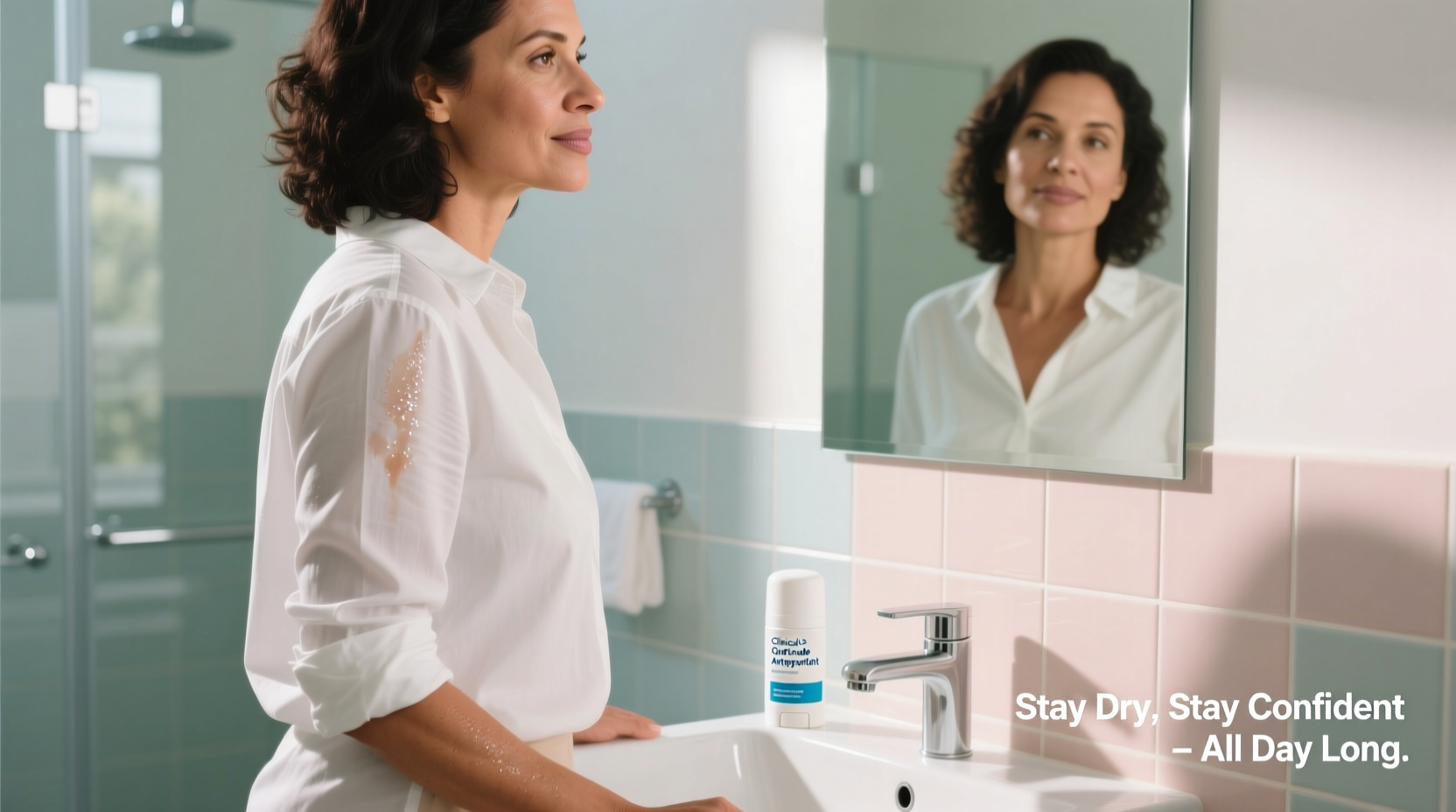
Underarm sweating occurs when eccrine and apocrine glands in the skin respond to stimuli such as high temperatures, emotional stress, hormonal fluctuations, or spicy foods. While occasional sweating is normal, chronic underarm wetness—especially when it soaks through clothing—may indicate hyperhidrosis, a condition affecting approximately 3% of the population. Primary focal hyperhidrosis typically targets specific areas like the hands, feet, and underarms without an obvious cause, while secondary hyperhidrosis results from medical conditions such as thyroid disorders, diabetes, or menopause.
Recognizing the root cause is essential for selecting the most effective treatment. For instance, someone who sweats primarily during stressful meetings may benefit from anxiety management techniques, whereas another person with constant dampness regardless of activity level might need clinical-strength antiperspirants or medical intervention.
“Many patients underestimate how much underarm sweating affects their confidence. Addressing both the physical and psychological aspects leads to better outcomes.” — Dr. Rebecca Langston, Dermatologist and Hyperhidrosis Specialist
Choose the Right Antiperspirant: Beyond Regular Deodorants
One of the most impactful steps in managing underarm wetness is using an effective antiperspirant—not just a deodorant. While deodorants mask odor, antiperspirants actively reduce sweat by forming temporary plugs in sweat ducts using aluminum-based compounds like aluminum chloride or aluminum zirconium.
For mild to moderate sweating, over-the-counter (OTC) clinical-strength antiperspirants such as Certain Dri or Degree Clinical Protection can make a noticeable difference. Apply at night when sweat glands are less active, allowing the active ingredients to penetrate more effectively. Rinse off in the morning to minimize irritation.
Tip: Avoid applying antiperspirant immediately after shaving to prevent stinging. Wait at least 1–2 hours.Prescription and Medical-Grade Options
If OTC products fail, dermatologists may recommend prescription-strength antiperspirants like Drysol (20% aluminum chloride hexahydrate). These require careful application to avoid skin irritation and are often used several times per week rather than nightly. In cases of severe hyperhidrosis, alternative treatments such as iontophoresis, Botox injections, or oral medications may be considered.
Lifestyle Adjustments That Reduce Sweat Naturally
Beyond topical treatments, everyday habits play a crucial role in minimizing underarm wetness. Simple changes in clothing, diet, and routine can complement your anti-sweat regimen.
Dress Smart: Fabric Matters
Clothing made from synthetic fibers like polyester traps heat and moisture, worsening sweat visibility and odor. Opt for breathable, moisture-wicking fabrics such as cotton, linen, merino wool, or performance blends designed for athletic wear. Light-colored or patterned shirts also help conceal sweat marks more effectively than dark solids.
Manage Stress and Triggers
Emotional stress activates the sympathetic nervous system, triggering sweat production even in cool environments. Incorporating mindfulness practices—such as deep breathing, meditation, or yoga—can lower baseline stress levels and reduce stress-induced sweating over time.
Dietary triggers like caffeine, alcohol, and spicy foods stimulate sweat glands. Reducing intake of these substances, especially before important events, may help maintain dryness.
“I noticed a dramatic improvement once I cut out afternoon lattes and started wearing cotton undershirts. It wasn’t one fix—it was the combination.” — Mark T., teacher and frequent presenter
Step-by-Step Guide to an Effective Anti-Sweat Routine
Consistency is key. Follow this nightly and morning routine to maximize protection:
- Evening: Shower and thoroughly dry underarms.
- Apply clinical-strength antiperspirant to clean, dry skin before bed.
- Avoid heavy creams or lotions on underarms post-application.
- Morning: Rinse underarms and apply a regular deodorant if desired for fragrance.
- Wear breathable clothing and consider using sweat-absorbing underarm liners.
- Carry a travel-sized antiperspirant or blotting wipes for touch-ups during long days.
Do’s and Don’ts: A Quick Reference Table
| Do’s | Don’ts |
|---|---|
| Use antiperspirants at night for better absorption | Apply antiperspirant on wet or irritated skin |
| Wear moisture-wicking undershirts | Wear tight synthetic fabrics for extended periods |
| Shower daily to reduce bacteria buildup | Scratch or pick at irritated underarm skin |
| Stay hydrated to regulate body temperature | Overuse scented products that may irritate skin |
| Consult a dermatologist if sweating interferes with life | Ignore signs of infection or severe irritation |
When to Seek Medical Help
Occasional sweating is normal, but seek professional advice if you experience any of the following:
- Sweating that soaks through clothing multiple times a week
- Night sweats without fever or illness
- Symmetrical sweating that disrupts work or social interactions
- Sudden onset of heavy sweating with no clear trigger
Dermatologists can diagnose hyperhidrosis and offer advanced treatments such as:
- Botox injections: Temporarily block nerve signals to sweat glands (results last 4–6 months).
- Iontophoresis: Uses low electrical currents in water to reduce sweat production.
- Oral medications: Anticholinergics like glycopyrrolate reduce overall sweating but may have side effects.
- Surgical options: Rarely used, such as sympathectomy, reserved for extreme cases.
FAQ
Can antiperspirants cause health problems?
No strong scientific evidence links aluminum-based antiperspirants to breast cancer or Alzheimer’s disease. Regulatory agencies like the FDA and American Cancer Society confirm their safety for general use. If concerned, consult your doctor or opt for aluminum-free deodorants—but note these do not reduce sweat.
Why does my antiperspirant stop working over time?
This may occur due to product buildup, inconsistent application, or increased sweat triggers. Try alternating brands, exfoliating underarms weekly, or switching to a higher-strength formula under medical guidance.
Are there natural ways to reduce underarm sweat?
Yes. Witch hazel, baking soda, and apple cider vinegar have mild astringent properties that may help, though they lack the efficacy of clinical antiperspirants. They can also irritate sensitive skin, so patch-test first.
Conclusion: Take Control and Stay Confident
Underarm wetness doesn’t have to dictate your comfort or confidence. With the right combination of effective antiperspirants, smart clothing choices, stress management, and consistent routines, staying dry all day is entirely achievable. For those with persistent challenges, modern medicine offers powerful solutions that can transform quality of life. Don’t dismiss excessive sweating as inevitable—address it proactively. Start tonight: reevaluate your current products, adjust your routine, and take the first step toward feeling fresh, composed, and self-assured every hour of the day.
🚀 Ready to conquer sweat for good? Share your go-to anti-sweat tip in the comments or pass this guide to someone who needs it!








