Hair loss affects millions worldwide, impacting confidence and self-image. While genetics and medical conditions play a role, many factors influencing hair health are within your control. Natural prevention strategies—rooted in nutrition, stress management, and scalp wellness—offer sustainable ways to slow or even reverse early hair thinning. Unlike harsh chemical treatments, these methods support overall well-being while nurturing stronger, fuller hair from the roots up.
Understanding the Root Causes of Hair Loss
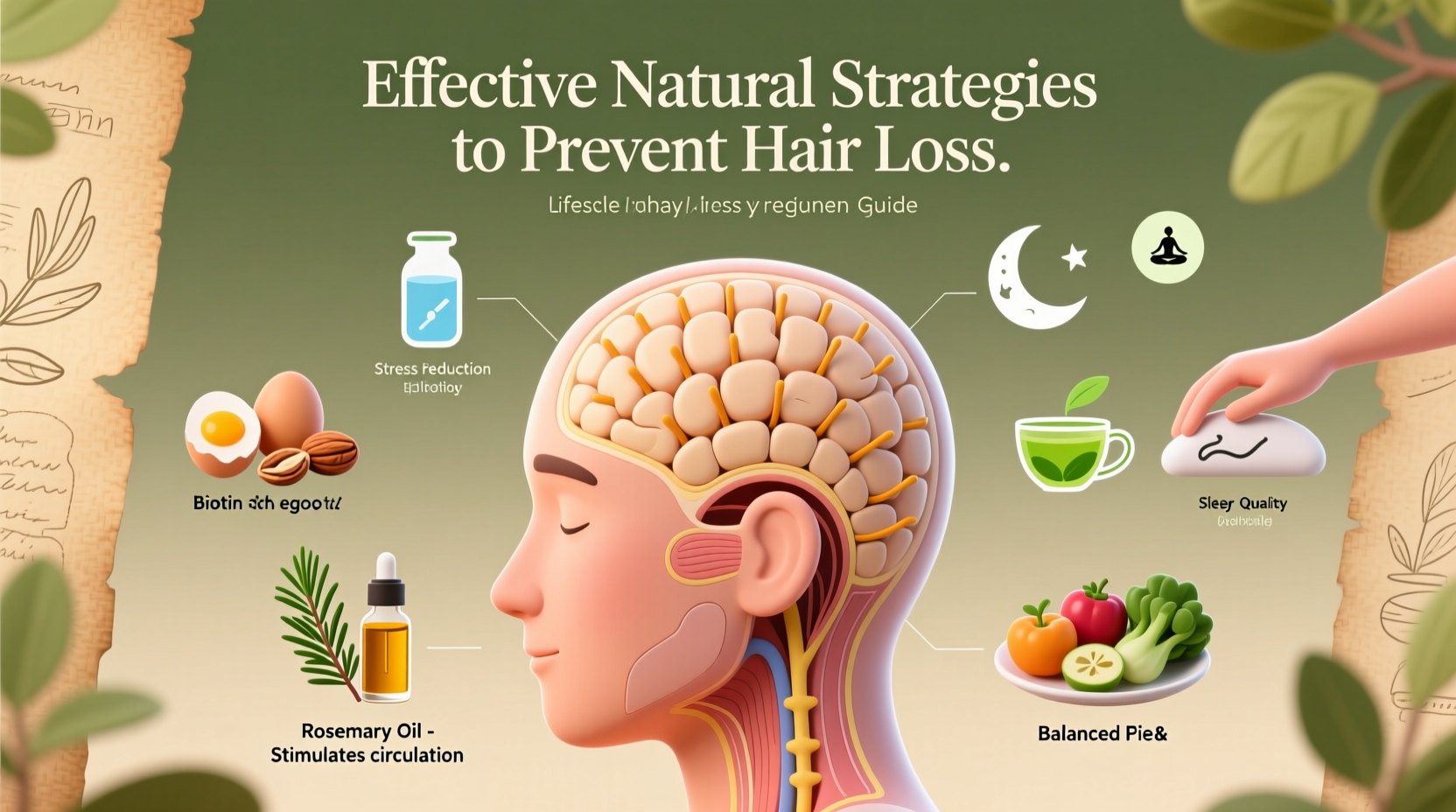
Hair loss isn't a single-issue condition. It stems from a combination of internal and external triggers. The most common form, androgenetic alopecia, is hereditary and affects both men and women gradually. However, other forms like telogen effluvium—often caused by stress, illness, or nutritional deficiencies—are temporary and reversible.
Key contributors include:
- Hormonal imbalances: Elevated dihydrotestosterone (DHT) shrinks hair follicles over time.
- Nutrient deficiencies: Lack of iron, zinc, vitamin D, and B vitamins weakens hair structure.
- Chronic stress: Triggers hormonal shifts that push hair into a resting phase prematurely.
- Poor scalp circulation: Limits oxygen and nutrient delivery to follicles.
- Harsh hair practices: Tight hairstyles, heat styling, and chemical treatments damage the hair shaft.
Addressing these underlying causes with natural interventions can halt progression and encourage regrowth.
Tip: Monitor changes in hair shedding after major life events—illness, surgery, or emotional stress—as they may trigger temporary loss.Nutrition: Fuel Your Follicles from Within
Your diet directly influences hair strength and growth cycles. Hair is primarily made of keratin, a protein that requires consistent amino acid supply. A balanced, nutrient-dense diet supports not only hair but also skin and nail health.
Foods to prioritize:
- Lean proteins: Eggs, chicken, fish, and legumes provide essential amino acids.
- Iron-rich foods: Spinach, lentils, and red meat help prevent anemia-related shedding.
- Omega-3 fatty acids: Found in salmon, chia seeds, and walnuts, they reduce scalp inflammation.
- Vitamin C sources: Citrus fruits, bell peppers, and broccoli enhance iron absorption and collagen production.
- Zinc and selenium: Pumpkin seeds, Brazil nuts, and whole grains regulate oil production and repair tissue.
“Optimal nutrition is the foundation of healthy hair. Deficiencies in just one key nutrient can disrupt the entire growth cycle.” — Dr. Lena Torres, Integrative Dermatologist
Dietary Checklist for Hair Health
Checklist:- Eat protein at every meal
- Consume leafy greens 4–5 times per week
- Include omega-3s daily (flaxseeds, fish, or algae oil)
- Limit processed sugars and refined carbs
- Stay hydrated—drink at least 2 liters of water daily
Scalp Care and Natural Topical Treatments
A clean, stimulated scalp creates an ideal environment for hair growth. Many commercial shampoos contain sulfates and silicones that build up and clog follicles. Switching to gentle, natural alternatives can improve scalp health significantly.
Effective natural treatments include:
- Scalp massage: Just 5 minutes daily increases blood flow and reduces stress hormones.
- Coffee rinse: Caffeine blocks DHT and stimulates follicles. Brew strong coffee, cool it, and pour over hair post-shampoo.
- Aloe vera: Soothes inflammation and balances scalp pH. Apply pure gel directly 2–3 times weekly.
- Essential oils: Rosemary and peppermint oils have been shown in studies to be as effective as minoxidil for some users when diluted and massaged in.
| Treatment | How to Use | Frequency |
|---|---|---|
| Rosemary oil (diluted) | Mix 5 drops with 1 tbsp carrier oil (jojoba or coconut) | 3 times/week |
| Aloe vera gel | Apply directly to scalp, leave for 30 mins | 2–3 times/week |
| Coffee rinse | Pour cooled brew over scalp, massage, rinse after 20 mins | Twice/week |
| Scalp massage | Use fingertips in circular motions for 5 mins | Daily |
Lifestyle Adjustments That Make a Difference
Your daily habits shape your long-term hair health. Chronic stress, poor sleep, and environmental toxins contribute more than many realize.
Key adjustments:
- Manage stress: Cortisol disrupts the hair cycle. Practices like yoga, meditation, and deep breathing lower levels naturally.
- Sleep consistently: Aim for 7–8 hours nightly. Growth hormone release during deep sleep supports tissue repair.
- Avoid tight hairstyles: Ponytails, braids, and buns pull on follicles, leading to traction alopecia over time.
- Limit heat and chemicals: Reduce flat iron, curler, and dye use. Opt for air drying and natural dyes like henna when possible.
Step-by-Step Evening Routine for Hair Support
- Perform a 5-minute scalp massage with jojoba oil before bed.
- Practice 10 minutes of mindfulness or journaling to reduce mental stress.
- Sleep on a silk pillowcase to minimize friction and breakage.
- Keep hair loose—avoid tying it up overnight.
Real-Life Example: Reversing Early Thinning Naturally
Sarah, a 34-year-old teacher, noticed increased shedding after a high-stress semester and postpartum period. She avoided medication due to breastfeeding concerns and instead adopted a holistic approach. She began eating iron-rich meals, added pumpkin seeds and eggs daily, and started a nightly scalp massage with rosemary oil. She also committed to 7 hours of sleep and 10 minutes of meditation each morning.
Within four months, her shedding decreased significantly. A follow-up blood test showed improved ferritin (iron storage) levels, and she reported thicker, shinier hair. While genetics still play a role, Sarah’s case illustrates how targeted natural strategies can interrupt the progression of hair loss.
Frequently Asked Questions
Can I stop hair loss without medication?
Yes, especially if the cause is nutritional, hormonal imbalance, or stress-related. Natural methods work best in early stages and when applied consistently over months. Severe genetic balding may require medical intervention, but natural approaches can complement treatment.
How long does it take to see results from natural remedies?
Most people notice reduced shedding within 8–12 weeks. Visible regrowth often takes 4–6 months, as the hair growth cycle is slow. Patience and consistency are crucial.
Is it normal to lose 100 hairs a day?
Yes, losing 50–100 hairs daily is part of the natural shedding cycle. Concern arises when new hairs don’t replace lost ones, or when clumps appear in the shower or brush.
Final Thoughts and Call to Action
Natural hair loss prevention isn’t about quick fixes—it’s about building sustainable habits that nourish your body and mind. By focusing on whole foods, reducing stress, caring for your scalp, and avoiding damaging practices, you create the internal and external conditions for healthier hair growth. These strategies don’t just benefit your hair; they elevate your overall vitality.
🚀 Start today: Pick one change—add spinach to your breakfast, try a scalp massage, or swap shampoo—and commit to it for 30 days. Small steps lead to lasting transformation. Share your journey or questions below—we’re all growing together.








