
A strong immune system is your body’s first line of defense against infections, viruses, and chronic illness. Central to this defense are white blood cells (WBCs), also known as leukocytes—specialized cells that detect, attack, and eliminate pathogens. When WBC levels dip below normal, you may experience frequent colds, slow healing, or persistent fatigue. While medical conditions can affect WBC production, lifestyle and nutrition play a powerful role in supporting healthy levels. The good news? You can naturally enhance your body’s ability to produce these vital defenders through sustainable, evidence-based habits.
Nutrition: Fuel Your Immune System from Within
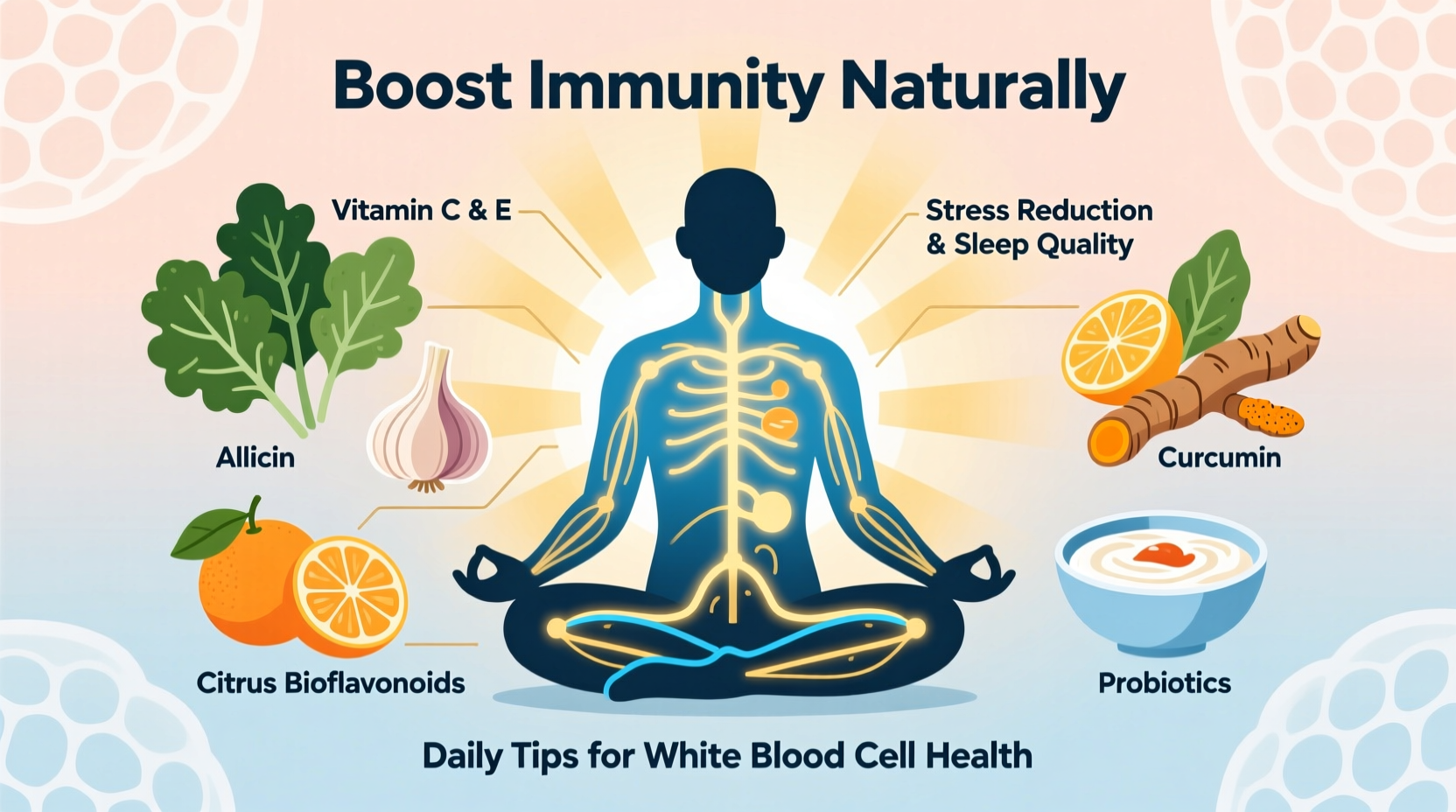
Diet is one of the most direct levers you can pull to influence white blood cell production. Certain nutrients act as building blocks for immune cells and regulate their activity. A deficiency in even one key nutrient can impair immune response.
Vitamin C remains one of the most well-researched immune-supportive nutrients. It stimulates the production of lymphocytes and phagocytes—types of white blood cells critical for fighting infection. Citrus fruits, bell peppers, broccoli, and strawberries are excellent sources. But don’t overlook vitamin E, a fat-soluble antioxidant that enhances immune function by protecting immune cells from oxidative damage. Nuts, seeds, and spinach are rich in this nutrient.
Zinc is another essential mineral directly involved in the development and function of neutrophils and natural killer (NK) cells. Oysters, pumpkin seeds, lentils, and chickpeas provide substantial amounts. Studies show that even mild zinc deficiency can reduce WBC activity and increase susceptibility to respiratory infections.
Tip: Pair vitamin C-rich foods with iron sources like spinach or beans—vitamin C enhances non-heme iron absorption, which supports oxygen transport needed for immune cell production.Don’t underestimate the power of protein. White blood cells are made from amino acids, so adequate daily intake is non-negotiable. Include lean meats, eggs, legumes, and Greek yogurt to ensure your body has the raw materials it needs.
Lifestyle Habits That Support Immune Cell Production
Beyond diet, your daily routines shape your immune resilience. Chronic stress, poor sleep, and sedentary behavior can suppress bone marrow function—the site where white blood cells are produced.
Sleep is when your body performs critical immune maintenance. During deep sleep, cytokines—proteins that target infection and inflammation—are released, and T-cell activity increases. Adults who consistently get less than 7 hours of sleep per night are nearly three times more likely to catch a cold, according to research from Carnegie Mellon University.
Physical activity also plays a dual role. Moderate exercise, such as brisk walking or cycling, improves circulation of immune cells and reduces inflammatory markers. However, excessive endurance training without recovery can temporarily lower WBC counts. Aim for 30 minutes of moderate movement most days of the week.
“Immune health isn't just about what you eat—it's about how you live. Consistent sleep, manageable stress, and regular movement create the internal environment where white blood cells thrive.” — Dr. Lena Torres, Immunology Researcher, Johns Hopkins Medicine
Step-by-Step Guide to Boosting WBC Naturally Over 4 Weeks
Improving white blood cell count doesn’t happen overnight, but consistent action yields measurable results. Follow this timeline to build lasting immune-supportive habits:
- Week 1: Audit Your Diet
Track your food intake for three days. Identify gaps in vitamin C, zinc, and protein. Add one serving of citrus or leafy greens daily and include a zinc-rich food at two meals. - Week 2: Optimize Sleep Hygiene
Set a fixed bedtime and wake time. Turn off screens one hour before bed. Use blackout curtains and keep the room cool. Aim for 7–8 hours nightly. - Week 3: Introduce Daily Movement
Start with 20-minute walks after meals. Gradually increase duration and intensity. Monitor energy levels and avoid overexertion. - Week 4: Manage Stress Proactively
Practice mindfulness, deep breathing, or journaling for 10 minutes each day. Consider yoga or tai chi, both shown to improve immune parameters.
Foods and Supplements: What Works and What Doesn’t
While whole foods should be your foundation, some supplements have demonstrated immune-supportive effects. Always consult a healthcare provider before starting any supplement, especially if you have an autoimmune condition or take medications.
| Substance | Role in WBC Production | Evidence Level |
|---|---|---|
| Vitamin D | Regulates immune cell differentiation; deficiency linked to low WBC | Strong clinical support |
| Probiotics | Support gut-immune axis; enhance NK cell activity | Moderate; strain-specific |
| Echinacea | May stimulate WBC production during acute illness | Limited; mixed study results |
| Garlic (aged extract) | Increases NK and T-cell counts in long-term use | Promising; small trials |
| Colloidal Silver | No proven benefit; risk of toxicity | Not recommended |
Focus on food-first solutions. Fermented foods like kimchi, kefir, and sauerkraut support gut microbiota, which communicate directly with immune cells. Mushrooms—especially shiitake, maitake, and reishi—contain beta-glucans that activate macrophages and NK cells.
Real-Life Example: Recovering Resilience After Chronic Fatigue
Sarah, a 42-year-old teacher, struggled with recurrent sinus infections and constant exhaustion. Blood tests revealed a slightly low white blood cell count. Instead of opting for medication immediately, she worked with a functional nutritionist to overhaul her lifestyle.
She began by eliminating processed sugars and increasing vegetable intake, adding a daily smoothie with kale, berries, lemon, and chia seeds. She prioritized sleep, setting a strict 10 p.m. bedtime. Morning walks became routine, and she joined a weekly yoga class. After six weeks, her energy improved. At her follow-up blood test three months later, her WBC count had normalized, and she hadn’t had a single cold during flu season.
Sarah’s case illustrates how foundational changes—nutrition, movement, and rest—can restore immune balance without pharmaceutical intervention.
Common Mistakes That Suppress White Blood Cell Count
- Chronic sugar consumption: High sugar intake impairs neutrophil function for several hours after ingestion.
- Sedentary lifestyle: Lack of movement reduces lymphatic circulation, where immune cells travel.
- Overuse of alcohol: Excessive drinking disrupts bone marrow and weakens immune surveillance.
- Ignoring mental health: Prolonged stress elevates cortisol, which suppresses WBC production.
FAQ
Can dehydration affect my white blood cell count?
Dehydration doesn’t directly lower WBC production, but it concentrates blood components, potentially skewing lab results. More importantly, chronic dehydration weakens overall immune efficiency by impairing toxin removal and cellular function.
How long does it take to see improvements in WBC count naturally?
Most people notice stronger immunity—fewer infections, faster healing—within 4 to 8 weeks of consistent lifestyle changes. Lab-confirmed increases in WBC count may take 2–3 months, depending on baseline health and adherence.
Are there any risks to boosting white blood cells too much?
Yes. Extremely high WBC counts (leukocytosis) can indicate infection, inflammation, or serious conditions like leukemia. Natural methods rarely cause dangerous elevations, but unexplained spikes should always be evaluated by a physician.
Your Immune Health Is in Your Hands
You don’t need a prescription to support your body’s natural defenses. By nourishing yourself with immune-enhancing foods, moving regularly, sleeping deeply, and managing stress, you create the ideal internal environment for white blood cells to flourish. These strategies aren’t quick fixes—they’re lifelong practices that compound into lasting resilience. Start today: swap out processed snacks for whole foods, go to bed 30 minutes earlier, or take a mindful walk. Small choices, consistently applied, build an immune system ready to protect you year after year.
💬 What’s one change you’ll make this week to support your immune health? Share your commitment in the comments and inspire others to take action.








