
Losing weight while maintaining optimal nutrition is a common challenge—even more so when transitioning to a plant-based lifestyle. Many assume that going vegan automatically leads to weight loss, but the reality is more nuanced. A poorly planned vegan diet can be high in processed foods, added sugars, and empty calories. The key lies not just in eliminating animal products, but in building a balanced, nutrient-dense eating pattern that supports fat loss, energy, and long-term health.
The most effective vegan weight-loss strategies focus on whole foods, portion awareness, and metabolic support—all while ensuring you get enough protein, healthy fats, fiber, vitamins, and minerals. With the right approach, you can shed excess weight sustainably and feel stronger, clearer, and more energized every day.
1. Prioritize Whole, Minimally Processed Plant Foods
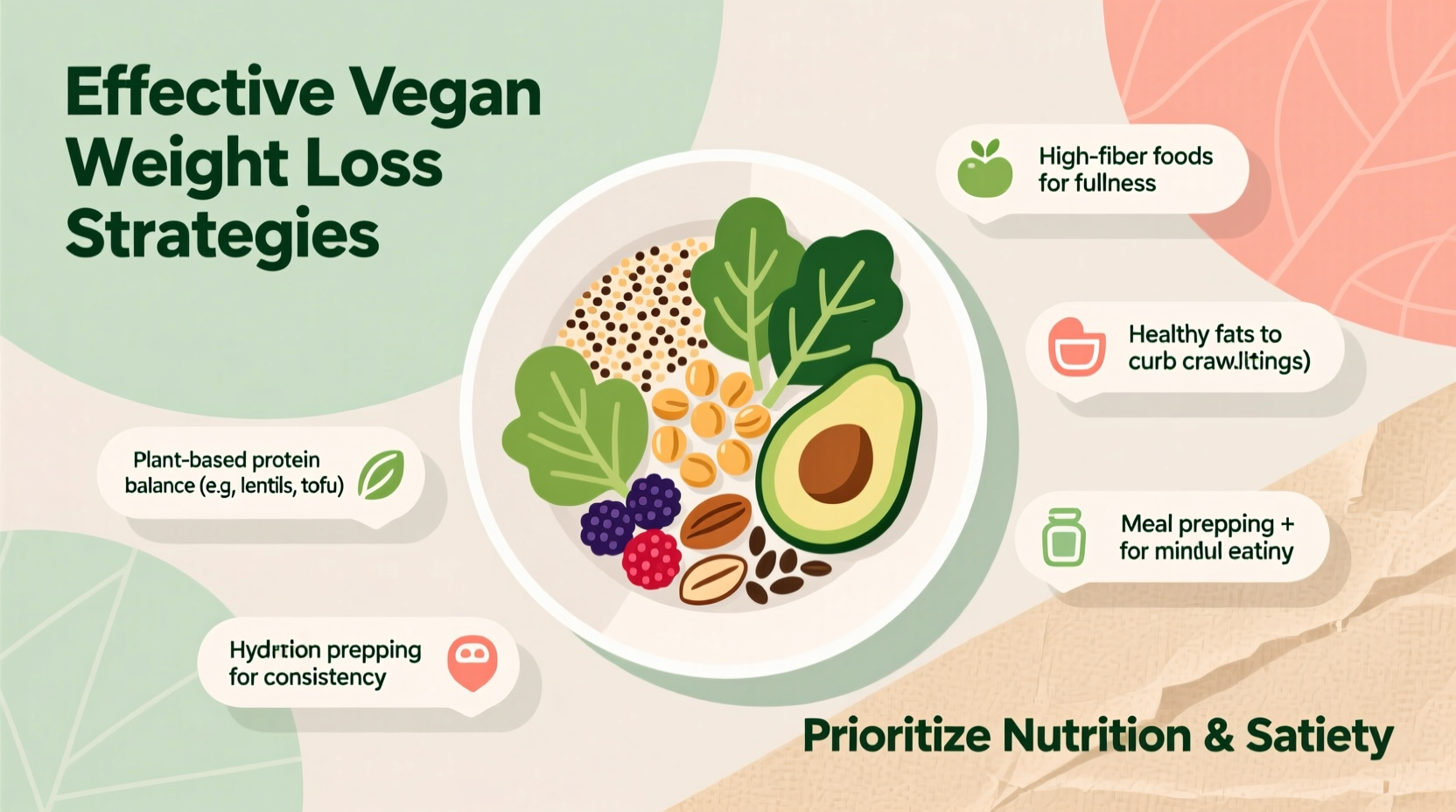
The foundation of any successful vegan weight-loss plan is food quality. Replace refined grains, sugary snacks, and packaged mock meats with whole, fiber-rich plant foods. These naturally regulate appetite, improve digestion, and stabilize blood sugar.
- Vegetables: Fill half your plate with leafy greens, cruciferous vegetables (broccoli, cauliflower), carrots, zucchini, and bell peppers.
- Fruits: Enjoy berries, apples, citrus, and pears for natural sweetness and antioxidants. Limit high-sugar fruits like bananas and mangoes if weight loss stalls.
- Whole grains: Choose oats, quinoa, brown rice, barley, and farro over white bread, pastries, or instant noodles.
- Legumes: Beans, lentils, chickpeas, and peas are rich in protein and fiber, keeping you full longer.
- Nuts and seeds: Use in moderation—chia, flax, almonds, walnuts—for healthy fats and satiety.
2. Ensure Adequate Protein Intake
Protein is essential for preserving lean muscle mass during weight loss and reducing hunger. On a vegan diet, it's crucial to include diverse protein sources at every meal.
Aim for 0.8–1.2 grams of protein per kilogram of body weight daily. For a 70 kg (154 lb) person, that’s about 56–84 grams of protein per day.
“Plant-based eaters who meet their protein needs report better satiety, improved metabolism, and less muscle loss during calorie restriction.” — Dr. Maya Patel, Registered Dietitian and Plant-Based Nutrition Specialist
Excellent vegan protein sources include:
- Lentils (18g per cup, cooked)
- Tempeh (20g per 3 oz)
- Tofu (10g per ½ cup)
- Edamame (17g per cup)
- Black beans (15g per cup)
- Seitan (25g per 3 oz)
- Chia and hemp seeds (5–7g per 2 tbsp)
3. Master Portion Control and Calorie Awareness
Even healthy vegan foods can lead to weight gain if eaten in excess. Nuts, seeds, oils, and dried fruits are nutrient-dense but also calorie-concentrated.
| Food | Serving Size | Calories | Recommended Frequency |
|---|---|---|---|
| Almonds | 1 oz (23 nuts) | 160 | Once daily max |
| Avocado | ½ medium | 120 | 1–2 times daily |
| Tahini | 1 tbsp | 90 | 1–2 times daily |
| Olive oil | 1 tbsp | 120 | Limit to 2–3 tbsp/day |
| Dried fruit (e.g., dates) | 2 medjool dates | 130 | Occasionally |
4. Follow a Sustainable Meal Framework
Instead of rigid diets, adopt a flexible structure that balances nutrients and keeps meals satisfying.
- Start with a base of non-starchy vegetables – they’re low in calories and high in volume.
- Add a serving of plant protein – aim for 15–25g per meal.
- Include a moderate portion of complex carbs – ½ cup cooked grains or starchy vegetables.
- Add 1–2 servings of healthy fats – such as avocado, seeds, or a drizzle of oil.
- Season with herbs, spices, lemon, or vinegar for flavor without extra calories.
This framework prevents nutrient gaps while creating a natural calorie deficit. For example:
Lunch Example: Large kale salad with chickpeas, cherry tomatoes, cucumber, shredded carrots, sunflower seeds, and lemon-tahini dressing, plus a side of quinoa.
5. Avoid Common Vegan Weight-Loss Pitfalls
Many people stall in their progress due to misconceptions. Here are frequent mistakes and how to overcome them:
- Relying on vegan junk food: Vegan cookies, chips, and frozen meals may be plant-based but are often high in sugar, sodium, and refined carbs.
- Neglecting vitamin B12, iron, and omega-3s: Deficiencies can cause fatigue, slowing metabolism and motivation.
- Over-restricting calories: Eating too little backfires by lowering thyroid function and increasing cravings.
- Skipping strength training: Muscle loss slows metabolism. Combine resistance exercises with cardio.
Mini Case Study: Sarah’s Sustainable Transformation
Sarah, a 34-year-old teacher, switched to a vegan diet hoping to lose 20 pounds. Initially, she replaced meat with vegan cheese, mock meats, and pasta. After three months, she’d gained 5 pounds and felt sluggish.
After consulting a nutritionist, she shifted to whole foods: oatmeal with chia and berries for breakfast, lentil soup with salad for lunch, and stir-fried tofu with broccoli and brown rice for dinner. She started tracking portions of nuts and oils and began strength training twice a week.
Within five months, Sarah lost 22 pounds, her energy improved, and her blood pressure normalized. More importantly, she kept the weight off because the changes felt sustainable.
Checklist: Your 7-Day Vegan Weight-Loss Jumpstart
Use this checklist to build momentum and establish healthy habits:
- ✅ Replace one processed meal daily with a whole-food alternative
- ✅ Include a source of plant protein in every meal
- ✅ Eat at least 3 cups of vegetables per day
- ✅ Drink 2–3 liters of water daily
- ✅ Prepare two meals in advance each weekend
- ✅ Measure high-calorie toppings (nuts, seeds, oils)
- ✅ Take a B12 supplement and consider algae-based DHA/EPA
- ✅ Walk 30 minutes daily or complete 3 strength workouts weekly
Frequently Asked Questions
Can I lose weight fast on a vegan diet?
You may lose weight quickly at first due to reduced water retention and lower calorie intake. However, sustainable fat loss averages 1–2 pounds per week. Rapid weight loss often leads to muscle loss and rebound gain.
Do I need supplements on a vegan weight-loss diet?
Yes. Vitamin B12 is essential and not reliably found in plants. Consider a daily supplement. Also, monitor vitamin D, iodine, iron, and omega-3s. Algae-based DHA supplements support brain and metabolic health.
Is intermittent fasting effective on a vegan diet?
It can be, if done carefully. Time-restricted eating (e.g., 14:10 or 16:8) may help reduce overall calorie intake. But ensure your eating window includes balanced, nutrient-rich meals to avoid deficiencies.
Conclusion: Build a Lifestyle, Not a Diet
Weight loss on a vegan diet doesn’t require deprivation or extreme rules. It thrives on consistency, balance, and respect for your body’s nutritional needs. By choosing whole foods, managing portions, staying active, and avoiding processed traps, you create a routine that supports both fat loss and long-term vitality.
💬 Ready to transform your health? Start today by swapping one processed item for a whole plant food. Share your journey in the comments—your story could inspire someone else to begin.








