
Hand, foot, and mouth disease (HFMD) is a common viral infection, primarily affecting infants and children under 5, though adults can contract it too. Caused mainly by the coxsackievirus, it manifests as painful sores in the mouth and small blister-like lesions on the hands, feet, and sometimes buttocks. While HFMD typically resolves within 7–10 days, managing symptoms effectively—especially drying out blisters safely—can reduce discomfort and prevent complications such as secondary infections. The goal isn’t to rupture blisters prematurely but to support natural drying and skin recovery using gentle, evidence-based techniques.
Understanding Blisters in Hand, Foot, and Mouth Disease
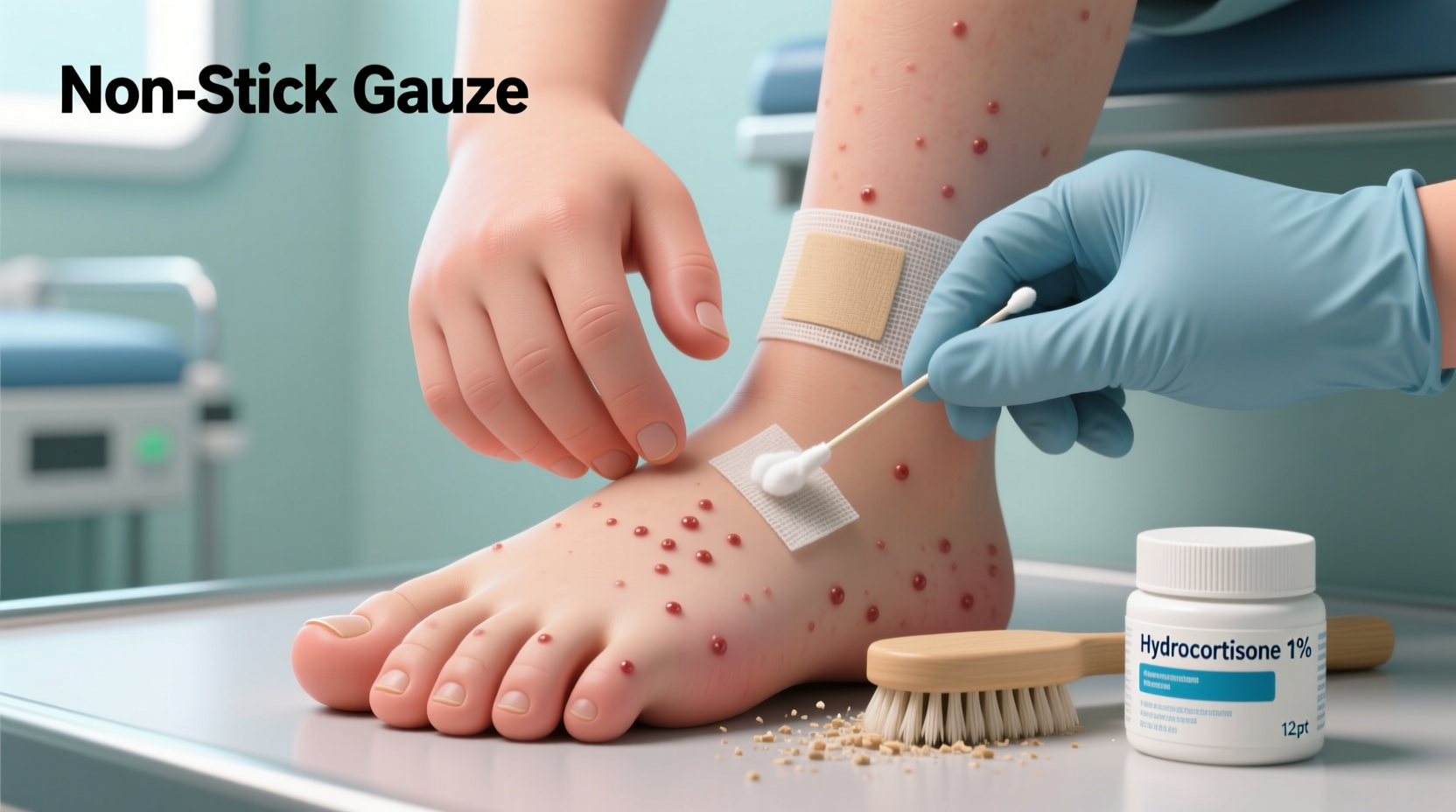
The blisters associated with HFMD are not like friction blisters; they result from viral replication in the skin’s upper layers. These lesions start as red spots, evolve into fluid-filled vesicles, and eventually crust over as the body clears the virus. Unlike bacterial infections, these blisters do not require lancing or aggressive drying agents. Instead, the focus should be on creating conditions that support natural desiccation without irritating healthy tissue.
Improper handling—such as popping blisters or using alcohol-heavy solutions—can increase pain, delay healing, and introduce bacteria. The skin surrounding the blister acts as a protective barrier. Preserving its integrity while gently promoting moisture control is key to faster recovery.
“Blisters in HFMD serve as a natural defense mechanism. Our role is to support the body’s healing process, not interfere with it.” — Dr. Lena Patel, Pediatric Infectious Disease Specialist
Safe Methods to Dry Out Blisters Without Causing Harm
Drying out blisters doesn’t mean stripping the skin of all moisture. It means reducing excess fluid buildup, preventing maceration (skin softening due to moisture), and encouraging scab formation. Below are proven, low-risk approaches:
- Air exposure: Allow affected areas to remain uncovered when possible, especially at home. Air circulation reduces humidity around the blister, speeding up evaporation of surface moisture.
- Cool compresses: Use a clean cloth dampened with cool water to gently pat the area. This soothes inflammation and removes light exudate without abrasion.
- Diluted saltwater soaks: Mix 1/2 teaspoon of non-iodized salt in 1 cup of lukewarm water. Soak hands or feet for 5–10 minutes once daily. Salt draws out excess fluid via osmosis and has mild antiseptic properties.
- Baking soda paste: Combine baking soda with a small amount of water to form a paste. Apply lightly to intact blisters and let dry for 10 minutes before rinsing. Baking soda helps neutralize pH and absorb moisture.
Step-by-Step Guide to Daily Blister Care
A consistent routine maximizes comfort and minimizes complications. Follow this timeline during the active phase of the illness:
- Day 1–3 (Onset): Blisters appear as red spots or small bumps. Begin air-drying sessions (15–20 minutes, 2x/day). Avoid tight clothing or socks. Use loose cotton garments to reduce friction.
- Day 4–6 (Peak blister stage): Lesions fill with fluid. Perform a daily saltwater soak. Pat dry—never rub. Apply a thin layer of zinc oxide cream (like diaper rash ointment) to protect unbroken skin from moisture.
- Day 7–8 (Drying phase): Blisters begin to deflate and form scabs. Continue air exposure. Do not pick at scabs. Moisturize surrounding dry skin with fragrance-free lotion.
- Day 9–10 (Healing): Scabs fall off naturally. Resume normal hygiene. Monitor for signs of infection (increased redness, pus, fever).
Do’s and Don’ts: A Quick Reference Table
| Do | Don’t |
|---|---|
| Keep blisters clean with water or saline | Puncture or pop blisters intentionally |
| Use breathable cotton clothing | Wear synthetic or tight-fitting fabrics |
| Apply cornstarch or talc-free powder to reduce moisture | Use scented powders or perfumed lotions |
| Wash hands frequently to prevent spread | Share towels, utensils, or toys during illness |
| Trim fingernails short to avoid scratching | Scratch or peel flaking skin |
Supporting Healing from the Inside: Nutrition and Hydration
External care is only part of the equation. Internal health plays a major role in how quickly blisters resolve. Dehydration worsens oral sores and thickens saliva, increasing discomfort. Encourage frequent sips of cool fluids—water, electrolyte solutions, or ice chips—to maintain hydration and soothe mouth ulcers.
Nutritionally, prioritize foods rich in vitamin C (e.g., mashed strawberries, cooked bell peppers), zinc (pumpkin seeds, lean meats), and lysine (yogurt, fish), which support immune function and tissue repair. Avoid acidic, salty, or spicy foods that can aggravate mouth sores.
Tip: Cold smoothies or popsicles made with yogurt and fruit can provide nutrients while numbing oral discomfort.Real Example: Managing HFMD in a Toddler at Home
Six-year-old Maya developed fever and mouth sores on Monday morning. By Tuesday, red spots appeared on her palms and soles. Her parents contacted their pediatrician, who confirmed HFMD. They implemented a care plan: dressing her in loose cotton clothes, soaking her hands in saltwater each evening, and applying zinc oxide to intact blisters. They avoided bandages unless necessary (e.g., when shoes were worn). By day six, the blisters had flattened and formed scabs. No secondary infection occurred, and Maya returned to school on day ten after being fever-free for 48 hours. Her recovery was smooth due to consistent, gentle care and strict hygiene practices.
When to Seek Medical Attention
While most cases resolve at home, certain symptoms warrant medical evaluation:
- High fever lasting more than 3 days
- Signs of dehydration (dry mouth, no tears, reduced urination)
- Redness spreading around blisters, pus, or increasing pain—indicating possible bacterial infection
- Lethargy, neck stiffness, or difficulty breathing (rare but serious complications)
In such cases, a healthcare provider may recommend antiseptic washes, topical antibiotics for broken skin, or further evaluation to rule out complications like viral meningitis.
Frequently Asked Questions
Can I speed up blister drying with over-the-counter medications?
Most OTC drying agents like calamine or antihistamines help with itching but don’t significantly accelerate blister resolution. Calamine can be used sparingly, but avoid products containing phenol or alcohol. Focus instead on gentle hygiene and environmental control.
Is it safe to bathe during HFMD?
Yes. Short lukewarm baths are safe and helpful for overall cleanliness. Avoid bubble baths or harsh soaps. Gently pat the skin dry—do not scrub. If blisters break, rinse with clean water and keep the area exposed to air afterward.
Will scratching cause scarring?
Scratching increases the risk of breaking the blister and introducing bacteria. While most HFMD lesions heal without scars, deep skin damage or infection can lead to temporary discoloration or pitted marks. Keeping nails short and using mittens at night (for young children) reduces this risk.
Final Checklist for Effective Blister Management
- Allow affected areas regular air exposure
- Perform daily saltwater soaks for hands or feet
- Pat skin dry—never rub
- Apply protective barriers like zinc oxide on intact blisters
- Maintain hydration and soft, non-irritating diet
- Practice strict hand hygiene to prevent transmission
- Monitor for signs of infection or dehydration
- Keep child home until fever-free for 24 hours and eating comfortably
Conclusion: Prioritize Gentle Care for Faster Recovery
Effectively drying out hand, foot, and mouth blisters isn’t about forceful intervention—it’s about supporting the body’s natural healing rhythm with thoughtful, consistent care. By combining proper hygiene, environmental adjustments, and nutritional support, you can reduce discomfort and lower the risk of complications. Remember, patience is essential; rushing the process often does more harm than good. With the right approach, most individuals recover fully without lasting effects.
💬 Have experience managing HFMD at home? Share your tips in the comments to help other families navigate this common childhood illness with confidence.








