
Cold sores are more than just a cosmetic nuisance—they can be painful, uncomfortable, and socially awkward. Once the initial blistering phase passes, a scab forms as part of the body’s natural healing process. While it may seem like the worst is over, this stage is crucial. Improper care can lead to prolonged healing, increased discomfort, or even scarring. The good news: with the right approach, you can support faster recovery and minimize irritation during the scab phase.
Understanding how to care for a cold sore scab properly makes all the difference in both healing time and comfort. This guide provides science-backed strategies, practical routines, and expert insights to help you navigate this sensitive phase with confidence.
Understanding the Cold Sore Healing Process
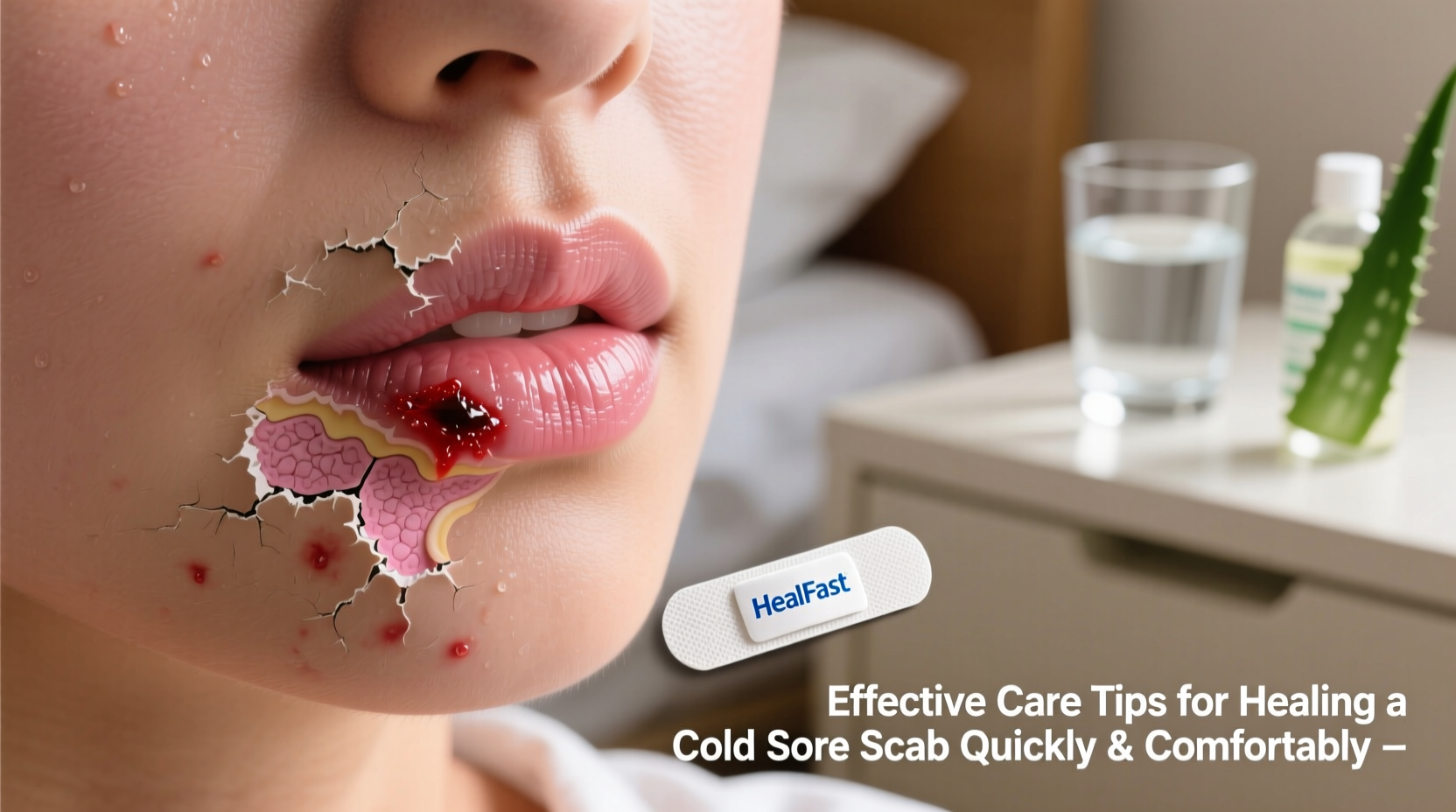
A cold sore typically progresses through five stages: tingling, blistering, weeping, scabbing, and healing. The scab forms around days 4–6, sealing the wound as new skin develops underneath. Though the scab acts as a protective barrier, it can crack, itch, or become irritated—especially if exposed to dry air, friction, or poor hygiene.
Healing times vary but generally take 7–10 days once the scab appears. Factors such as immune health, skincare habits, and external irritants influence recovery speed. Rushing the process by picking at the scab disrupts tissue regeneration and increases the risk of bacterial infection or permanent marks.
“Allowing the scab to remain intact is one of the most important steps in preventing complications and ensuring clean healing.” — Dr. Lena Torres, Dermatologist and Viral Skin Specialist
Key Care Practices for Faster Scab Healing
Proper care during the scab phase accelerates healing while minimizing discomfort. Focus on protection, moisture balance, and cleanliness.
Maintain Gentle Moisturization
While keeping the area dry is often recommended early on, once a scab forms, controlled hydration prevents cracking and bleeding. Use non-comedogenic, fragrance-free ointments like petroleum jelly or healing balms containing ceramides.
Tip: Apply a thin layer of petroleum jelly 2–3 times daily to keep the scab supple without suffocating the skin.Avoid Touching or Picking
It’s tempting to touch an itchy or tight scab, but doing so introduces bacteria and delays healing. Hands carry pathogens that can infect the compromised skin. If you must touch the area (e.g., during application), wash your hands thoroughly first and use a cotton swab.
Protect from Environmental Stressors
Sun exposure, wind, and cold air can dry out the scab and worsen inflammation. When outdoors, apply a broad-spectrum SPF 30+ lip balm or use a scarf to shield the area. Indoor heating systems also dehydrate skin—consider using a humidifier to maintain optimal moisture levels.
Do’s and Don’ts During Scab Recovery
| Do’s | Don’ts |
|---|---|
| Wash hands before applying treatments | Pick, peel, or scratch the scab |
| Use lip-safe moisturizers frequently | Apply makeup directly over the scab |
| Replace toothbrush after outbreak begins | Share utensils, towels, or lip products |
| Take lysine supplements if recurrent | Use alcohol-based cleansers near the sore |
| Support immunity with rest and nutrition | Smoke or vape, which impairs circulation |
Step-by-Step Daily Care Routine
Consistency is key. Follow this structured routine to promote optimal healing conditions each day:
- Morning: Gently cleanse the area with lukewarm water and mild soap. Pat dry with a clean towel. Apply an antiviral ointment (if prescribed) followed by a moisturizing barrier like petroleum jelly.
- Midday: Reapply moisturizer, especially after eating or drinking. Avoid acidic or salty foods that may irritate the scab.
- Evening: Cleanse again if residue has built up. Consider using a healing ointment with ingredients like zinc oxide or aloe vera. If experiencing itching, apply a cool compress for 5 minutes.
- Night: Re-moisturize before bed. Keep bedding clean and change pillowcases every 1–2 days to reduce contamination risk.
Supporting Healing from Within
Topical care alone isn’t enough. Internal factors play a major role in recovery speed. Herpes simplex virus (HSV-1), which causes cold sores, thrives when immunity dips due to stress, fatigue, or nutrient deficiencies.
- Vitamin C and Zinc: Both support immune function and skin repair. Found in citrus, bell peppers, pumpkin seeds, and legumes.
- Lysine: An amino acid shown in studies to help suppress viral replication. Foods rich in lysine include fish, eggs, and dairy. Some people take 1,000 mg daily during outbreaks.
- Hydration: Drink plenty of water to maintain mucosal integrity and flush toxins.
- Sleep: Aim for 7–9 hours per night. Deep sleep enhances immune surveillance and tissue regeneration.
“Patients who prioritize sleep and nutrition during an outbreak resolve their sores significantly faster than those who don’t.” — Dr. Rajiv Mehta, Immunology Researcher
Mini Case Study: Recovering from a Stubborn Scab
Sarah, a 32-year-old teacher, developed a cold sore before parent-teacher conferences. By day six, a thick scab had formed, but it cracked every morning, causing bleeding and discomfort. She began washing her hands before touching her face, switched to a cotton swab for ointment application, and applied petroleum jelly hourly during waking hours. She also started taking a daily lysine supplement and upgraded her pillowcase to antimicrobial fabric.
Within 48 hours, the cracking stopped. The scab softened and naturally detached by day nine—with no scarring. Sarah credits her disciplined routine and internal support for the quick resolution, despite high stress levels.
Frequently Asked Questions
How long does a cold sore scab usually last?
Most scabs last between 7 to 10 days. Full healing, including underlying skin regeneration, may take up to two weeks. Factors like immune status, skincare, and whether the scab was disturbed affect duration.
Can I wear lipstick or lip balm over the scab?
It’s best to avoid regular lipstick, which may contain irritants or preservatives. However, non-tinted, hypoallergenic lip balms or medical-grade ointments (like petrolatum) are safe and beneficial. Always use a clean applicator.
What if the scab becomes swollen, painful, or oozes pus?
This may indicate a secondary bacterial infection. Signs include increased redness, warmth, swelling, or yellow/green discharge. In such cases, consult a healthcare provider promptly. You may need topical or oral antibiotics.
Final Checklist for Optimal Scab Care
- Daily Hygiene & Protection
- ✅ Wash hands before touching the area
- ✅ Use a clean cotton swab for product application
- ✅ Replace your toothbrush after the outbreak starts
- Moisture & Comfort
- ✅ Apply petroleum jelly 2–4 times daily
- ✅ Avoid salty, spicy, or acidic foods
- ✅ Use a humidifier in dry environments
- Lifestyle Support
- ✅ Get 7+ hours of sleep
- ✅ Stay hydrated and eat nutrient-dense meals
- ✅ Consider lysine or zinc supplements
- When to Seek Help
- ✅ See a doctor if healing exceeds 14 days
- ✅ Consult if signs of infection appear
- ✅ Talk to a dermatologist for frequent recurrences
Conclusion: Heal Smarter, Not Harder
Healing a cold sore scab doesn’t require miracle cures—just consistent, informed care. By protecting the scab, supporting your immune system, and avoiding common pitfalls, you create the ideal environment for rapid and comfortable recovery. Remember, patience is part of the process. Let nature do its work, and give your body the tools it needs to succeed.
💬 Have a tip that helped you heal faster? Share your experience in the comments—your insight could help someone else find relief sooner.








