Every morning, millions of people reach for a glass of warm lemon water before their coffee or breakfast. Advocates claim it kickstarts metabolism, flushes out toxins, improves digestion, and even clears skin. But how much of this is science—and how much is wellness folklore? As a registered nutritionist, I’ve been asked this question more times than I can count: Does lemon water actually detox your body? The short answer: not in the way most people think. Let’s separate fact from fiction.
The Detox Myth Behind Lemon Water
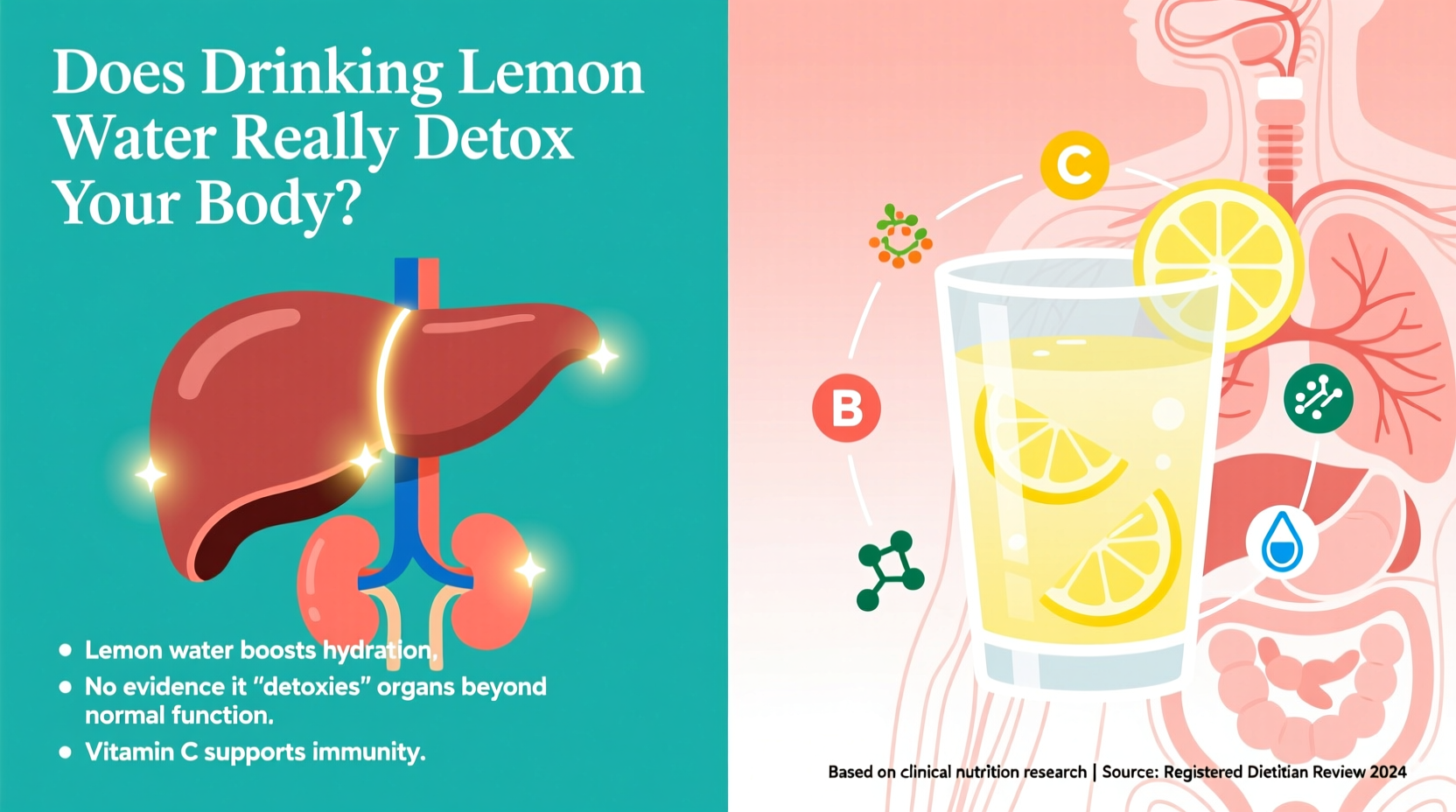
The idea that lemon water “detoxifies” the body stems from a fundamental misunderstanding of human physiology. Your body doesn’t need external help to detox—your liver, kidneys, lungs, and skin are already doing that 24/7. These organs work continuously to filter waste, neutralize harmful substances, and eliminate them through urine, sweat, breath, and bowel movements.
When marketers and influencers say lemon water “cleanses” your system, they’re often using emotional language rather than scientific accuracy. There’s no clinical evidence that lemon juice enhances the liver’s natural detoxification pathways beyond what they already do efficiently on their own.
“Detoxing isn’t something you do—it’s something your body does automatically. No single food or drink overrides that process.” — Dr. Lena Patel, Registered Nutritionist and Clinical Dietitian
That said, while lemon water doesn’t directly “detox,” it may support overall health in indirect ways that make you *feel* cleaner, lighter, or more energized—especially if it replaces sugary drinks like soda or juice.
What Lemon Water Actually Does (and Doesn’t Do)
Lemons are rich in vitamin C, citric acid, and antioxidants like flavonoids. When diluted in water, these compounds contribute subtle physiological effects—but none amount to a medical-grade detox.
Benefits Backed by Science
- Vitamin C boost: One lemon provides about 30–50 mg of vitamin C, supporting immune function and collagen synthesis.
- Digestive stimulation: The acidity of lemon juice may mildly stimulate gastric acid production, potentially aiding digestion in some individuals.
- Hydration support: Adding flavor to water encourages higher fluid intake, which supports kidney function and overall hydration.
- Kidney stone prevention: Citrate in lemons binds with calcium in urine, reducing the risk of calcium oxalate stone formation—a well-documented benefit.
Common Myths Debunked
Tip: Don't expect lemon water to \"alkalize\" your blood—it can't. Your body tightly regulates pH regardless of diet.- Myth: Lemon water alkalizes the body and prevents disease.
Truth: While lemon juice is acidic, it has an alkaline ash after metabolism. However, this doesn’t change your blood pH, which remains stable between 7.35 and 7.45 regardless of food intake. - Myth: It burns fat or boosts metabolism significantly.
Truth: Any metabolic effect is negligible. Weight loss linked to lemon water usually results from replacing high-calorie beverages. - Myth: It removes heavy metals or environmental toxins.
Truth: No evidence supports this. Chelation therapy—not lemon water—is used medically for toxin removal.
How Lemon Water Fits Into a Healthy Routine
While lemon water won’t detox you, it can be a valuable part of a healthy lifestyle—if consumed wisely. Many people find that starting the day with warm lemon water establishes a mindful morning ritual, promotes hydration, and gently signals the digestive tract to prepare for food.
Real Example: Sarah’s Morning Shift
Sarah, a 38-year-old teacher, used to start her day with a large sweetened iced tea. After reading about hydration and energy crashes, she swapped it for warm lemon water. Within two weeks, she noticed fewer mid-morning headaches and less bloating. Was the lemon water “detoxing” her? Not literally. But by cutting out 25 grams of added sugar daily and increasing her water intake, she improved insulin stability and gut motility—two factors that influence how “clean” someone feels.
This illustrates a key point: context matters. Lemon water isn’t magical, but it can act as a gateway to better habits.
Best Practices for Drinking Lemon Water
If you enjoy lemon water, here’s how to maximize benefits while minimizing risks:
- Use fresh lemon juice, not bottled. Freshly squeezed contains active vitamin C and phytonutrients; processed versions often have preservatives and reduced potency.
- Dilute properly. One wedge or half a lemon per 8–12 oz of water is sufficient. Too much acid can erode tooth enamel over time.
- Avoid brushing immediately after. Acid softens enamel. Wait at least 30 minutes before brushing to prevent abrasion.
- Drink it warm, not scalding. Excessively hot water may degrade nutrients and irritate the esophagus.
- Listen to your body. If you experience heartburn or acid reflux, reduce frequency or skip it altogether.
| Do | Don’t |
|---|---|
| Drink with a straw to protect teeth | Sip lemon water throughout the day without rinsing |
| Rinse mouth with plain water afterward | Use undiluted lemon juice directly on teeth |
| Pair with a balanced breakfast | Replace meals with lemon water fasts |
| Enjoy consistently as part of hydration | Expect rapid weight loss or detox symptoms |
Frequently Asked Questions
Can lemon water damage my teeth?
Yes, if consumed excessively or improperly. Lemon juice has a pH of around 2–3, making it highly acidic. Over time, frequent exposure can lead to enamel erosion, especially if you sip it slowly or don’t rinse afterward. To minimize risk, drink it quickly, use a straw, and rinse your mouth with plain water immediately after.
Is warm lemon water better than cold?
There’s no strong evidence that temperature affects the nutritional value significantly. Some people prefer warm water because it feels soothing and may aid digestion slightly more than cold water. Ultimately, choose the temperature you enjoy—consistency matters more than heat.
Should I add honey or maple syrup?
Many wellness trends promote “lemon-honey water” as a supercharged tonic. While honey has antimicrobial properties and can soothe a sore throat, it also adds sugar. One tablespoon contains about 17 grams of sugar. If you’re managing blood sugar or trying to reduce added sugars, skip the sweetener. Plain lemon water delivers the same hydration benefits without the glycemic load.
Action Checklist: How to Use Lemon Water Wisely
- ✅ Start with one glass per day, preferably in the morning
- ✅ Squeeze half a fresh lemon into 8–12 oz of warm water
- ✅ Use a reusable straw to reduce tooth contact
- ✅ Rinse your mouth with plain water afterward
- ✅ Wait 30 minutes before brushing teeth
- ✅ Pair with a nutritious breakfast to avoid acid on empty stomach
- ✅ Monitor for reflux or dental sensitivity and adjust accordingly
What Real Detox Looks Like
If you're genuinely interested in supporting your body’s natural detox systems, focus on long-term lifestyle choices—not quick fixes. True detoxification support means giving your organs the tools they need to function optimally:
- Eat plenty of fiber-rich vegetables, fruits, legumes, and whole grains to support gut health and regular elimination.
- Stay consistently hydrated to help kidneys filter waste efficiently.
- Limit alcohol and ultra-processed foods, which increase the liver’s workload.
- Get quality sleep—liver regeneration peaks during deep rest.
- Exercise regularly to enhance circulation and lymphatic drainage.
These actions have measurable impacts on how your body processes and eliminates waste. Unlike trendy lemon water cleanses, they’re sustainable, scientifically supported, and beneficial across multiple systems.
Conclusion: Hydrate, Don’t Hype
So, does drinking lemon water really detox your body? Based on current nutritional science—the answer is no. Your liver and kidneys don’t require lemon juice to perform their jobs. However, lemon water can be a refreshing, low-calorie way to increase hydration, provide a dose of vitamin C, and replace less healthy morning beverages.
The real power of lemon water lies not in mythical cleansing properties, but in its ability to anchor healthier routines. When used mindfully, it can become a small yet meaningful step toward better hydration, improved digestion, and reduced sugar intake. Just remember: no single drink will purify your body. Long-term wellness comes from consistent choices—not viral wellness trends.
💬 Have you tried lemon water regularly? What changes did you notice—or not notice? Share your experience in the comments and help others navigate the hype with honesty and clarity.








